Asian Street Food Concepts Redefining Fast Casual Economics and Menu Strategy
As fast casual diners seek bold regional flavors, Asian street food concepts are reshaping hospitality economics and restaurant launch strategies.
By Foodie Pundit Newsroom - Published - Updated - Section: Restaurants
Key points
- Fast casual Asian street food concepts are capturing market share due to lower overhead and high menu flexibility.
- Portability and high-margin beverage pairings make street food models exceptionally resilient in off-premises dining formats.
- Broadline distributors are expanding specialty ingredient access, allowing operators to scale authentic regional menus smoothly.
GLOBAL CULINARY DEMAND SWELLS FOR ACCESSIBLE DIVERSIONS
Street food markets across North America and Europe are experiencing an unprecedented surge in consumer demand for Asian culinary concepts. Traditional brick and mortar operators are adjusting their menus to keep pace with agile pop-ups and food truck vendors. According to market research highlighted by Assurup, fast casual concepts centered on regional Asian specialties have seen significant foot traffic gains compared to traditional casual dining establishments.
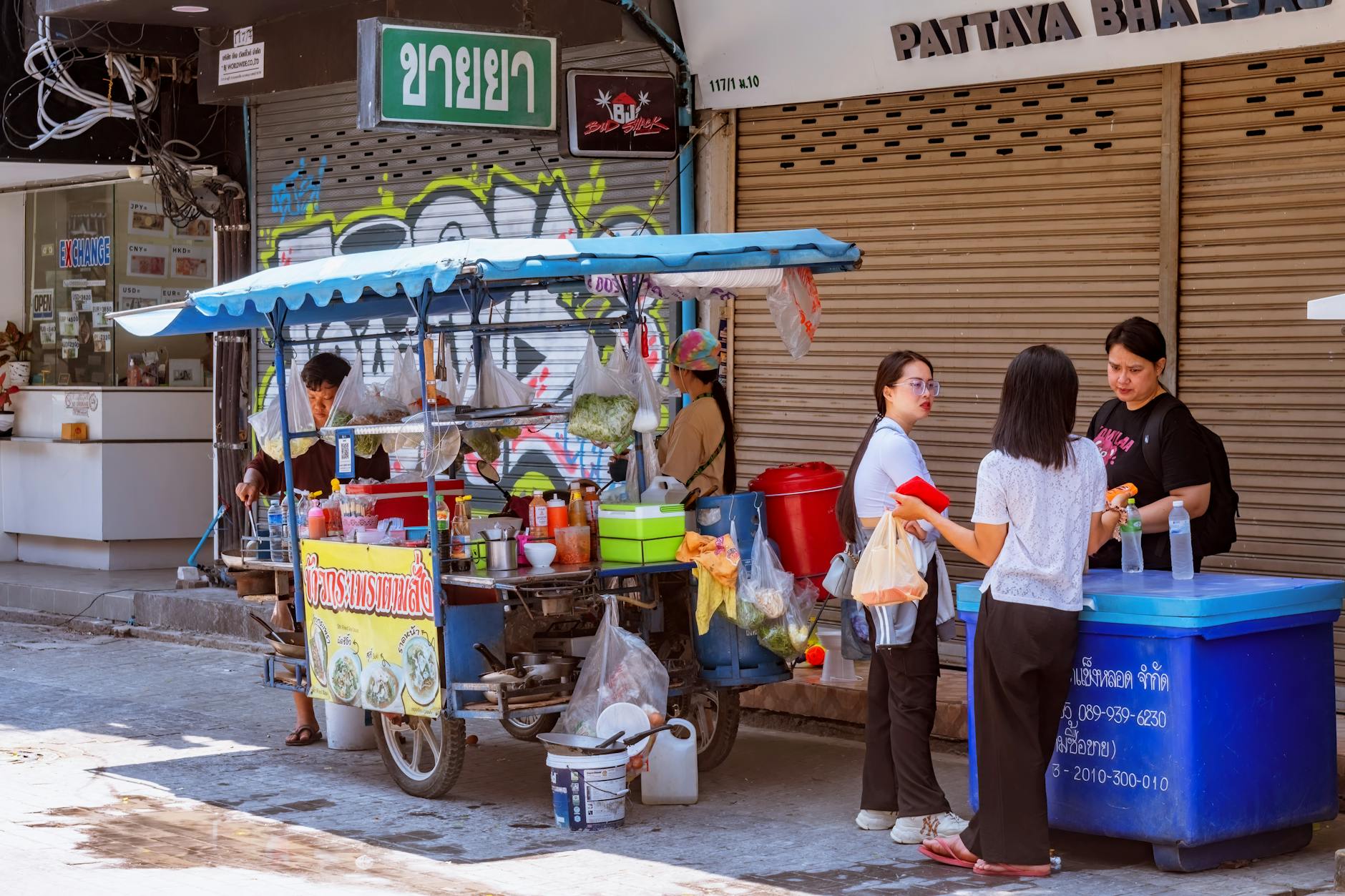
Consumers are increasingly seeking authentic, highly visual, and portable dining options that deliver rich flavor profiles at accessible price points. This shift is driven largely by younger demographics who prioritize novel dining experiences and social sharing. Consequently, menu developers are racing to incorporate items like Taiwanese fried chicken, Filipino skewered meats, and regional noodle dishes into their core offerings.
The economics of street food operation present a distinct advantage in today's inflationary environment. Lower real estate footprints and streamlined kitchen setups allow operators to maintain healthier margins while keeping consumer prices competitive. As labor and ingredient costs remain volatile, the simplified operational model of street food vendor concepts offers a compelling hedge for hospitality entrepreneurs.
Several key factors converge to fuel the explosive growth of Asian street food across Western markets. First, the global popularity of Asian media, music, and digital content has elevated cultural familiarity with regional dishes. Diners no longer require simplified adaptations of classic dishes, preferring instead the uncompromising spice profiles and traditional textures found in night markets across Seoul, Bangkok, and Taipei.
Second, the structural design of these dishes inherently suits the booming off-premises dining sector. Portability is built into the historical DNA of street food, making these items ideal for takeout, delivery, and casual outdoor consumption. Operators do not need to re-engineer their packaging or recipes to ensure the food arrives in optimal condition, giving them an immediate edge over complex dine-in concepts.
Third, ingredient crossover allows smart operators to maintain tight inventory controls while delivering vast flavor variety. Common staples such as scallions, garlic, soy sauces, sesame oil, and rice flour form the backbone of dozens of distinct menu items. By masterfully combining these core inputs with varied proteins and regional spice blends, kitchens achieve high operational efficiency without inducing menu fatigue among regular customers.
REVENUE MODELS AND OPERATIONAL FLEXIBILITY
For hospitality groups looking to scale, Asian street food models provide flexible entry points that reduce initial capital expenditures. Ghost kitchens, food halls, and mobile carts allow brands to test specific regional concepts with minimal overhead before committing to long term commercial leases. Assurup notes that risk mitigation strategies are top of mind for new operators navigating current market uncertainty.
The micro-restaurant format also allows for rapid menu iteration based on real time sales data and seasonal ingredient availability. If a specific regional dish gains sudden traction on social platforms, agile street food kitchens can source ingredients and deploy the item within days. Traditional full service restaurants often require months of supply chain planning and menu printing to execute similar pivots.
Furthermore, beverage program integration has proven to be a lucrative margin driver for these concepts. Specialty boba teas, fruit slushes, and imported regional beers pair naturally with savory, spiced street foods. These high margin beverage additions significantly boost the average check size without placing additional strain on hot line kitchen staff during peak rush hours.
SUPPLY CHAIN ADJUSTMENTS AND INGREDIENT SOURCING
As demand scales from niche street stalls to mainstream food halls, supply chains are adapting to meet the need for specialized ingredients. Mainstream broadline distributors are expanding their ethnic food portfolios, granting smaller operators access to specialty pastes, marinades, and proprietary flours. This improved access reduces the procurement friction that historically limited authentic Asian cooking styles in mid-sized commercial markets.
However, supply chain volatility remains a persistent challenge for operators relying on imported specialty goods. Smart operators are building relationships with domestic producers who can supply fresh produce like Asian greens, specialty mushrooms, and custom meat cuts locally. Balancing authentic imported condiments with locally sourced perishables creates a resilient supply framework that protects margins during global shipping disruptions.
Standardization of prep work has also enabled these concepts to flourish despite ongoing industry labor shortages. Centralized prep kitchens or prep-heavy morning shifts allow line cooks to execute fast, high volume service during peak hours with minimal specialized culinary training. Speed of service remains a primary metric of success, with top operators aiming for order-to-hand times under five minutes.
For independent restaurant owners and culinary entrepreneurs, the rise of Asian street food offers a proven blueprint for driving volume in a cautious consumer market. Incorporating portable, high flavor dishes into existing menus can attract younger demographics without requiring a total concept overhaul. Embracing streamlined prep routines and highly specialized micro-menus can help protect your bottom line against rising overhead costs.
For consumers and diners, this ongoing trend promises continued access to diverse, high quality regional cuisines at reasonable price points. As competition intensifies among food hall vendors and fast casual operators, expect higher standards of culinary authenticity, faster service, and more creative cross-cultural flavor combinations in your local dining scene. Staying attuned to these fast moving trends ensures you never miss out on the next major culinary movement.
Sources and methodology
Reported from the public datasets below.
More from the Foodie Pundit Newsroom
- How Asian Street Food Economics Are Reshaping the Fast Casual Landscape
- Borough Market Announces Major Redevelopment Plan Featuring New Dining Concepts
- Chicken Salad Chick Sets June 9 Grand Opening in Pleasant Grove
- Japanese Milk Bread Becomes Latest Social Media Trend to Reshape UK Bakery Sector
- Legacy Italian Restaurants Face Industry Headwinds as Operational Costs Soar