Asian Street Food Formats Redefine Restaurant Economics as Consumer Demand Soars
Rising consumer demand for fast-casual Asian street food formats is restructuring restaurant economics and driving investment across the food service industry.
By Foodie Pundit Newsroom - Published - Updated - Section: Restaurants
Key points
- Asian street food formats offer superior unit economics through small footprints, low labor requirements, and high cross-utilization of ingredients.
- Assurup data indicates fast-casual street food concepts are outperforming traditional casual dining categories in consumer demand.
- Supply chain advances have simplified regional expansion by making specialty ingredients widely available through major national distributors.
- High-flavor profiles and strong value propositions make these items particularly resilient in off-premise and delivery channels.
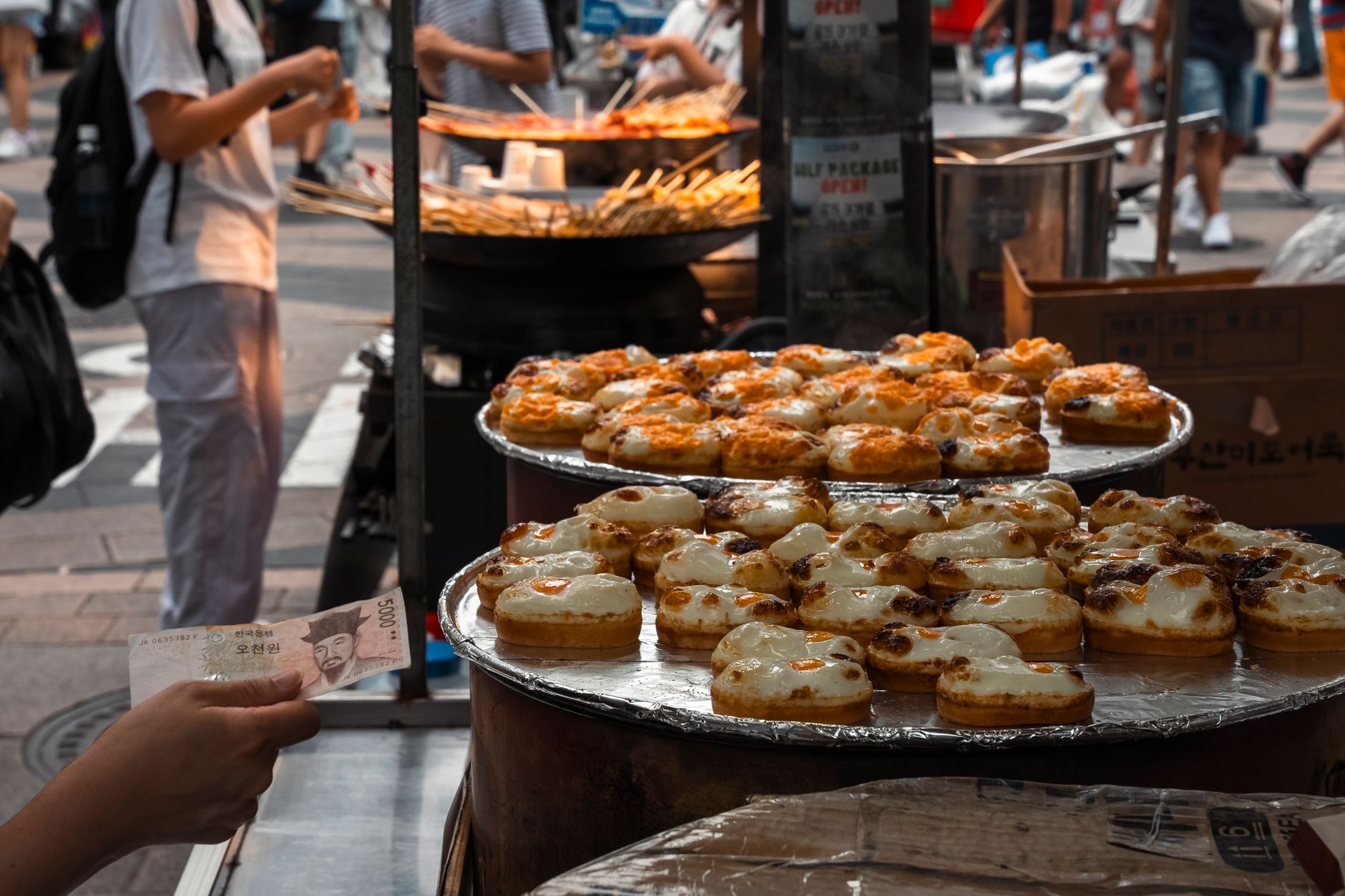
The global restaurant industry is undergoing a profound structural shift driven by the rapid commercialization of Asian street food formats. What was once considered a niche segment within Western casual dining has matured into a primary engine of revenue growth for independent operators and corporate food groups alike. According to recent market analysis from industry research group Assurup, consumer demand for authentic, fast-casual Asian street concepts has outpaced traditional casual dining categories by a wide margin over the past four quarters.
This surge is not merely a transient social media phenomenon, though viral digital content has played an undeniable role in accelerating consumer awareness. Instead, it reflects fundamental changes in consumer dining preferences, operator unit economics, and labor models. As margins across the hospitality sector face pressure from rising real estate overhead and persistent wage inflation, the lean operating structure of street food formats offers an attractive path to profitability.
operational efficiencies inherent in street food preparation permit significantly higher throughput than traditional kitchen setups. Smaller physical footprints reduce commercial lease liabilities, while streamlined menus focused on specialized items minimize food waste and lower inventory carrying costs. Consequently, capital is flowing rapidly into concepts that can scale these street level operational efficiencies into standardized, multi-unit regional brands.
SHIFTING CONSUMER DEMOGRAPHICS AND SPENDING PATTERNS
The demographic driving this category growth consists predominantly of younger consumers who prioritize flavor diversity, speed, and value over traditional full-service dining amenities. Assurup notes that diners under forty show a marked preference for experiential, high-flavor profiles that street food formats naturally deliver. Dishes featuring Korean fried chicken, Taiwanese night market snacks, Japanese takoyaki, and Southeast Asian skewers offer complex taste profiles that consumers find difficult to replicate at home.
Furthermore, economic pressures on household discretionary spending have altered how diners evaluate value. High end casual dining with full table service has become increasingly cost-prohibitive for regular weeknight meals. Asian street food concepts occupy a strategic sweet spot, offering fast turnaround times and lower price points while maintaining a perception of culinary authenticity and high quality ingredients.
This value proposition extends seamlessly into the off-premise channel, which remains a critical revenue driver for modern restaurant operations. Unlike delicate fine dining items, many street food staples are inherently durable and well-suited for delivery and takeout packaging. Skewers, steamed buns, and fried proteins maintain their texture and temperature over longer transport windows, reducing customer friction and refund rates on third-party delivery platforms.
SUPPLY CHAIN INNOVATION AND MENU MODULARITY
Behind the consumer-facing popularity of these concepts lies a sophisticated evolution in supply chain logistics and menu design. Historically, operators faced challenges sourcing specialized Asian ingredients at scale, which restricted menu expansion to major metropolitan centers with specialized wholesale distribution networks. Today, national broadline distributors have integrated key Asian sauces, aromatics, and specialty proteins into their standard inventory, drastically lowering the barrier to entry for regional operators.
Menu modularity is another crucial factor driving high unit margins in this segment. Successful operators build extensive menus around a limited number of core cross-utilized prep ingredients. A single master sauce or marinated protein base can anchor multiple menu items, including rice bowls, noodle dishes, steamed buns, and handheld wraps. This cross-utilization simplifies kitchen line preparation, reduces training friction for new line cooks, and keeps raw ingredient waste well below traditional industry benchmarks.
Assurup highlights that this operational simplicity directly addresses the persistent labor shortages affecting the food service sector. Traditional kitchens often require highly specialized culinary staff to execute complex menus. In contrast, street food formats rely on standardized assembly processes and specialized cooking equipment, such as commercial deep fryers and high-efficiency griddles, allowing operators to run service with lower overall labor hours per dollar of gross sales.
The visual nature of Asian street food has created an unprecedented feedback loop between menu development and organic digital marketing. Dishes characterized by dramatic textures, vivid colors, and interactive dining elements naturally perform exceptionally well on modern visual communication platforms. Items like cheese pull corn dogs, sizzling skewers, and freshly steamed dim sum function as self-generating promotional assets for operators.
This dynamic drastically reduces customer acquisition costs for new restaurant launches. Rather than relying on traditional paid advertising campaigns, operators can leverage the aesthetic appeal of their menu items to build organic foot traffic. However, market analysts warn that visual appeal alone is insufficient to sustain long term customer retention. Initial visual curiosity must be backed by consistent food quality, operational speed, and competitive pricing to build lasting brand equity.
As the segment matures, larger restaurant conglomerates are taking notice and acquiring emerging concepts to diversify their portfolios. Equity firms are actively seeking scalable fast-casual street food concepts that demonstrate strong unit economics and broad geographic appeal beyond primary coastal markets. This institutional investment is accelerating the professionalization of the sector, bringing sophisticated real estate selection strategies and corporate supply chain discipline to previously regional operations.
For consumers, the expansion of Asian street food concepts means broader access to diverse, high-quality culinary options at accessible price points. You can expect to see more fast-casual formats opening in suburban commercial centers and non-traditional locations such as airports and university campuses, providing convenient alternatives to standard fast-food offerings.
For restaurant operators and entrepreneurs, this market shift highlights the necessity of adopting lean operational models that prioritize kitchen efficiency and menu cross-utilization. Incorporating high margin, durable street food formats can enhance off-premise sales and help shield business margins against rising labor and occupancy costs. Observing these trends provides valuable insight into how modern dining preferences continue to reshape the broader commercial food landscape.
Sources and methodology
Reported from the public datasets below.
More from the Foodie Pundit Newsroom
- How Viral Digital Culture Is Rewiring Restaurant Industry Economics
- How Viral Social Media Desserts Drive Real World Restaurant Revenue
- July Grocery Costs Hit Three Year High as Food Inflation Reaccelerates
- Street Vendors Leverage Video Algorithms To Fuel Physical Lines and Brand Equity
- Asian Street Food Models Redefine Restaurant Industry Overhead and Efficiency