Asian Street Food Formats Reshape Fast Casual Economics as Operators Chase Micro Footprints
High velocity menu concepts and micro footprints are redefining fast casual margins across the restaurant industry.
By Foodie Pundit Newsroom - Published - Updated - Section: Restaurants
Key points
- Asian street food concepts offer higher sales per square foot through optimized micro footprints and streamlined kitchen operations.
- Viral social media discovery has compressed the traditional adoption curve for regional international dishes.
- Modular kitchen systems allow operators to integrate high margin street food items without disrupting core workflows.
- Commercial real estate developers are prioritizing street food vendors as high traffic anchor tenants in modern developments.
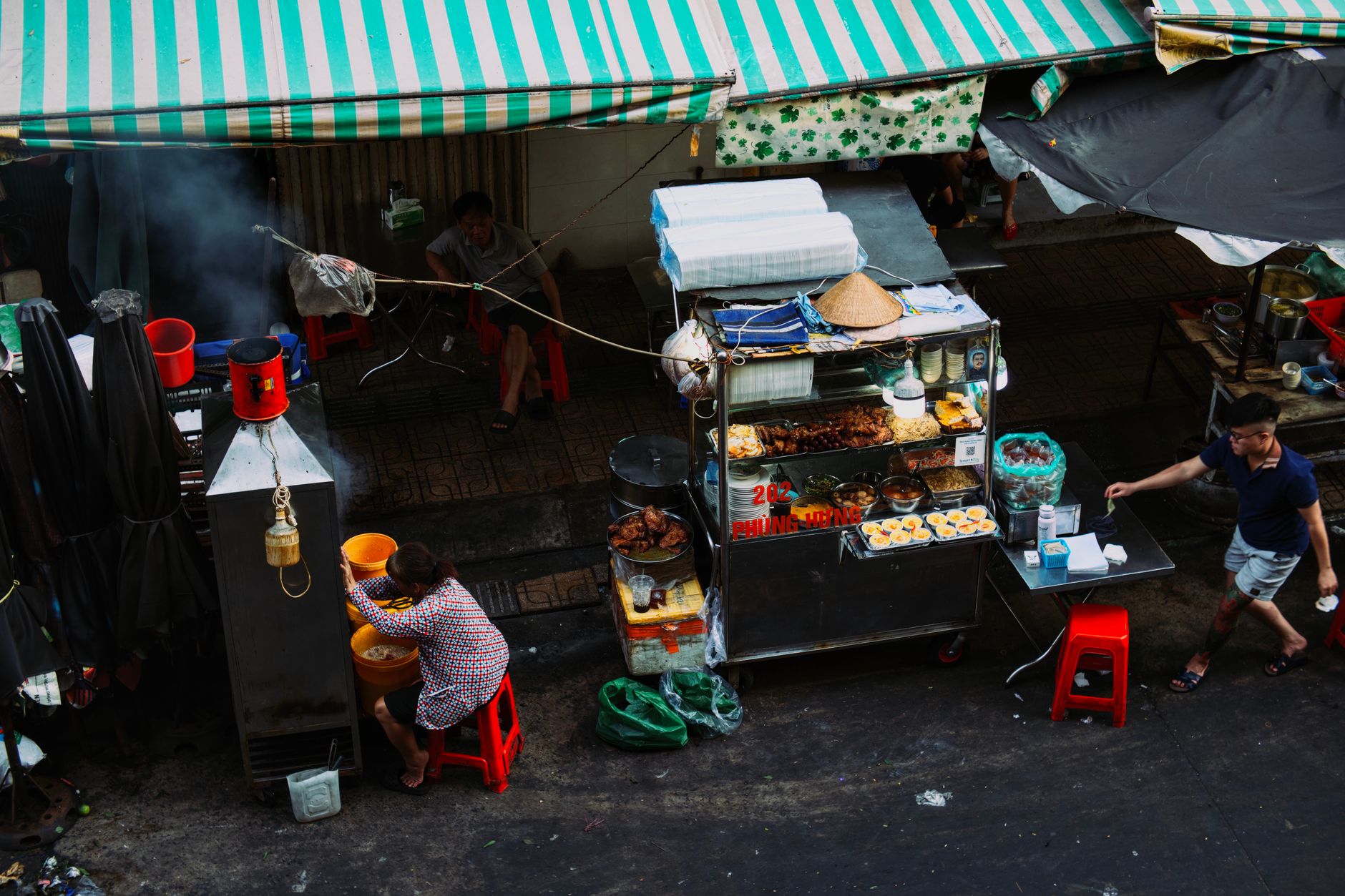
The global restaurant industry is witnessing a structural shift as Asian street food concepts transition from temporary night markets into permanent retail real estate. Restaurant operators who once relied on standard brick and mortar menus are now actively pivoting toward high velocity street food formats. Data from recent industry analyses published by Assurup indicates that consumer demand for regional Asian street foods has outpaced traditional casual dining growth over the last four quarters. Driven by viral social media exposure and shifting demographic preferences, these vibrant culinary traditions are quickly reframing the fast casual category.
This rapid expansion is powered primarily by a surge in demand for authentic regional flavors that offer immediate, visually compelling appeal. Menu items such as Taiwanese fried chicken, Korean corndogs, Japanese takoyaki, and Filipino skewers are leading the charge. Operators report that these products deliver high gross margins alongside streamlined operational footprints. By narrowing menu focus to specialized items that can be produced rapidly, businesses can significantly reduce labor overhead while maintaining high throughput during peak dining hours.
OPERATIONAL ADVANTAGES OF HIGH VELOCITY FORMATS
The economic structure of Asian street food stalls and micro storefronts presents an attractive proposition for commercial operators. Traditional restaurant formats require extensive kitchen space, heavy ventilation infrastructure, and large service teams. Street food concepts, by contrast, thrive on limited square footage and specialized equipment tailored to specific preparation methods. Assurup highlights that this minimized capital expenditure allows new brands to reach profitability faster than full service dining establishments.
Furthermore, ingredient cross utilization in these concept kitchens helps insulate operators from current supply chain volatility. By relying on versatile staples such as rice, noodles, starches, and standardized protein cuts, kitchen teams can pivot quickly when commodity prices fluctuate. The focus shifts away from expensive, primary protein cuts toward complex spice blends, house made sauces, and unique textures. This flavor forward approach ensures high perceived value for consumers without burdening the restaurant with exorbitant food costs.
Social media platforms have fundamentally altered how consumers discover and evaluate new restaurant concepts. Asian street food benefits disproportionately from this digital environment due to its distinctive visual and tactile characteristics. Cheese pulls, sizzling griddles, and intricate garnishes perform exceptionally well across video sharing networks. This organic promotion generates massive local awareness without requiring traditional, high cost marketing budgets from small business owners.
The virality of these items has also compressed the typical culinary adoption curve. Historically, novel international dishes took years to move from coastal food hubs into suburban shopping centers. Today, a viral dish can generate national consumer demand in a matter of weeks. Assurup notes that successful operators are those who maintain modular kitchen systems capable of integrating trending menu items rapidly without disrupting core kitchen workflows.
ADAPTATION STRATEGIES FOR TRADITIONAL OPERATORS
For existing restaurant owners seeking to capture this growth, integrating street food elements does not necessarily require a complete concept overhaul. Many operators are introducing dedicated street food sections to their existing menus or launching virtual brands out of current kitchen facilities. This hybrid strategy allows businesses to test localized consumer appetite before committing to capital intensive real estate expansions.
Portability is another critical driver behind the rise of these dining options. As off premises dining and delivery orders continue to represent a massive share of total industry revenue, street food is inherently engineered for transport. Specialized packaging solutions have evolved to keep fried goods crispy and hot items separated during transit. Concepts that master packaging integrity consistently secure higher customer retention rates across major delivery apps.
Commercial landlords are taking notice of these shifting consumer habits and actively adjusting tenant acquisition strategies. Shopping centers, transit hubs, and urban food halls are increasingly prioritizing street food vendors to drive foot traffic. These micro tenants generate higher sales per square foot compared to traditional retail brands, making them anchor tenants for modern development projects.
Investment capital is following this operational momentum as well. Private equity groups and restaurant conglomerates are actively funding micro footprint chains with strong unit economics. By standardizing training programs and supply logistics, early stage street food brands are scaling from single location stalls to multi unit regional chains in record time. The scalable nature of these limited service models reduces investment risk while offering rapid expansion capabilities.
For independent operators and culinary entrepreneurs, the rise of Asian street food highlights the necessity of operational agility in today's food market. You do not need an expansive dining room or a massive culinary lineup to achieve strong sales volume. Prioritizing specialized, high margin dishes with strong visual appeal can help you stand out in a crowded market while protecting your bottom line against rising labor and ingredient costs.
For consumers, this trend means unprecedented access to diverse, high quality regional dishes at accessible price points. As operators refine their logistics and expand into suburban markets, unique dining options will continue to replace generic fast casual alternatives. Staying informed on these menu shifts allows both diners and industry professionals to participate in the evolving global food landscape.
Sources and methodology
Reported from the public datasets below.
More from the Foodie Pundit Newsroom
- Fast Food Titans Clash Over Drive-Thru Efficiency and Unit Revenue
- Restaurant Brands Accelerate Flavor Innovation To Meet Shifting Consumer Demand
- The Snack Board Revolution Redefines Modern Dinner Routines
- How Emerging Digital Food Trends Are Reshaping Restaurant Economics and Supply Chains
- culinary forecasts reveal the top home cooking trends driving kitchen habits next year