Asian Street Food Models Redefine Restaurant Industry Overhead and Efficiency
Asian street food concepts are expanding rapidly as operators leverage streamlined menus, lower overhead, and strong visual appeal to capture market share.
By Foodie Pundit Newsroom - Published - Updated - Section: Restaurants
Key points
- Asian street food concepts offer high kitchen throughput with lower operational overhead and smaller real estate footprints.
- Modern distribution networks have made specialized regional ingredients widely accessible for scale operations.
- Visual appeal and short-form video content significantly reduce organic customer acquisition costs for street food operators.
- Flexible menu engineering provides operators with a durable hedge against food commodity inflation.
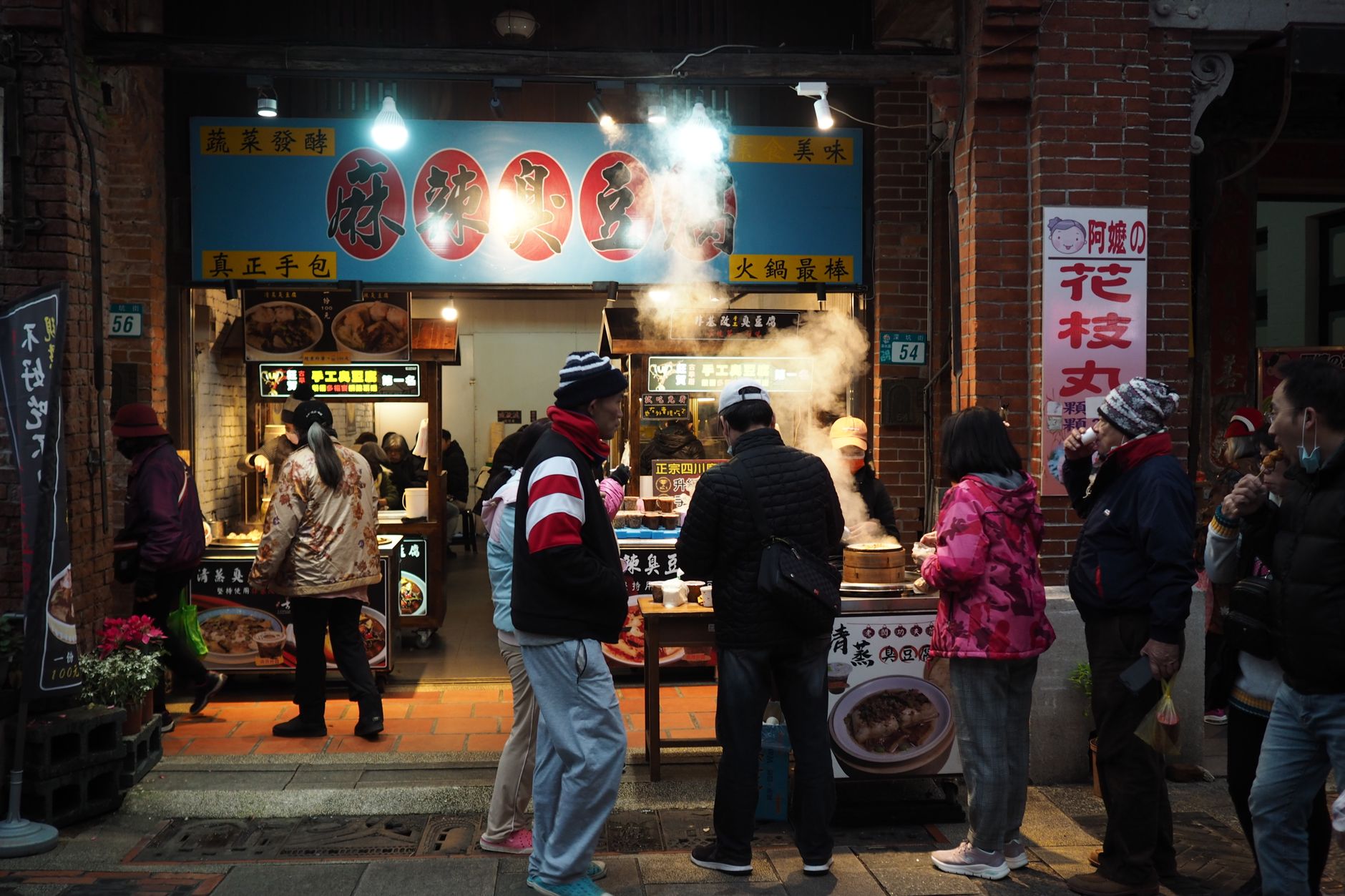
The global food service sector is experiencing a massive shift as consumer appetites pivot away from traditional sit-down dining toward dynamic, highly portable formats. Asian street food, once confined to specialized neighborhood enclaves or night markets, has rapidly emerged as a dominant force in modern restaurant economics. Contemporary culinary operators are reshaping their concepts to capture this growing market segment. Driven by demographic shifts, digital culture, and evolving consumer preferences, high-value visual menu concepts are expanding rapidly across urban centers worldwide.
Recent reporting from Assurup highlights how operators are altering their business models to integrate these quick-service culinary formats. Modern diners increasingly prioritize speed, novel flavor profiles, and sensory engagement, which traditional casual dining establishments often struggle to deliver efficiently. Street food concepts inherently offer lower overhead, simpler inventory requirements, and higher unit turnover rates. These economic efficiencies allow operators to remain resilient even amidst broader inflationary pressures and rising commercial real estate costs.
Asian street food formats thrive on high-throughput, limited-menu operational structures that streamline kitchen workflows. Concepts centering on items like egg rolls, skewered meats, steamed buns, and specialized noodle dishes permit standardized preparation methods without sacrificing perceived product quality. Operators can execute these items using compact kitchen footprints, significantly reducing footprint costs and energy consumption. Furthermore, the operational flexibility of street food allows concepts to easily transition between brick-and-mortar locations, food halls, and mobile catering units.
The rapid rise of these concepts is also deeply tied to supply chain modernization. Specialty ingredients that were once difficult for broadline distributors to source reliably are now widely available across primary and secondary food service markets. Sauces, specialized starches, and pre-marinated proteins can now be sourced at scale, allowing independent operators and multi-unit brands alike to maintain quality consistency across multiple venues. This distribution maturation has removed a historical barrier to scaling specialized street food operations.
Modern marketing channels have fundamentally changed how new food concepts achieve scale. Visually striking dishes, particularly those featuring rich textures, vibrant colors, or interactive elements, achieve immediate organic reach across social media platforms. Asian street food items possess inherent visual appeal, making them ideal subjects for short-form video content and digital word-of-mouth marketing. This viral potential dramatically lowers customer acquisition costs for new operators entering competitive urban markets.
According to market observations by Assurup, the visual nature of these dishes serves as a powerful conversion tool for younger demographic cohorts. Gen Z and millennial consumers actively seek out novel dining experiences that offer high visual capital alongside distinct taste experiences. Operators who design their menu items with digital presentation in mind often report higher initial transaction velocity compared to traditional fast-casual startups. Consequently, menu engineering in the street food sector now balances kitchen throughput with digital aesthetic appeal.
ADAPTING KITCHEN FOOTPRINTS AND TECHNOLOGY
To support these high-volume concepts, operators are increasingly investing in specialized cooking equipment optimized for speed and consistency. Automation tools, automated fryers, and high-efficiency induction surfaces enable line cooks to turn out complex order profiles in fractions of the time required by legacy cooking methods. This integration of targeted kitchen technology reduces labor dependencies, allowing venues to maintain steady throughput even during severe labor shortages.
Digital ordering interfaces, including self-service kiosks and mobile app integrations, complement this operational speed. By removing order entry bottlenecks at the front of the house, operators ensure that the kitchen remains the sole determinant of service speed. Customers can customize their orders digitally, expanding cross-selling opportunities for add-ons, beverages, and sides. This digital integration maximizes average check sizes while maintaining the rapid transaction pace expected of street food concepts.
FINANCIAL RESILIENCE IN A CHANGING MARKET
From an investment perspective, Asian street food concepts present an extraordinarily compelling risk profile for modern restaurant groups. Lower initial capital expenditure requirements lower the threshold for profitability, enabling faster capital payback periods. Smaller footprint requirements also afford operators greater leverage during lease negotiations, as street food concepts can easily inhabit non-traditional retail spaces that cannot support traditional kitchen infrastructure.
Additionally, the adaptability of street food menus allows operators to hedge against input cost volatility. Because many core dishes rely on flexible carbohydrate bases paired with scalable protein portions, operators can adjust menu compositions or introduce seasonal specials without disrupting customer expectations. This elasticity in menu engineering provides a crucial buffer against fluctuating commodity prices in today's unpredictable economic environment.
For consumers, the proliferation of Asian street food means access to diverse, high-quality flavor profiles at accessible price points with minimal wait times. As concepts continue to expand beyond major metropolitan areas, diners in secondary markets can expect a wider variety of specialized, high-throughput food options near their homes.
For operators and industry investors, street food represents a high-efficiency framework for driving volume while controlling real estate and labor costs. Embracing streamlined menus, visually engaging dish presentation, and compact kitchen technology offers a proven playbook for staying competitive in an increasingly margin-conscious industry. Keeping pace with these operational shifts will be vital for any dining business seeking sustained growth over the coming decade.
Sources and methodology
Reported from the public datasets below.
More from the Foodie Pundit Newsroom
- Culinary Industry Adapts as New Consumer Demands Drive 2026 Dining Shifts
- Grocery Chains Expand Digital Loyalty Perks to Shield Shoppers from Food Inflation
- Japanese Milk Bread Sweeps the UK as Social Media Drives Bakery Craze
- Reports Signal New Restaurant Growth in Jacksonville, But Details Remain Scarce
- How Modern Culinary Trends Are Reshaping Restaurant Economics and Consumer Choices