Beyond K-Pop: How Korea's Viral Street Foods Are Reshaping Global Restaurant Menus
A new wave of Korean culinary innovations is taking over global menus through viral visual appeal and dynamic flavor profiles.
By Foodie Pundit Newsroom - Published - Updated - Section: Social Virality
Key points
- Korean food trends are migrating from Seoul street stalls to global menus faster than ever due to digital media.
- Textural contrast and visual appeal are driving consumer demand for modern Korean hybrid dishes.
- Major food manufacturers are commercializing viral street food concepts for global retail distribution.
- Western restaurant chains are increasingly adopting Korean spice and umami flavor bases for standard menu items.
South Korea has long exported its culture through music and television, but its domestic food scene is now driving global consumer trends faster than ever before. Recent reporting from The Korea Times highlights a shift in how food innovations travel from Seoul street stalls to international menus. Viral digital media and rapid product development have created a direct pipeline for Korean culinary concepts.
Restaurants and food manufacturers are monitoring these regional trends to capture early consumer interest. What used to take years to cross borders now circulates on video platforms within days. Industry analysts note that contemporary Korean food trends rely on specific texturing techniques and bold visual appeal, making them uniquely suited for digital dissemination.
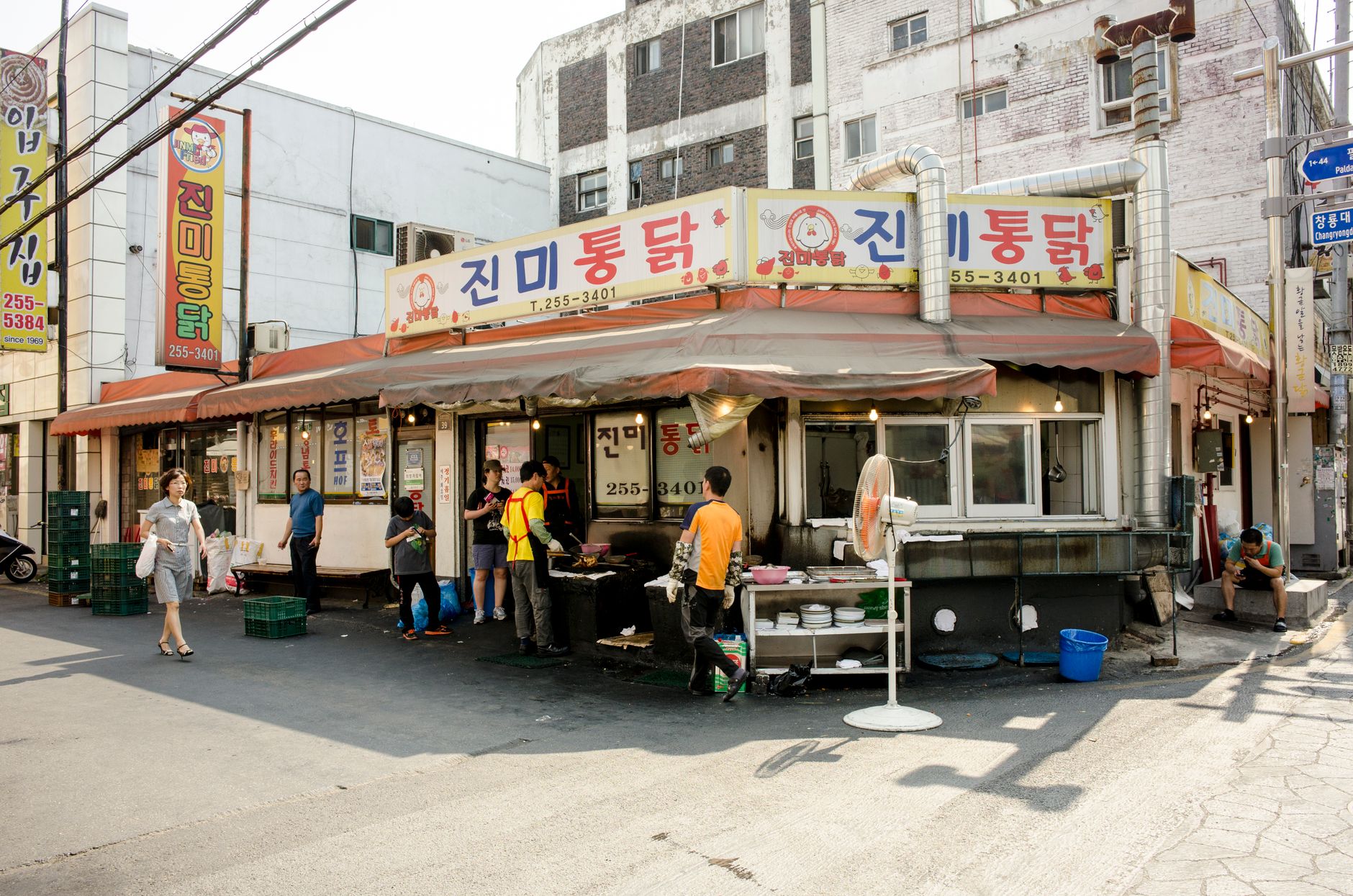
Korean street food has evolved far beyond traditional rice cakes and skewered meats. Modern vendors in major entertainment districts are pioneering hybrid dishes that fuse Western comfort foods with traditional local seasonings. These creations prioritize contrast, pairing crispy exteriors with stretchy, savory fillings or sweet glazes.
One notable trend involves reinterpreting classic baked goods and fried snacks with unexpected ingredients. Cheese, garlic, and sweet cream fillings have become standard additions to items that were once strictly savory. By altering familiar formats, street vendors create novel dining experiences that appeal to younger, digitally connected demographics.
Global diners are increasingly seeking out these hybrid items at specialized pop-ups and casual dining spots. The rapid adoption of these foods demonstrates a growing willingness among mainstream consumers to try complex flavor profiles. Operators who introduce these concepts early often enjoy strong social media engagement and high foot traffic.
TEXTURE AND VISUAL APPEAL AS MARKET DRIVERS
Food presentation has always been important, but current Korean culinary trends place an unprecedented emphasis on tactile experience. Chewy, crispy, and gooey textures are highlighted in promotional materials to evoke strong sensory responses. This focus on mouthfeel helps distinct dishes stand out in a crowded global food market.
Ingredients like modified starches, specialized batters, and dynamic dairy products are central to this technical approach. Culinary developers analyze how these ingredients behave under different cooking conditions to maximize stretch and crunch. The resulting textures translate effectively into visual content, driving online virality and subsequent restaurant foot traffic.
According to reporting from The Korea Times, local food brands are actively commercializing these artisanal street concepts for retail distribution. Packaged versions of popular viral snacks are appearing on supermarket shelves worldwide. This commercial pathway allows niche street trends to scale into multi-million dollar global retail categories rapidly.
THE EXPANSION OF SPICE AND UMAMI PROFILES
Beyond structural and visual innovations, the underlying flavor profiles of Korean cuisine are broadening their reach. Traditional fermented pastes like gochujang and doenjang are being re-engineered into versatile sauces, drizzles, and dry seasonings. These adaptations reduce the barrier to entry for non-Korean consumers while maintaining signature umami depth.
Spiciness is also being recalibrated across different menu categories. Rather than relying solely on raw heat, modern Korean dishes balance chili spice with dairy, sugar, or fruity acidity. This balanced approach expands the addressable market for spicy foods, attracting diners who previously avoided hot dishes.
Restaurant chains in Western markets are integrating these flavor bases into standard offerings like chicken sandwiches, burgers, and french fries. The integration allows operators to update familiar menu formats with trendy, high-margin flavor profiles. As a result, Korean spicy-sweet combinations have become a permanent fixture in fast casual dining.
Scaling these viral culinary concepts requires robust supply chains and simplified kitchen operations. Multi-unit restaurant operators must ensure that complex textures and flavors can be reproduced consistently across different locations. Food service distributors are responding by developing pre-portioned sauces, standardized batters, and specialized cooking equipment.
Franchise networks originating in Seoul are expanding globally at an accelerated pace. These operators bring established brand identities and refined operating procedures directly to new international markets. Their success relies on maintaining authentic flavor integrity while adapting menu sizes and pricing to local economic conditions.
Independent operators are also leveraging these supply chain advancements to feature Korean-inspired items without overhaul of their core operations. Pre-made sauces and frozen components allow small kitchens to participate in viral trends quickly. This accessibility accelerates the overall spread of Korean culinary influence across the foodservice industry.
For restaurant operators and food industry professionals, the rapid globalization of Korean food trends presents both opportunities and operational demands. Keeping pace with these fast-moving consumer preferences requires agility in menu development and supply sourcing. Integrating viral flavor profiles or texturing techniques can revitalize existing brand offerings and attract younger demographics.
For everyday consumers, this culinary wave means greater access to diverse, high-concept dining options at every price point. As street food trends transition into mainstream grocery items and casual restaurant staples, exploring dynamic flavor combinations becomes simpler. The ongoing cross-pollination of international food cultures continues to enrich local dining landscapes worldwide.
Sources and methodology
Reported from the public datasets below.
- Bureau of Labor Statistics (BLS) - Consumer Price Index, food away from home
- Federal Reserve Economic Data (FRED) - Food services and drinking places series
- U.S. Census Bureau - Monthly Retail Trade, food services
- Bureau of Labor Statistics (BLS) - Consumer Price Index, food away from home
- Federal Reserve Economic Data (FRED) - Food services and drinking places series
- U.S. Census Bureau - Monthly Retail Trade, food services
More from the Foodie Pundit Newsroom
- Gourmet Butter Boards Return to Viral Dominance as Home Entertainers Seek Affordable Luxury
- How GLP-1 Weight Loss Medications Are Reshaping Grocery Aisles and Consumer Diets
- Spicy Chicken Wars Enter New Phase As Quick Service Chains Target Regional Flavors
- culinary Trends Move From Fine Dining Rooms To Domestic Kitchens
- Bern's Steak House Kin Announce New South Tampa Seafood Restaurant