Beyond K-Pop: The Next Wave of Viral Korean Food Trends Hits Global Markets
Beyond mainstream staples, a secondary wave of regional Korean street foods and viral culinary trends is rapidly capturing global restaurant markets.
By Foodie Pundit Newsroom - Published - Updated - Section: Social Virality
Key points
- Global consumer demand for Korean cuisine is expanding from established staples to niche street food concepts and regional specialties.
- Social media video formats are dramatically shortening the time it takes for local Seoul food trends to appear on international restaurant menus.
- Food service operators are adopting specialized, single-item fast-casual models to capitalize on high-demand viral Korean dishes.
- Maintaining supply chain agility and balancing trend-driven items with core menu offerings remain vital operational challenges for operators.
SEOUL, South Korea - Global demand for Korean food is shifting rapidly from mainstream cultural exports toward hyper-specific, viral culinary trends born in local street markets and online communities. According to market analysis and reporting by The Korea Times, international consumers are increasingly seeking out secondary waves of Korean gastronomy that move beyond established staples like kimchi, bulgogi, and fried chicken. This evolution reflects a deeper global engagement with Korean food culture, driven largely by digital platforms that accelerate the path from local neighborhood stall to international obsession.
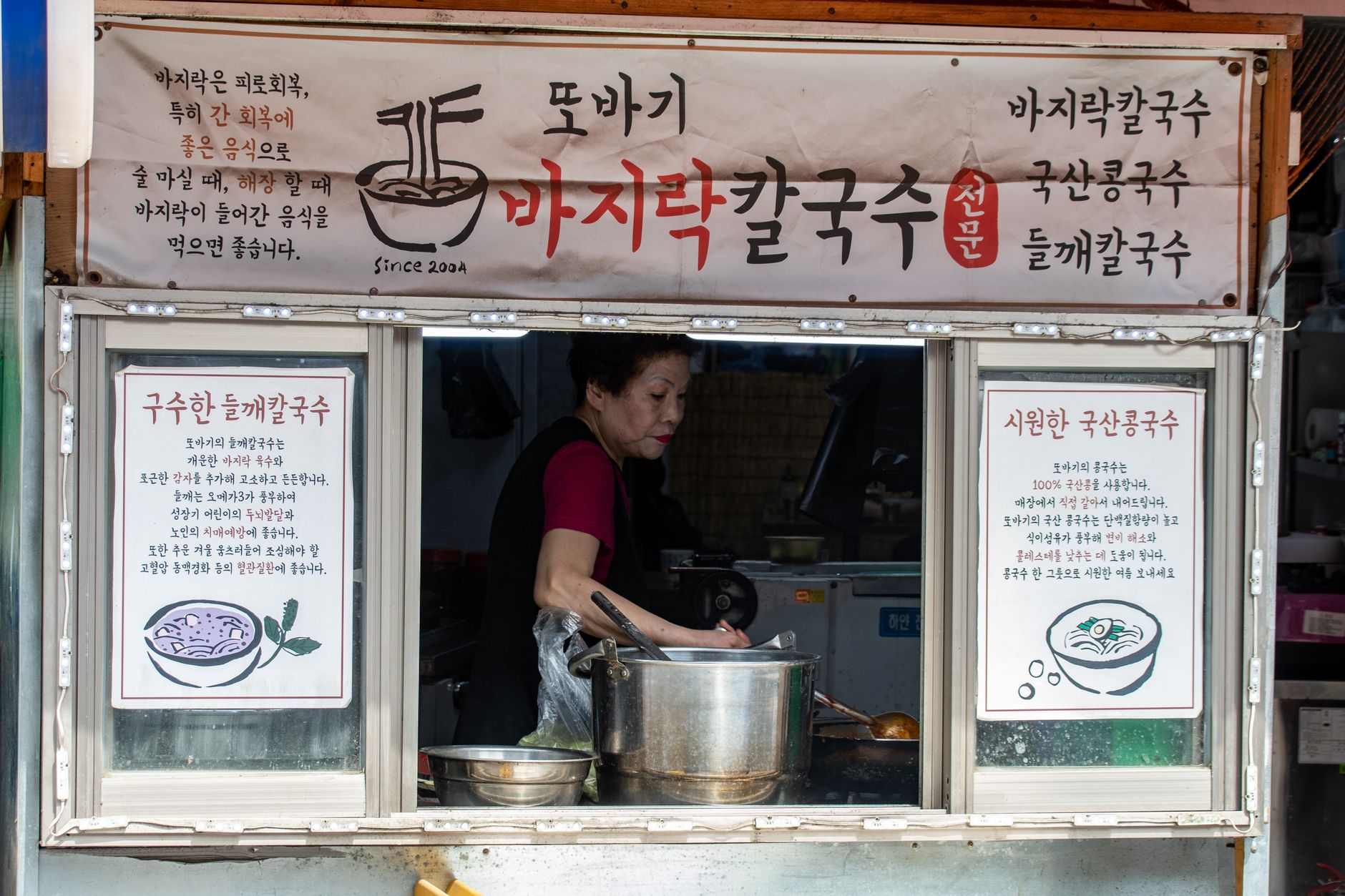
The original surge in global Korean food consumption was heavily linked to the worldwide popularity of Korean pop music and television dramas. While media entertainment provided the initial introduction, the current growth phase is self-sustaining and rooted in the intrinsic appeal of the food itself. Modern consumers are utilizing social video platforms to discover niche snacks, complex regional stews, and creative street food mashups that offer novel textures and dynamic flavor profiles. Consequently, small food vendors and specialized producers in Seoul are finding themselves at the epicenter of global dining trends.
A key driver of this current movement is the phenomenon of visual and sensory eating experiences designed for social media sharing. Street vendors across major Korean cities have adapted by developing dishes that feature dramatic cheese pulls, extreme spice levels, and interactive preparation methods. These elements translate exceptionally well to short-form digital video formats, capturing global audiences instantly. As a result, global food enthusiasts are visiting South Korea specifically to sample these viral items, while overseas operators are moving quickly to replicate them in foreign markets.
The speed at which a local Korean street food item becomes a global restaurant menu trend has shortened dramatically. In previous decades, regional dishes took years to cross borders through traditional immigrant communities and specialized trade networks. Today, a dish that gains traction on digital networks in Seoul can appear on restaurant menus in Los Angeles, London, or Tokyo within a matter of weeks. Importers and food service distributors are actively monitoring Korean social channels to anticipate ingredient demand and secure supply chains before trends peak.
Commercial food manufacturers are responding by scaling up production of specialized ingredients required for these viral recipes. Specialty rice cakes, specific chili pastes, and frozen convenience items designed to replicate street food quality are seeing elevated export volumes. Major South Korean food conglomerates are investing heavily in processing infrastructure to meet international retail orders. This commercial backbone ensures that once a dish achieves viral status, home cooks and independent restaurant owners worldwide can access the authentic inputs needed to reproduce it.
The trend has also led to a diversification of Korean restaurant concepts operating in international markets. Rather than offering broad, comprehensive menus, new operators are launching hyper-focused quick-service concepts centered around a single viral item or category. These streamlined operational models allow for higher efficiency, targeted marketing, and lower overhead costs. Investors are viewing these specialized fast-casual Korean concepts as high-growth vehicles capable of rapid scaling across metropolitan centers globally.
Despite strong consumer enthusiasm, the rapid lifecycle of viral food trends presents distinct operational challenges for the food service industry. Restaurant operators who pivot too quickly to chase a fleeting social media trend risk significant capital loss if consumer interest wanes before investments are recouped. Menu engineering in this environment requires a balance between offering trendy, headline-grabbing items and maintaining core menu offerings that ensure long-term customer retention. Suppliers also face inventory risks if demand spikes abruptly and then normalizes just as quickly.
Furthermore, authentic flavor profiles sometimes face adaptation pressures as dishes enter broader global distribution. Restaurant operators frequently debate whether to maintain strict regional authenticity or modify spice levels and ingredients to suit local palates. Current reporting suggests that consumer preferences are leaning increasingly toward authenticity, as diners seek out genuine regional culinary experiences rather than diluted adaptations. This shift rewards operators who maintain fidelity to original recipes while managing the logistical complexities of sourcing specialized imported ingredients.
The phenomenon also highlights the growing influence of Asian quick-service innovation on the broader global restaurant landscape. Western restaurant brands are actively studying Korean street food formats for inspiration regarding packaging, portability, and flavor combination techniques. The integration of sweet and savory elements, combined with diverse textural components, is influencing menu development far beyond dedicated Korean eateries, impacting mainstream fast-casual chains and convenience store food service offerings worldwide.
For restaurant operators, food distributors, and culinary entrepreneurs, the rapid rise of secondary Korean food trends offers actionable insights into modern menu innovation and consumer behavior. Staying ahead in the competitive food service sector requires monitoring digital media channels where young consumers discover new culinary concepts long before they hit trade publications. Incorporating dynamic textures, high-contrast flavor combinations, and visually engaging presentation styles can boost menu appeal and drive organic word-of-mouth marketing for your business.
For consumers and food enthusiasts, this shifting landscape translates to unprecedented access to authentic and diverse Korean dining options right in your home city. As international supply chains become more responsive, the time gap between a dish going viral in Seoul and appearing at a local eatery near you will continue to shrink. Embracing these new menu offerings supports small independent operators while allowing you to explore the rich, evolving depth of Korean food culture beyond traditional standard offerings.
Sources and methodology
Reported from the public datasets below.
More from the Foodie Pundit Newsroom
- GLP-1 Weight Loss Drugs Drive Shift Toward Lighter Menu Fare
- Commercial Kitchens Turn to Plant-Based Seafood to Combat Rising Costs and Supply Volatility
- Double Take Market & Eatery Planning Late Summer Debut in North Miami Beach
- Miami's Secret Restaurant Stirs Loudest Anticipation on Culinary Scene.
- Chick-fil-A Signals a Potential Spicy Menu Expansion as Nashville Hot Fever Takes Over