Beyond Pop Culture: How Viral Street Food Is Fueling South Korea's Next Global Export Boom
South Korea's culinary innovation is driving global retail expansion and shifting international demand from pop culture to specialized food exports.
By Foodie Pundit Newsroom - Published - Updated - Section: Social Virality
Key points
- South Korean food exports are growing rapidly, moving beyond pop culture ties to become an independent economic driver.
- Local Seoul street foods are engineered for digital virality using contrasting textures and bold sweet-and-spicy flavor profiles.
- Advances in frozen packaging allow manufacturers to export complex street foods directly to mainstream global supermarkets.
- Hyper-competitive domestic market dynamics in Seoul force restaurant operators to continuously innovate new culinary concepts.
SEOUL, SOUTH KOREA -- A powerful transformation is sweeping through the South Korean food industry as a new wave of viral culinary creations takes center stage globally. While South Korean pop culture and entertainment originally introduced international audiences to East Asian dining trends, the latest wave of food innovation is standing entirely on its own merit. Market analysts and regional culinary exporters report that specialized street foods, hyper-regional snacks, and modern fusion concepts are driving unprecedented consumer engagement both domestically and across overseas export markets.
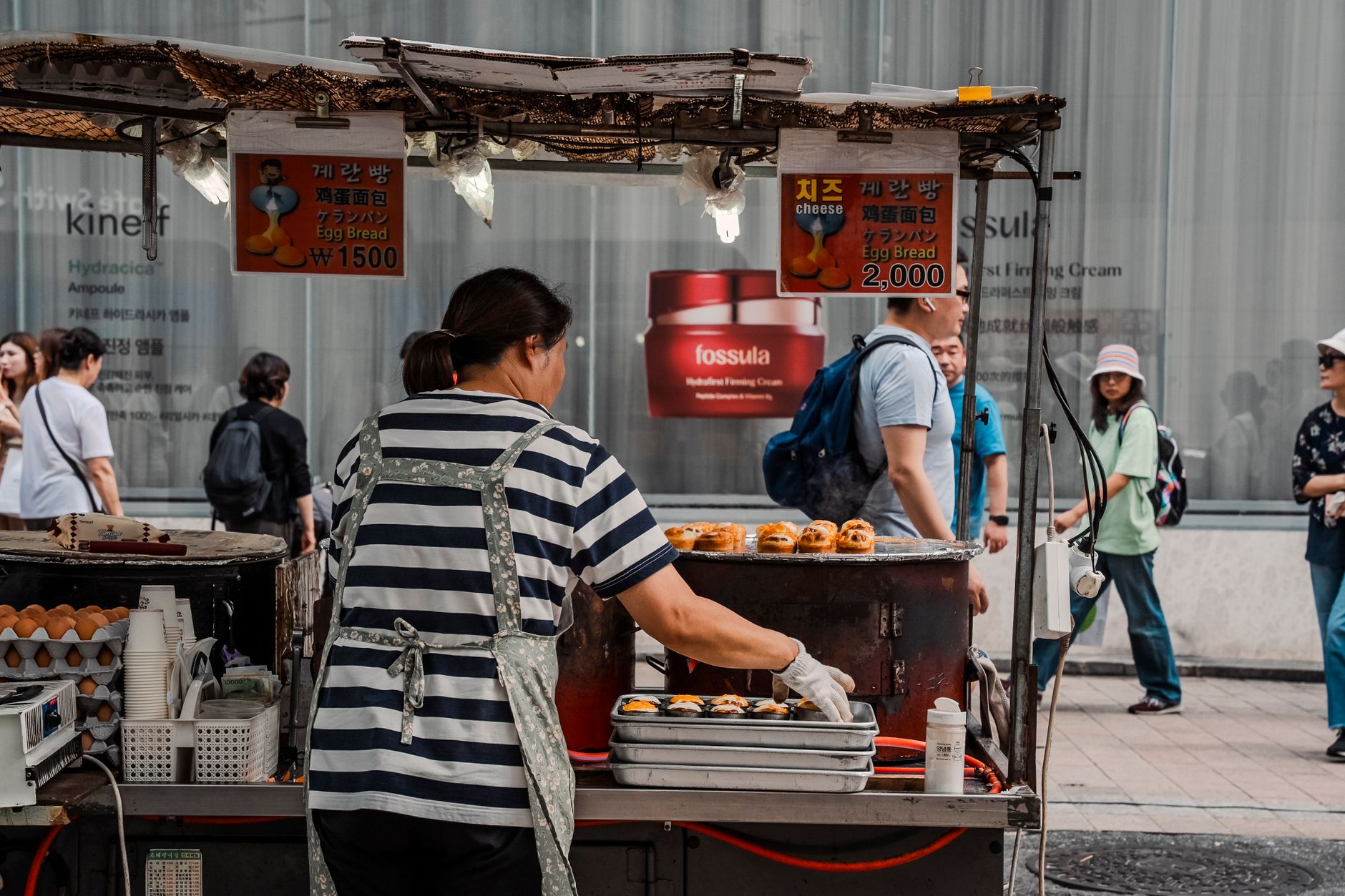
Reporting from The Korea Times indicates that consumer interest in South Korean cuisine has evolved from basic staples like kimchi and bulgogi toward highly specific, social-media-driven food experiences. Small food stalls, neighborhood bakeries, and urban night markets in Seoul are serving as incubator spaces for products designed explicitly for sensory appeal and digital virality. These items frequently combine traditional ingredients with modern textures, resulting in packaged goods and restaurant offerings that rapidly transition from local neighborhood treats to global retail phenomena.
GLOBAL DEMAND SHIFTS FROM ENTERTAINMENT TO CULINARY EXPERIENCES
For nearly two decades, the expansion of South Korean culture abroad was largely fueled by music, television dramas, and cinema. However, recent economic data highlights a distinct pivot where food and beverage exports are outpacing other cultural exports in year-over-year growth. International consumers who initially discovered South Korean culture through entertainment media are now actively seeking out authentic and innovative food products in their home countries. This shift has prompted major food manufacturers and independent exporters to streamline supply chains and accelerate the international release of viral items.
The speed at which a local dish transitions from a Seoul food stall to international supermarket shelves has accelerated dramatically. According to industry trackers, products that go viral on short-form video platforms can see export demand surge within a matter of weeks. To capitalize on this rapid cycle, South Korean food conglomerates are establishing agile production lines capable of manufacturing shelf-stable versions of street delicacies without compromising the distinct flavor profiles that made them popular on social media.
THE ARCHITECTURE OF VIRAL FLAVOR PROFILES
The current wave of viral South Korean dishes relies heavily on contrasting textures and bold flavor combinations. Culinary researchers note that modern South Korean street food frequently pairs traditional fermented elements, such as gochujang paste, with creamy or sweet components like processed cheese, condensed milk, and honey butter. These combinations create an accessible balance of heat and comfort that appeals across diverse cultural demographics while maintaining an undeniable novelty factor.
Visual appeal plays an equally important role in the development of these trending foods. Stretchy cheeses, vibrant sauces, and unique structural formats are intentionally engineered to capture attention on digital feeds. Restaurant operators in Seoul acknowledge that dish presentation is evaluated for its video potential long before a menu item is finalized. As a result, the physical experience of pulling, snapping, or dipping food has become a primary selling point for younger demographics seeking interactive dining experiences.
SUPPLY CHAIN ADVANCEMENTS AND RETAIL EXPANSION
Meeting the global demand for delicate street food items requires significant logistical innovation. Frozen food technology and advanced modified-atmosphere packaging have made it possible to ship complex, multi-layered dishes across oceans without degrading quality. Specialty importers in North America and Western Europe report that shelf space dedicated to South Korean frozen snacks, instant noodles, and ready-to-eat meals has expanded by double digits over the past three fiscal years.
Major global grocery chains are taking notice of this sustained consumer demand by expanding their direct sourcing agreements with South Korean suppliers. Rather than restricting these items to specialized Asian grocery stores, mainstream supermarkets are placing Korean convenience foods alongside established western brands. This integration has permanently broadened the consumer base for South Korean exports, insulating the market against temporary shifts in social media trends.
THE DYNAMICS OF URBAN RESTAURANT INNOVATION
Back in South Korea, the hyper-competitive nature of the domestic restaurant industry keeps the pipeline of new concepts moving at a relentless pace. High commercial rents in major metropolitan districts force restaurant operators to constantly innovate to maintain customer foot traffic. Concepts that fail to generate organic digital exposure often struggle to survive past their first year of operation, creating an environment where culinary experimentation is an absolute economic necessity.
This intense domestic pressure produces a high turnover of ideas, but it also ensures that only the most resilient and appealing food concepts survive long enough to reach international markets. The culinary ecosystem acts as a real-time testing ground where consumer preferences are measured instantly through sales data and digital metrics. Consequently, the food trends that successfully export abroad represent the refined output of an extraordinarily competitive domestic market.
For everyday consumers and restaurant patrons, the rapid global expansion of South Korean food trends means unprecedented access to unique, high-quality dining options. You will likely notice a wider variety of South Korean street foods, frozen novelties, and specialized cooking ingredients available at your local neighborhood grocery store. Mainstream food brands are also taking inspiration from these viral creations, meaning that South Korean flavor elements like sweet-and-spicy glazes and fermented chili sauces will increasingly appear on conventional restaurant menus.
For food service operators and home cooks alike, this trend offers an easy gateway into creative flavor pairing. Adding South Korean sauces or incorporating texturally contrastive elements into familiar dishes allows home chefs to experiment without needing complex culinary equipment. As supply chains continue to improve, access to authentic ingredients will only become easier, allowing food enthusiasts everywhere to participate in the latest viral culinary movements from the comfort of their own kitchens.
Sources and methodology
Reported from the public datasets below.
More from the Foodie Pundit Newsroom
- KFC Prepares Unorthodox Menu Shift as Fast Food Chains Bet Big on Culinary Novelty
- Sweet Innovation: How Commercial Bakeries Are Engineering the Next Generation of Desserts
- The Ice Cream Croissant Explodes Across Dessert Menus As Operators Capitalize On Summer Margins
- Digital Farm Infrastructure Drives Operational Efficiency and Wholesale Price Stability
- The Great Dessert Overhaul How Restaurants Are Upgrading Sweet Menus for Profit and Social Media