Beyond Pop Stars: How South Korea's Latest Viral Dishes Are Transforming Global Menus
South Korean street food and trendy fusion dishes are sweeping global menus as digital virality fuels rapid international restaurant expansion.
By Foodie Pundit Newsroom - Published - Updated - Section: Social Virality
Key points
- Modern Korean food trends are moving rapidly from Seoul street markets to international menus, driven by short-form video platforms.
- High-margin fusion items like cream-based rice cakes and specialized bakery goods offer strong profitability for operators.
- Advancements in global cold-chain logistics have stabilized ingredient supply lines for Western restaurants and groceries.
- Integrating versatile Korean flavor profiles allows traditional operators to update menus with minimal kitchen disruption.
The global appetite for South Korean culture has evolved far beyond music charts and television dramas. While global pop phenomena first opened the door to East Asian culture for millions of international consumers, food has rapidly taken over as the primary driver of Korean cultural exports. Market analysts report that viral street food trends originating in Seoul are now translating directly into restaurant openings and menu additions across North America and Europe.
According to reporting by The Korea Times, the latest wave of culinary exports is defined by extreme texture combinations, hyper-localized comfort foods, and social media friendly presentations. Industry trackers note that while early Korean food trends focused on traditional staples like kimchi and barbecue, current demand is driven by modern fusion snacks that gained traction on short-form video platforms. The speed at which these hyper-niche snacks move from Seoul street markets to western suburban menus has compressed from years to mere weeks.
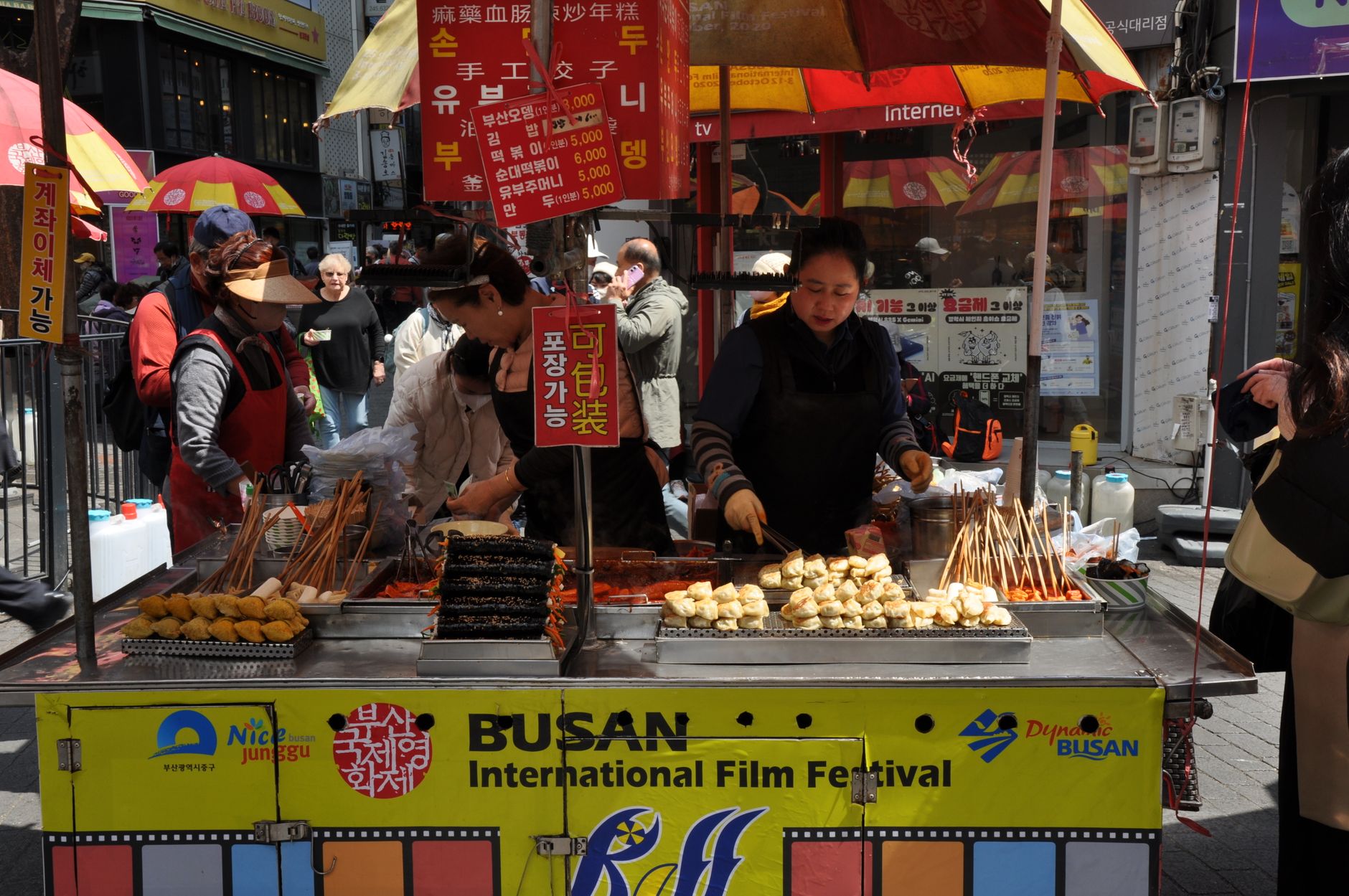
At the forefront of this current expansion are items that reimagine accessible, carbohydrate-heavy comfort foods. Deep-fried rice cakes drizzled with sweet and spicy sauces, known locally as tteokbokki, have undergone dozens of modern iterations designed to appeal to younger, international palettes. Cream-based versions, often referred to as rosé tteokbokki, mix traditional fermented chili paste with heavy cream or cheese, significantly lowering the barrier to entry for consumers sensitive to high heat levels.
Another major driver of the modern Korean food movement is the explosive growth of specialized bakery items. Korean bakeries have successfully commercialized items like garlic cream cheese bread, flattened croissant chips, and coin-shaped waffles filled with gooey cheese. These items stand out because they blend familiar Western baking techniques with surprising savory and sweet profile twists. Restaurant operators report that these bakery concepts yield high profit margins because they rely on inexpensive core ingredients like flour, cheese, and sugar while commanding premium retail prices due to their viral status.
THE VIRAL FORMULA FOR MODERN CULINARY EXPORTS
The rapid international adoption of these dishes is not accidental. Industry experts highlight that successful modern food exports share specific characteristics optimized for the digital age. Visually dramatic element such as extreme cheese pulls, vibrant sauce drizzles, and novel shapes generate natural engagement on visual social networks. This organic online exposure acts as free marketing, creating built-in demand before products even hit regional distribution networks in foreign countries.
Furthermore, Korean food manufacturers and franchise operators have perfected the art of scalable convenience. Major food conglomerates in South Korea have invested heavily in instant freeze-dried versions and ready-to-heat packaged formats of viral street eats. This allows consumers in suburban markets without access to authentic Korean eateries to participate in the trend through local specialty grocery stores. Importers report record-breaking shipping volumes for packaged Korean snacks and frozen meal kits over the past fiscal year.
ECONOMIC IMPACT ON INTERNATIONAL RESTAURANTS
For independent restaurant owners and global fast-casual chains, the Korean food wave offers lucrative opportunities to refresh stale menus. Incorporating Korean flavor profiles, such as gochujang glazes, honey butter seasonings, and sweet soy garlic dips, allows operators to charge a premium without fundamentally altering their kitchen workflows. Standard fried chicken, french fries, and burgers can be easily upgraded with Korean sauces to attract younger demographics looking for novel dining experiences.
However, operating in a trend-driven environment carries inherent risks for food service businesses. The fast-paced nature of viral internet culture means that consumer preferences can shift rapidly, leaving operators with excess inventory if a specific trend fades. Successful operators are mitigating this risk by adopting broad Korean flavor platforms rather than tying their operational model to a single viral item. By integrating versatile sauces and iconic spices into existing menu architectures, restaurants build long-term customer loyalty that survives short-lived internet hypes.
Behind the scenes, advancements in global cold-chain logistics have played a critical role in sustaining this culinary momentum. Importing authentic ingredients like specific varieties of chili flakes, fermented pastes, and specialized rice flour used to present significant logistical bottlenecks for Western distributors. Over the last five years, major South Korean agriculture and logistics firms established robust distribution hubs across North America and Europe, stabilizing supply lines and reducing wholesale costs for commercial kitchens.
This institutional support ensures that regional Korean food concepts can expand beyond major metropolitan centers into mid-sized markets. Franchise groups originating in Seoul are now actively securing real estate in suburban shopping centers across the United States. Analysts predict that over the next decade, Korean fast-casual dining options will become as ubiquitous in global food courts as traditional taco shops or pizzerias.
For everyday consumers and diners, the rise of modern Korean street food means unprecedented access to innovative dining options at various price points. You no longer need to travel to a major global city or visit a specialized district to try high-concept Korean dishes. Local grocery stores will continue to expand their frozen food aisles with high-quality, authentic options, while regional restaurant chains will increasingly feature Korean-inspired limited-time offerings on their menus.
For restaurant operators and hospitality entrepreneurs, this cultural shift presents a clear playbook for menu innovation. Integrating Korean flavor elements provides a cost-effective way to modernize menu offerings and appeal to younger, digitally connected diners. By leveraging stabilized supply chains for authentic sauces and pastes, operators can capture high-margin sales while minimizing operational complexity in the kitchen. Staying ahead of these flavor trends allows businesses to remain competitive in a rapidly changing dining landscape.
Sources and methodology
Reported from the public datasets below.
More from the Foodie Pundit Newsroom
- Summer Restaurant Surge: How Operators Are Adapting Staffing Strategies for Peak Demand
- How Viral Video Culinary Trends Are Reshaping Restaurant Menus This Season
- Tabla Indian Restaurant Opens Third Orlando Location in Lake Nona Landing
- Taco Bell Confirmed for Green Cove Springs, Sets Opening on North Orange Avenue
- Glasgow Sandwich Shop Shuts Down Unexpectedly After Eight Years in Operation