Chef Ankit Redefines Regional Indian Dining for Global Culinary Travelers
High-end Indian gastronomy is capturing market share as chefs leverage regional storytelling and premium dining experiences.
By Foodie Pundit Newsroom - Published - Updated - Section: Chef Moves
Key points
- Upscale Indian establishments are moving away from standardized menus to focus on hyper-local, regional recipes.
- Experiential dining models allow operators to command higher average checks and offset rising labor and import costs.
- Authentic spice sourcing paired with fresh local ingredients creates a resilient supply chain strategy for premium concepts.
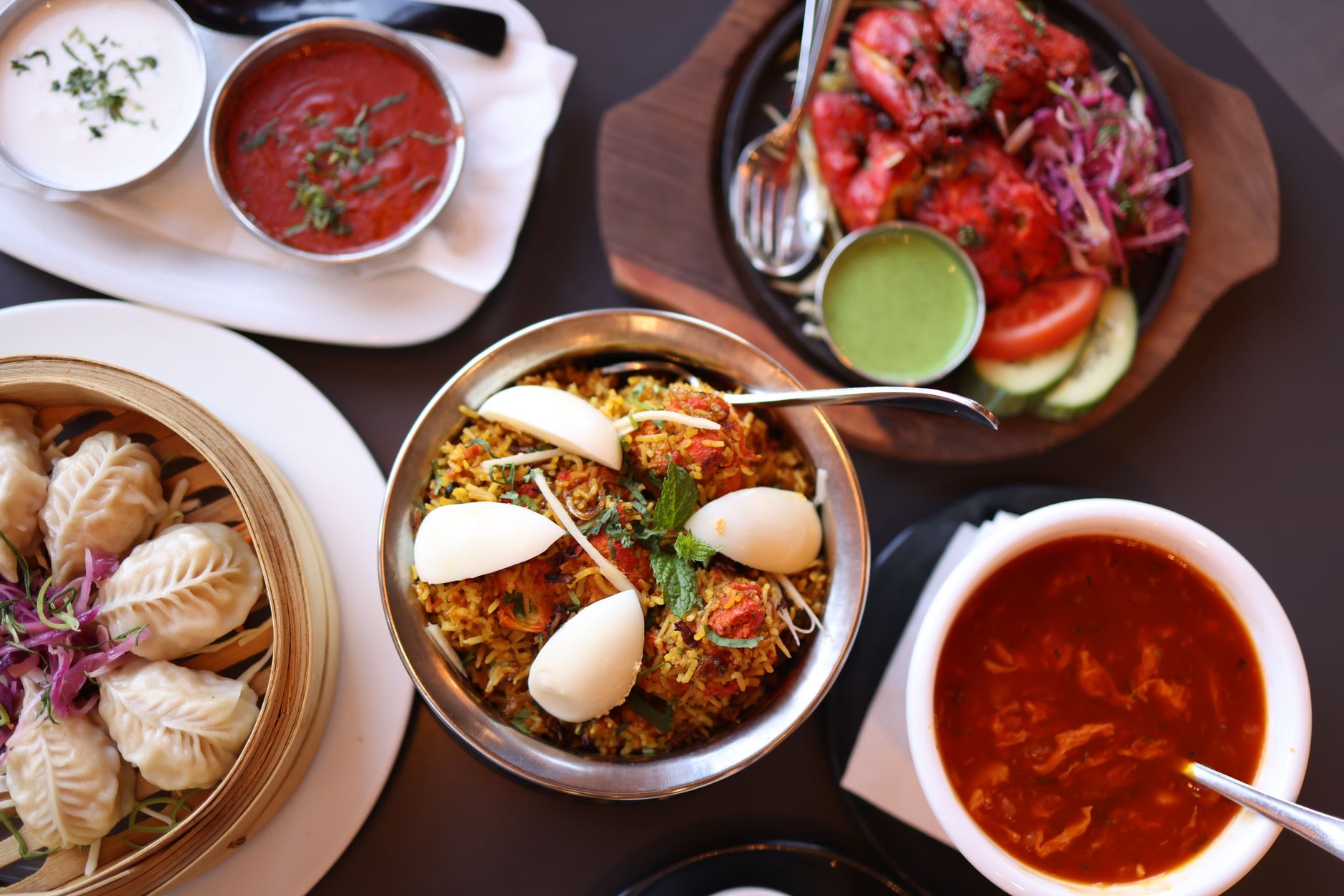
The global landscape of upscale dining is undergoing a subtle yet profound transformation as regional Indian cuisine gains significant ground in major metropolitan markets worldwide. Long categorized in Western markets as an informal or budget-friendly dining option, Indian gastronomy is increasingly repositioning itself within the luxury and experiential hospitality sectors. Led by a new generation of culinary leaders, establishments like Taste of India are demonstrating how traditional spice profiles and modern technique can merge to attract high-margin culinary tourists.
Recent coverage from TravelDailyNews Asia highlights how culinary figures like Chef Ankit are spearheading this shift by reframing regional Indian dishes as immersive travel experiences. Rather than offering standardized menus designed for mass appeal, top-tier Indian chefs are introducing diners to hyper-local recipes sourced from specific geographic regions across the subcontinent. This strategic pivot allows hospitality operators to capture premium price points while catering to an international dining public that prioritizes authenticity, complex flavor dynamics, and storytelling.
OPERATIONAL DYNAMICS OF EXPERIENTIAL DINING
For restaurant operators, the transition toward high-end experiential dining requires substantial capital investment in both back-of-house talent and front-of-house education. Preparing authentic Indian regional cuisine at a fine-dining standard involves complex preparation methods, precise spice tempering, and specialized equipment such as traditional tandoors. Chefs like Ankit are tasked not only with executing these labor-intensive menus but also with training service staff to articulate the origin and narrative of each course to curious patrons.
This elevated service model directly impacts key performance metrics within the hospitality sector. By transforming a standard dinner service into an epicurean journey, restaurants can significantly increase the average check size per guest. Higher margins on specialty tasting menus and curated beverage pairings help offset the rising costs of premium ingredients, specialized labor, and imported spices. Consequently, experiential Indian dining has emerged as a resilient category within an otherwise margin-squeezed global restaurant industry.
The growing popularity of destination dining reflects broader shifts in consumer spending habits following years of altered travel patterns. Modern diners are increasingly allocating discretionary income toward memorable, sensory-rich experiences over material goods. According to industry analysis, hospitality concepts that market themselves as cultural escapes are seeing higher customer retention rates and stronger word-of-mouth engagement than traditional neighborhood eateries.
Chef Ankit and his peers at Taste of India tap into this demand by designing menus that function almost as regional itineraries. Guests are guided through distinct culinary zones, moving from the rich, dairy-infused curries of the north to the coconut and seafood dynamics of the southern coastlines. This structured progression keeps consumers engaged throughout the meal, encouraging longer table dwell times and increasing the likelihood of incremental orders such as post-dinner digestifs or specialized desserts.
Sustaining a premium regional Indian menu requires a robust and reliable supply chain capable of delivering authentic ingredients. High-end Indian establishments often rely on specialized importers for non-hybrid spice varieties, heritage grains, and niche dairy products. Managing these international supply chains presents operational challenges, particularly given recent global logistics volatility and fluctuating shipping costs.
To mitigate these risks, leading culinary teams are adopting hybrid sourcing strategies. While core spices and signature aromatics are imported directly to preserve geographic authenticity, fresh produce, meats, and seafood are procured locally to ensure optimal quality. This balance allows kitchen teams to maintain exact flavor profiles while minimizing waste and supporting sustainable procurement practices, a factor that resonates strongly with premium dining demographics.
As the market for elevated Indian dining matures, competition among operators is intensifying in major culinary hubs across Asia, Europe, and North America. Operators can no longer rely solely on basic regional tropes to differentiate their brand. Success in this evolving market demands continuous menu innovation, flawless execution, and a deep understanding of local market preferences without compromising the core culinary identity.
Looking ahead, industry analysts project continued growth for high-concept Indian dining establishments. The success of chefs like Ankit demonstrates that consumers are eager to explore complex international flavor profiles when presented in a sophisticated context. As global travel and dining continue to intersect, restaurants that successfully deliver genuine cultural narratives alongside exceptional food are well positioned to capture a growing share of the premium hospitality market.
For everyday consumers and avid food lovers, the evolution of regional Indian dining means access to far more diverse and authentic culinary options than were available in past decades. Rather than choosing between generic curry houses and western fine dining, guests can now enjoy sophisticated, multi-course Indian meals that offer deep insight into regional cultures.
For industry professionals and restaurant investors, this trend highlights the commercial viability of elevated cultural dining concepts. Investing in specialized culinary talent and consumer education can unlock higher check averages and stronger brand loyalty. As consumer interest in epicurean travel continues to climb, operators who elevate regional cuisines will likely see sustained market advantages.
More from the Foodie Pundit Newsroom
- Walmart Recalls Frozen Meat Products Amid Contamination Fears
- Momotaro Is Bringing Its High-End Japanese Dining To Nashville
- Getti Is Bringing Japanese Spaghetti To Florida
- Chick-fil-A Prepares Systemwide Menu Rollout as Fast Food Rivalry Intensifies
- McDonald's Taps Nostalgia and Streetwear for a Modern Happy Meal