Chick-fil-A Explores Nashville Hot Chicken as Fast Food Heat Wars Intensify
Major fast food chains continue to leverage intense regional heat profiles to drive customer engagement and combat rising competition in the fried poultry secto
By Foodie Pundit Newsroom - Published - Updated - Section: Chain Watch
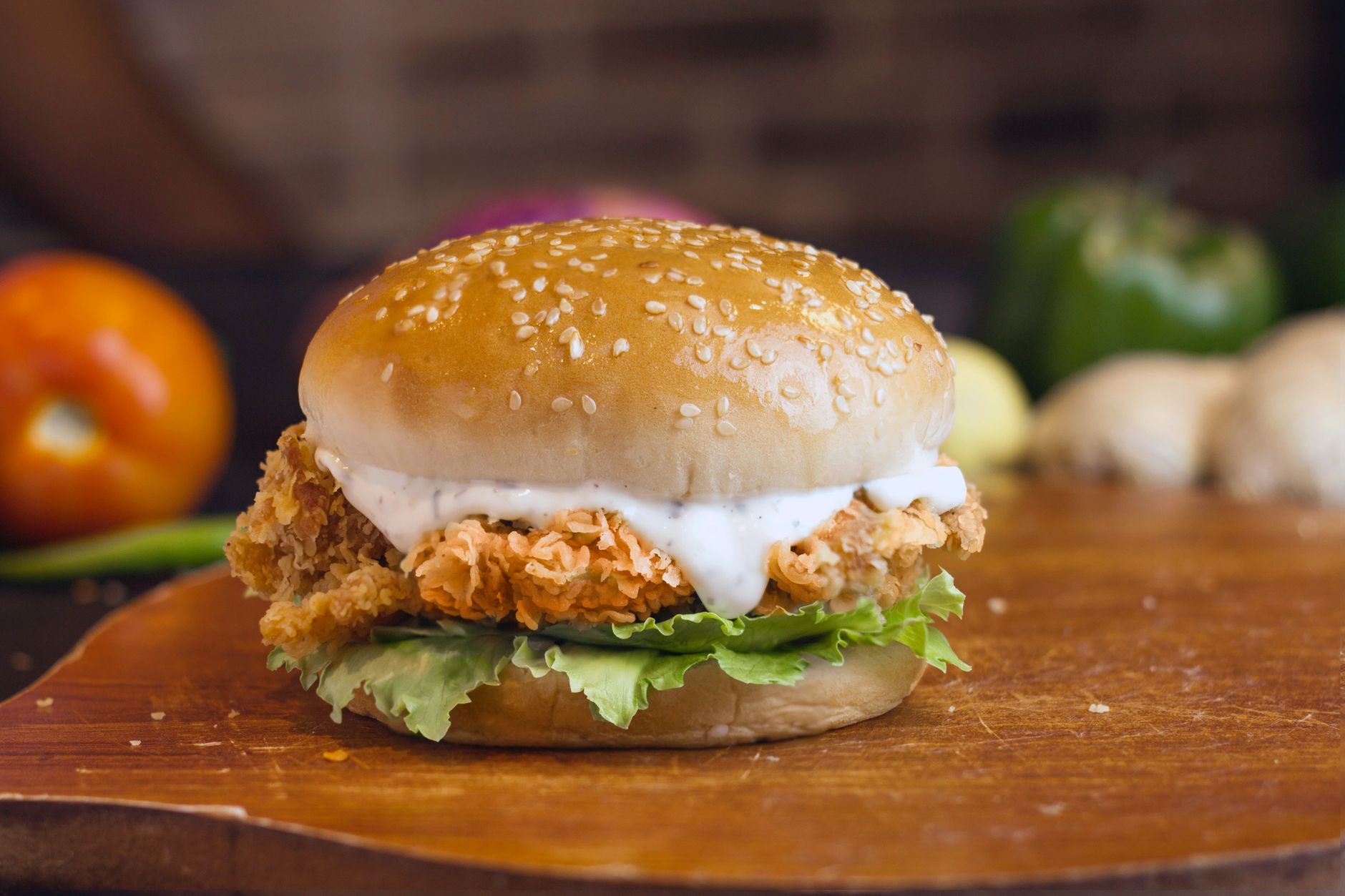
Key points
- Fast food operators are increasingly adopting regional spice styles like Nashville hot chicken to appeal to younger demographics.
- Introducing oil based spicy glazes presents operational challenges for high volume fast food kitchens.
- Viral menu speculation often serves as an informal indicator of regional test marketing within the restaurant industry.
- Spicy limited time offers help major brands drive social media engagement and increase average customer check sizes.
FAST FOOD SPICINESS ACCELERATES AMIDST POULTRY PRICE VOLATILITY
The quick service restaurant sector is currently locked in an arms race centered entirely around heat profiles and regional flavor innovation, a battle made all the more intense by recent shifts in commodity markets. Industry observers and consumer trend monitors have recently highlighted speculation that Chick-fil-A may be preparing a broader rollout of a Nashville hot chicken concept. This move comes as boneless chicken breast prices, a key ingredient, have seen a significant 18.7% jump since January, now averaging $1.86 per pound according to the latest federal data. While the chain has long maintained a dominant market position with its core fried poultry lineup, the addition of a heavily spiced regional specialty signals a broader strategic pivot designed to capture younger demographics and defend market share against aggressive competitors, even as the cost of their primary protein remains in flux.
Consumer demand for intense chili oils and regional spice blends has risen consistently over the past five years. Fast food operators can no longer rely solely on basic jalapeno sauces or standard cayenne marinades to satisfy modern palates. By exploring iconic culinary styles like Nashville hot chicken, major quick service brands are attempting to bridge the gap between traditional fast food convenience and artisanal casual dining trends.
The mechanics of introducing a Nashville hot chicken product to thousands of locations present significant operational hurdles for any major chain. True Nashville style fried chicken relies on a distinct combination of lard or oil infused with heavy concentrations of cayenne pepper, garlic, and brown sugar. Applying this thick, spicy oil glaze consistently across automated high volume kitchens requires specialized equipment adjustments and rigorous worker training to prevent cross contamination with non spicy items.
Reporting from TODAY underscores how viral speculation often precedes formal corporate announcements in the modern restaurant landscape. Menu developments are frequently leaked through localized test markets or internal operational memos long before national marketing campaigns launch. For a system as streamlined as Chick-fil-A, regional market testing allows corporate culinary teams to evaluate whether kitchen throughput slows down when handling complex liquid glazes during peak lunch and dinner rushes.
The broader context of this potential menu expansion involves intense competition across the entire fast food landscape. Ever since the famous chicken sandwich wars began several years ago, rival chains have continually refreshed their menus with limited time offers and spicy variants. Popeyes, KFC, Wendy's, and McDonald's have all invested heavily in proprietary spicy sauces, pepper jack cheese toppings, and seasoned breadings to retain consumer interest.
Chick-fil-A currently holds a massive share of the chicken fast food segment, but maintaining that lead requires continuous menu evolution without alienating traditional customers. Adding a Nashville hot profile allows the brand to participate in high trend flavor cycles while keeping its core menu items unchanged. Industry analysts note that spicy menu items often drive higher average check sizes because consumers frequently pair intense heat with premium beverages or cooling side dishes.
CONSUMER DEMOGRAPHICS AND FLAVOR PREFERENCES
Data from food service research firms indicates that Generation Z and millennial diners actively seek out intense heat and complex flavor fusion. Plain fried chicken, while still a stable revenue generator, lacks the social media appeal that drives modern viral food trends. A brightly colored, chili drenched hot chicken sandwich inherently creates visual engagement on digital platforms, providing free organic marketing that traditional television ads cannot match.
Furthermore, regional flavor profiles carry a perception of authenticity that appeals strongly to younger consumers. Nashville hot chicken has expanded far beyond its original Tennessee roots to become a recognized global culinary phenomenon. By adopting a well known regional standard rather than creating an abstract spicy sauce, fast food brands leverage existing consumer familiarity while offering a novel fast food application.
OPERATIONAL RISKS AND MARGIN CONSIDERATIONS
Despite the potential marketing advantages, expanding into heavy spices and oil glazes carries tangible financial risks for quick service operators. Wholesale prices for poultry, vegetable oils, and specialty dried peppers remain subject to supply chain volatility and global inflation. Liquid glazes also increase waste factors in store environments, as excess sauce remaining in holding pans or coating stations cannot easily be repurposed.
There is also the critical issue of spice tolerance among the general public. Fast food chains must carefully calibrate the heat levels of regional items to ensure they offer enough kick to satisfy spice enthusiasts without alienating heat sensitive diners. A Nashville hot sandwich that is too mild risks critical backlash online, while one that is too spicy can lead to excessive customer returns and refund requests at the register.
For the average restaurant consumer, the potential arrival of new spicy options at major chains means greater variety and elevated flavor standards at the drive thru window. You can expect to see major operators continue experimenting with localized, high heat recipes that were previously restricted to independent specialty shops. These menu tests ultimately force the entire fast food industry to improve sauce quality and ingredient transparency.
If you are a fan of spicy poultry, keep a close eye on your local drive thru menus over the coming months. Regional testing often expands silently into broader markets before receiving major national advertising support. However, consumers should also prepare for slightly higher price points on specialty limited time offers, as complex flavor glazes and specialized packaging push production costs higher for local franchise operators.
Sources and methodology
Reported from the public datasets below.
More from the Foodie Pundit Newsroom
- Cold Brew Versus Iced Coffee Industry Analysis and Consumer Choice
- London Hospitality Sector Prepares for Unprecedented Summer Restaurant Expansion
- How Nostalgia Marketing Drives Fast Food Traffic and Revenue
- How TikTok's Summer Pasta Salad Trend Is Driving Grocery and Food Trends
- UK Grocery Costs Skyrocket Past European Neighbors in Steep Price Surge