Croissant Ice Cream Hybrids Erupt Across Specialty Bakeries as Visual Trends Drive Menu Innovation
Bakeries and dessert concepts are driving high margins by combining warm laminated pastries with premium soft-serve dairy.
By Foodie Pundit Newsroom - Published - Updated - Section: Desserts Snacks
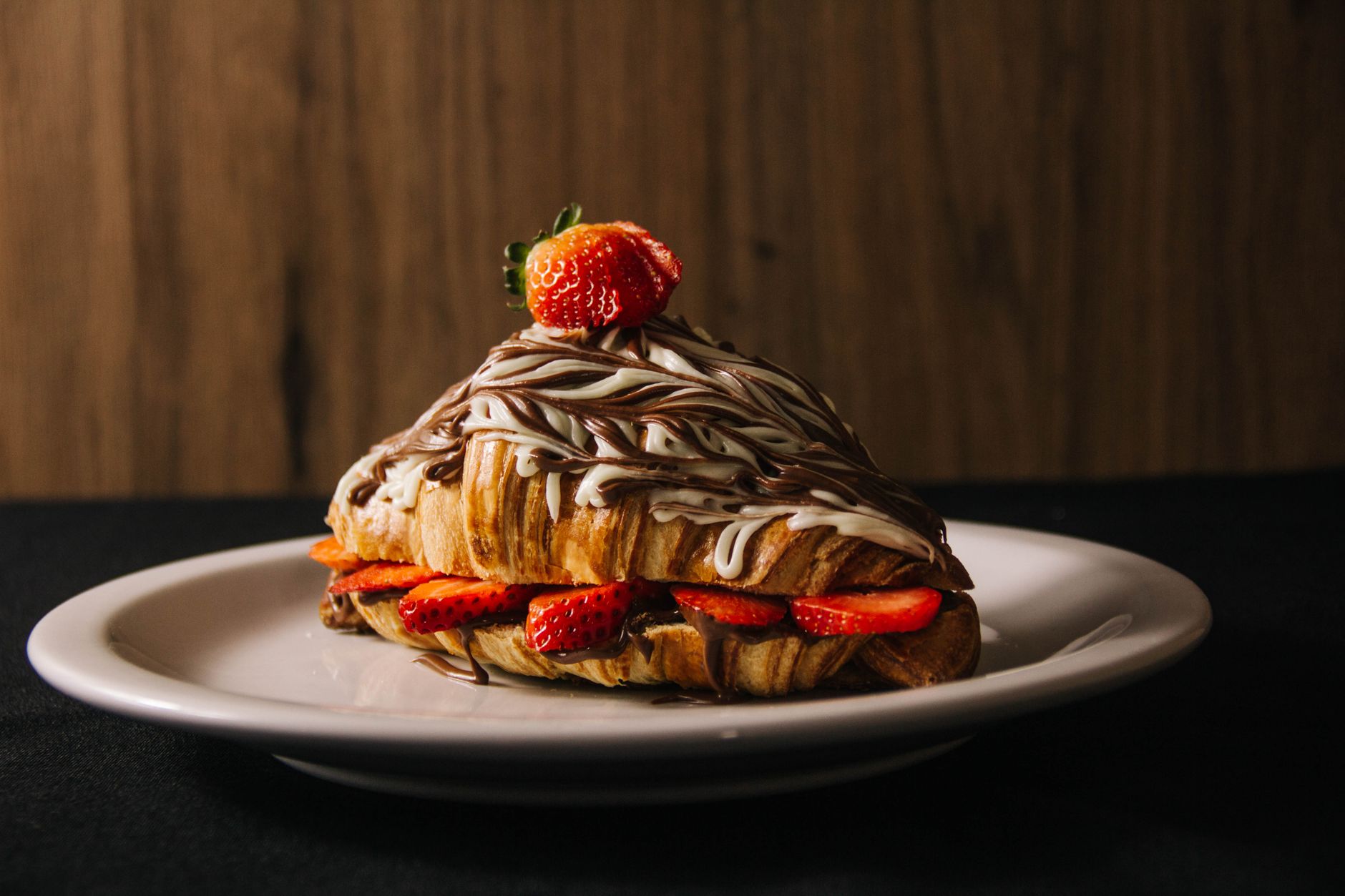
Key points
- Bakeries are pairing warm laminated croissants with dense ice cream to create high-margin, visually striking hybrid desserts.
- Technical adjustments like chocolate moisture barriers help maintain structural integrity and heat management during service.
- The combination allows operators to convert basic four-dollar pastries into eleven-dollar premium afternoon ticket items.
- Social media platforms continue to serve as the primary marketing engine driving rapid consumer adoption of hybrid foods.
The intersection of high-end French viennoiserie and artisanal frozen desserts has yielded the latest viral sensation across social media platforms. Bakeries and specialty scoop shops are increasingly pairing warm, buttery croissants with dense, slow-churned gelato or soft-serve ice cream. According to reporting by the Free Press Journal, this hybrid dessert concept is rapidly expanding across major urban food markets, capturing widespread consumer attention through striking visual appeal and contrasting textural profiles.
The architecture of the croissant ice cream hybrid relies on a delicate balance of temperature and structural integrity. Bakers typically hollow out a freshly baked croissant, creating a pocket capable of holding heavy scoops of ice cream without instantly dissolving the flaky layers. Alternatively, some venues slice the pastry horizontally like a sandwich, pressing it lightly in a pan or waffle iron before topping it with frozen dairy. The primary engineering challenge for operators involves managing heat transfer, as a warm pastry can rapidly melt the ice cream and turn the vessel soggy.
To combat structural breakdown, pastry chefs are deploying several specialized preparation techniques. Some operators line the interior cavity of the croissant with a thin layer of hardened chocolate or praline paste, creating a moisture barrier that protects the delicate lamination. Others opt to chill the baked croissant slightly prior to assembly, trading the dramatic temperature contrast for a longer-lasting, cleaner hand-held eating experience. These technical adjustments allow shops to serve a product that maintains its aesthetic form long enough for customers to photograph it.
From a culinary perspective, the flavor profile leverages the natural synergy between rich, high-fat cultured butter and sweetened dairy cream. Traditional croissant recipes demand butter with an eighty-two percent fat content minimum, which creates crisp, distinct layers during the lamination process. When paired with high-butterfat ice cream, the combination delivers an indulgent mouthfeel that appeals to consumers seeking premium sweet treats. Popular variations feature vanilla bean soft-serve, salted caramel, pistachio gelato, and dark chocolate drizzles.
The financial mechanics driving the croissant ice cream trend reflect broader shifts in food service marketing and menu development. Social media platforms have converted visually dynamic food items into powerful organic advertising mechanisms for independent bakeries. A striking video showing soft-serve being swirled into a flaky, golden-brown croissant can generate millions of impressions at virtually no direct promotional cost to the business. Consequently, pastry shops are actively designing menu items specifically tailored for digital shareability.
For bakery owners, adding ice cream to existing viennoiserie offerings represents a high-margin upsell strategy. Croissants are typically produced during early morning hours, requiring specialized labor and high-protein flour, but yield relatively low margins as standalone items. By introducing a scoop of commercial or in-house ice cream, operators can elevate a standard four-dollar pastry into an eleven-dollar specialty dessert. This substantial markup significantly improves the average ticket size during afternoon operating hours when traditional bakery sales tend to slow down.
Supply chain considerations also make this product particularly attractive to modern multi-concept operators. Ice cream offers a long shelf life when stored at precise freezing temperatures, minimizing inventory waste compared to fresh fruit or perishable cream fillings. Bakeries can utilize day-old croissants by lightly re-toasting them before adding the frozen filling, effectively converting potential food waste into a lucrative menu item. This operational efficiency helps offset the rising costs of raw ingredients like dairy and cacao.
The trend also highlights the growing influence of cross-category culinary fusion in quick-service environments. Concepts like the cronut, cruffin, and croffle demonstrated that consumers respond enthusiastically to familiar bakery items repurposed into novel formats. The croissant ice cream sandwich follows this established playbook, combining two globally recognized comfort foods into an accessible luxury item. Industry analysts note that such hybrid products allow traditional bakeries to modernize their image without completely overhauling their core production equipment or ingredient sourcing.
As the concept gains momentum, regional adaptations are emerging across different global markets. In Asian metropolitan centers, bakeries are filling charcoal-infused or matcha-flavored croissants with black sesame and ube soft-serve. European shops are leaning into hyper-local ingredients, utilizing regional butter appellations alongside single-origin chocolate scoops. Meanwhile, North American operators are experimenting with extreme toppings, incorporating candied bacon, espresso shots for affogato-style variations, and breakfast cereal crunches to maximize visual drama.
Equipment manufacturers are taking notice of the trend by adapting specialized pressing machines and display cases. Some vendors now market vertical croissant display racks designed to showcase the filled pastries behind temperature-controlled glass. Others offer compact soft-serve machines specifically calibrated for small-footprint artisanal bakeries that lack space for commercial batch freezers. These equipment innovations reduce the operational barrier to entry for smaller cafes seeking to capitalize on current consumer interest.
For everyday consumers and home food enthusiasts, the croissant ice cream trend offers an accessible way to experience gourmet flavor combinations without visiting an expensive fine-dining establishment. While specialty shops charge premium prices for these elaborate creations, the basic concept is remarkably simple to recreate at home using store-bought croissants and high-quality tub ice cream. Heating a bakery croissant in an oven for two minutes before adding a cold scoop of vanilla ice cream yields a similar balance of temperature and texture.
For prospective restaurant owners and bakery operators, the success of this hybrid dessert demonstrates the importance of afternoon menu strategy. By leveraging existing bakery inventory to create visually compelling, high-margin treats, operators can boost off-peak revenue and attract younger demographics driven by social media discovery. However, long-term success requires balancing photogenic appeal with consistent product quality, ensuring that the structural integrity of the pastry holds up from the first bite to the last.
Sources and methodology
Reported from the public datasets below.
More from the Foodie Pundit Newsroom
- New Miami Restaurant on the Horizon? Market Data Points to Seafood and Cuban Focus
- Japanese Milk Bread Takes Over UK Bakeries as Soft Loaves Challenge Sourdough Dominance
- New Restaurant Concept 'Latitudes' Is Coming to Broward County
- Suburban Culinary Surge Hits Arlington As Celebrity Concepts Expand Real Estate Footprints
- How Commercial Bakeries Are Engineering High Margin Dessert Glow Ups