Culinary Industry Adapts as New Consumer Demands Drive 2026 Dining Shifts
Emerging dining preferences and social shifts are reshaping restaurant operations, menu design, and consumer expectations for the coming year.
By Foodie Pundit Newsroom - Published - Updated - Section: Restaurants
Key points
- Late night dining is making a strong comeback focused on high-end small plates and specialized dessert concepts.
- Consumers are demanding hyper-specific regional cuisines over broad, generic international themes.
- Visual presentation and interactive tableside elements are driving menu engineering and social media engagement.
- Sophisticated zero-proof beverage programs have become high-margin necessities for modern beverage directors.
The global food service sector is entering a transformative period driven by changing consumer demographics and shifting financial priorities. Recent industry analysis from Carbonate Insights indicates that the dining public is rapidly abandoning traditional culinary frameworks in favor of experiential concepts, hyper-specific regional flavors, and social-first dining environments. Restaurant operators are forced to rethink everything from menu engineering to physical design as cost pressures and viral food trends converge. Understanding these emerging dynamics provides vital clues into how commercial kitchens will operate in the coming years.
One of the most notable shifts identified in the latest research is the revival and evolution of late night food options. While the pandemic severely curtailed late hours across the restaurant landscape, operator data now shows a sharp increase in post-midnight demand among younger diners. However, this demographic is not searching for standard greasy spoon fare or generic fast food staples. Instead, modern night owls are seeking elevated small plates, craft mocktails, and specialized dessert parlors that stay open until the early morning hours.
To capture this lucrative revenue stream, establishments are introducing dedicated micro-menus designed specifically for late hours. These streamlined offerings allow kitchens to maintain low labor overhead while still serving high-margin, visually appealing dishes. Operators who have adapted their scheduling models to cater to night owls report stronger customer retention and higher average check sizes during previously quiet shifts. Industry analysts project that late night operations will become a primary driver of incremental sales growth for urban restaurants through the rest of the decade.
Consumer taste profiles are becoming increasingly granular as diners look beyond broad regional designations. According to Carbonate Insights, restaurant guests are no longer satisfied with generic concepts like Asian fusion or general Mediterranean fare. Instead, there is a pronounced surge in demand for hyper-specific regional traditions, such as regional Taiwanese street food, coastal Portuguese seafood, and niche variations of West African stews. This shift reflects a broader consumer desire for authenticity, cultural storytelling, and bold flavor combinations.
For executive chefs and inventory managers, this trend requires a complete rethink of global supply chains. Sourcing rare peppers, specialized fermented pastes, and heritage grains has become a critical operational priority. While importing these niche ingredients can increase food costs, diners have demonstrated a willingness to pay premium prices for genuinely novel taste experiences. Restaurants that successfully highlight specific regional origins on their menus are seeing stronger brand loyalty and significant social media engagement.
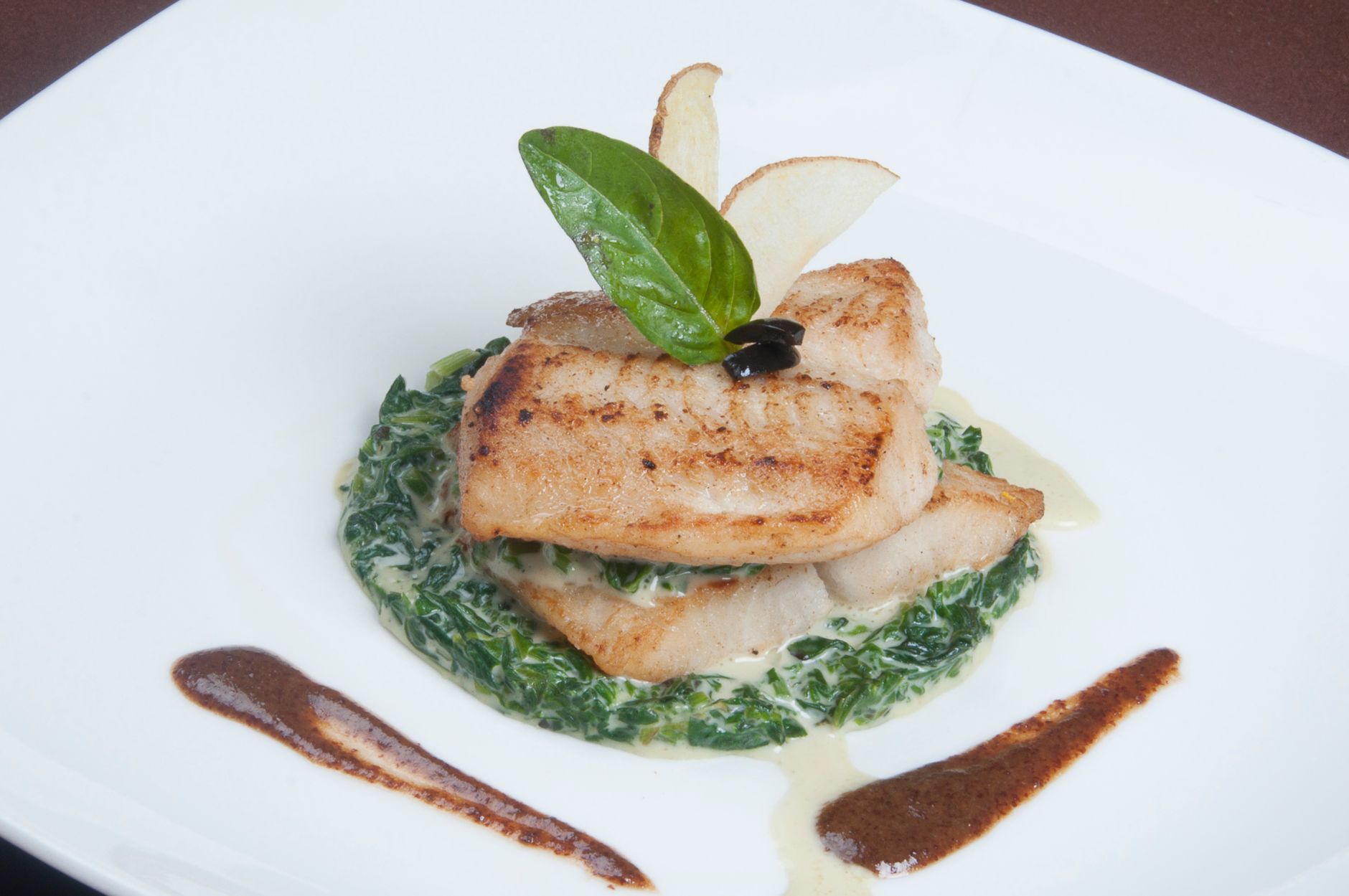
The visual presentation of food has officially moved from a marketing afterthought to a core menu engineering strategy. Modern restaurant goers frequently make purchasing decisions based on how a dish or beverage will look through a smartphone camera lens. Interactive tableside presentations, dramatic color contrasts, and unconventional serving vessels are now standard tools for driving viral attention. Carbonate Insights highlights that dishes designed with high visual impact enjoy a significantly higher re-order rate and generate free organic promotion.
However, balancing aesthetic appeal with operational efficiency remains a delicate balancing act for kitchen managers. Highly complex plating procedures can quickly bottleneck line execution during busy dinner services, leading to longer ticket times and diminished guest satisfaction. Successful operators are finding creative ways to incorporate high-impact visual elements without compromising kitchen speed. Simple touches like table-poured broths, smoking cocktail domes, and vibrant natural food dyes offer maximum visual drama with minimal labor friction.
The non-alcoholic beverage category has officially evolved from a simple health trend into a major profit center for modern bars and restaurants. Young consumers are drinking less alcohol overall, but their expectations for complex, sophisticated beverages remain exceptionally high. Carbonate Insights notes that basic sodas and sugary fruit juices no longer satisfy sober or moderate drinkers who expect the same level of mixology craft found in traditional cocktail programs.
To meet this demand, beverage directors are leveraging advanced culinary techniques to build sophisticated zero-proof drinks. Methods like botanical distillation, rapid infusion, and house-made lacto-fermented syrups are now widely used to create complex mouthfeel and depth. These premium non-alcoholic creations command price points near traditional cocktails, yielding exceptionally high profit margins due to the absence of spirit taxes. Bars that invest in dedicated non-alcoholic menus are capturing higher spend from health-conscious consumers who previously stuck to tap water.
For the everyday consumer, these market shifts translate into a more diverse, interactive, and personalized dining landscape. Restaurant goers can expect to see more specialized late night options, richer cultural narratives on menus, and beverages crafted with unmatched culinary precision. While these premium experiences may carry higher menu prices, the emphasis on quality ingredients and immersive service provides greater overall value for your dining dollar. Staying informed about these operational trends helps you discover the most innovative culinary spots in your area before they go fully viral.
Sources and methodology
Reported from the public datasets below.
- U.S. Census Bureau - Monthly Retail Trade, food services
- Federal Reserve Economic Data (FRED) - Food services and drinking places series
- Bureau of Labor Statistics (BLS) - Consumer Price Index, food away from home
- Bureau of Labor Statistics (BLS) - Consumer Price Index, food away from home
- Federal Reserve Economic Data (FRED) - Food services and drinking places series
- U.S. Census Bureau - Monthly Retail Trade, food services
More from the Foodie Pundit Newsroom
- Grocery Chains Expand Digital Loyalty Perks to Shield Shoppers from Food Inflation
- Japanese Milk Bread Sweeps the UK as Social Media Drives Bakery Craze
- Reports Signal New Restaurant Growth in Jacksonville, But Details Remain Scarce
- How Modern Culinary Trends Are Reshaping Restaurant Economics and Consumer Choices
- Japanese Milk Bread Craze Reshapes UK Specialty Bakery Market