Digital Agriculture Boom Reshapes Fresh Produce Supply Chains for Restaurants
Advanced sensors, robotics, and software are transforming modern farms into automated tech centers, creating a cleaner and more stable supply chain for commerci
By Foodie Pundit Newsroom - Published - Updated - Section: Chain Watch
Key points
- Farms are rapidly adopting autonomous tractors, drones, and sensors to lower labor costs and optimize crop management.
- Precision application of water and chemicals reduces farm overhead while creating cleaner ingredients for foodservice buyers.
- Enhanced environmental monitoring throughout storage and transport significantly reduces post harvest food waste.
- Data traceability from digital farms enables restaurant operators to offer diners verified sustainability claims.
The commercial food supply chain is undergoing a structural transformation as agricultural producers rapidly swap traditional manual farming methods for advanced digital tools. Driven by climate volatility, rising labor costs, and shifting consumer preferences, the modern farm is becoming an automated technology hub. This transition is redefining how ingredients are grown, harvested, and ultimately priced for the hospitality sector.
According to reporting highlighted by EurekAlert, precision agriculture technologies are moving from experimental novelties to mainstream commercial necessities. Farms across North America and Europe are integrating internet of things sensors, autonomous tractors, and machine learning software to optimize crop yields. These digital systems allow growers to monitor soil moisture, nutrient levels, and pest infestations in real time, dramatically reducing operational inefficiencies.
For the restaurant industry, this technological pivot arrives at a critical juncture. Executive chefs and procurement directors have faced years of erratic ingredient availability and volatile wholesale prices caused by extreme weather events and supply chain bottlenecks. Digital farming offers a level of predictability that traditional agriculture struggled to deliver, creating a more stable foundation for menu planning and margin forecasting.
Robotic hardware is taking over some of the most labor intensive aspects of modern crop management. Autonomous tractors guided by high precision positioning systems can navigate fields with millimeter accuracy, planting seeds and tilling soil without human intervention. This automation helps offset the chronic farm labor shortages that have plagued agricultural regions for the past decade.
In addition to heavy field machinery, specialized automated harvesters are being deployed for high value fruit and vegetable crops. These machines use computer vision systems to evaluate the ripeness of individual produce items before harvesting them. By selecting only optimal produce, automated harvesters reduce food waste at the field level and ensure higher consistency in the supply shipped to restaurant distributors.
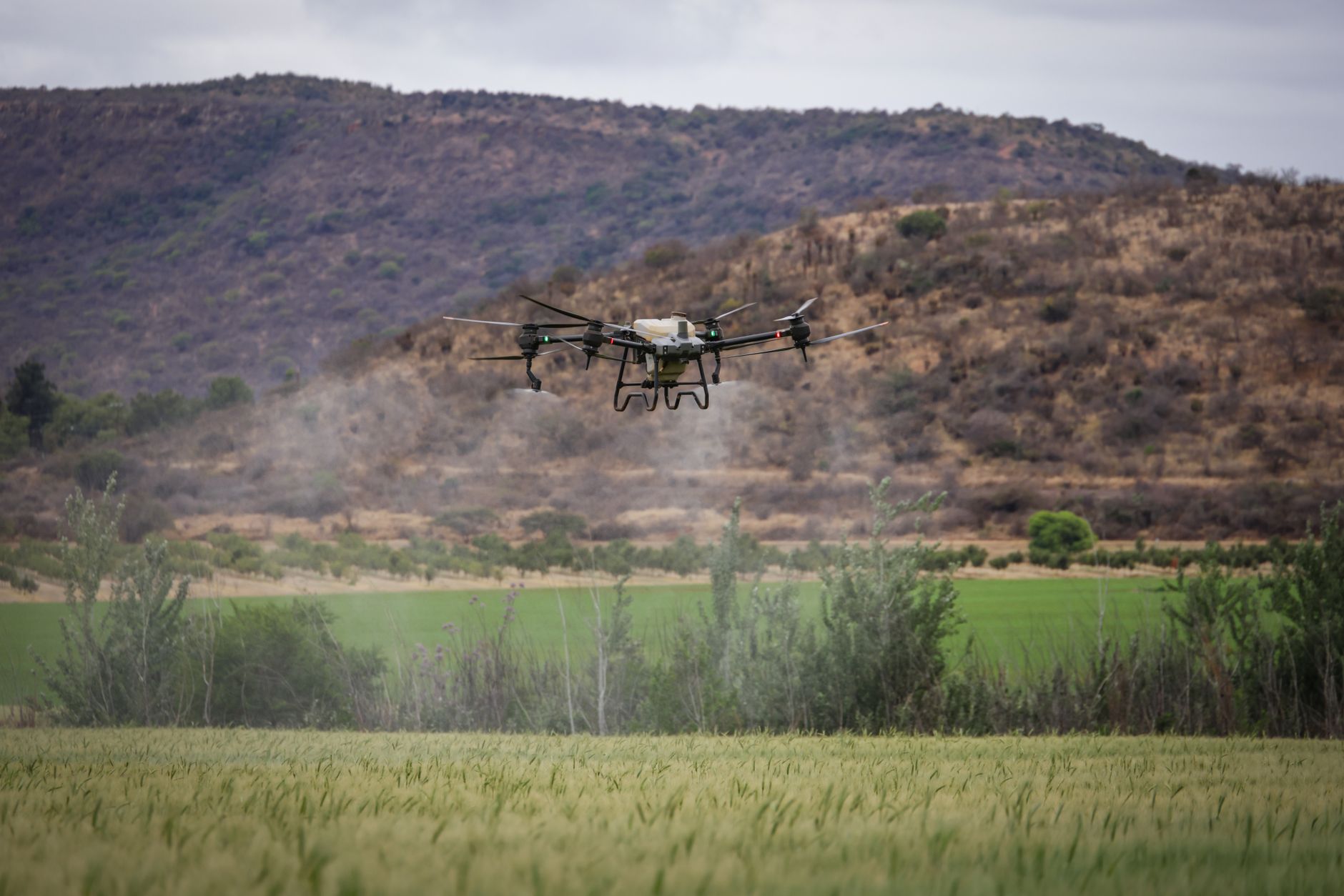
Drones and aerial imagery are also becoming standard tools for large scale crop monitoring. Multispectral cameras mounted on unmanned aerial vehicles can scan hundreds of acres in minutes, identifying stressed plants long before damage becomes visible to the naked eye. Early detection allows farmers to apply targeted treatments, preventing widespread crop loss and preserving market supply volumes.
Beyond heavy machinery, software platforms are changing how agricultural inputs like water, fertilizers, and pesticides are deployed. Traditional farming often relied on uniform field application, which led to significant resource waste and environmental runoff. Modern digital systems enable micro application, treating individual plants based on their specific biological needs.
Soil sensors embedded throughout farmland transmit continuous updates on moisture and chemical composition to centralized management software. Irrigation systems then adjust automatically, delivering precise water amounts to specific field zones. This targeted approach conserves critical water supplies while reducing energy costs associated with pumping groundwater.
Chemical applications are seeing similar efficiency gains through smart spraying technology. Advanced nozzles equipped with optical sensors can distinguish between commercial crops and invasive weeds, applying herbicide only where weeds are actively growing. This selective application cuts chemical use substantially, lowering overhead costs for farmers and helping them satisfy restaurant demands for cleaner, more sustainable ingredients.
The integration of digital technology extends beyond crop cultivation into post harvest handling and logistics. Smart sensors embedded in storage facilities and transport containers monitor temperature, humidity, and ethylene gas levels in real time. Maintaining strict environmental controls delays spoilage during transit, ensuring that delicate produce arrives at commercial kitchens in peak condition.
Data analytics platforms are also helping growers better align their production cycles with commercial demand patterns. By evaluating historical purchasing data alongside current market trends, farmers can adjust planting schedules to match the needs of foodservice buyers. This synchronization minimizes market gluts and shortages, stabilizing farm gate prices over the course of the growing season.
The resulting reduction in farm level food waste directly benefits the environment by lowering greenhouse gas emissions associated with decomposing produce. For hospitality operators, fewer lost crops mean a more resilient supply line for fresh ingredients, reducing the need for emergency menu substitutions or sudden price hikes.
FINANCIAL IMPACTS ON FOODSERVICE PROCUREMENT
While the long term benefits of agricultural digitalization are clear, the initial capital investments required for modern farm equipment remain substantial. High technology adoption costs can create financial pressure for smaller, independent farms that lack the capital of large corporate agribusinesses. Industry analysts note that this cost barrier could accelerate consolidation within the farming sector over the coming decade.
However, the efficiency gains realized by tech forward operations are starting to yield lower unit production costs. Over time, these savings are expected to trickle down to commercial food buyers, dampening the sharp inflation that has impacted produce purchasing budgets. Restaurant chains that build direct relationships with digitized farms may gain a distinct competitive advantage through preferred pricing and guaranteed supply access.
Furthermore, digital farming platforms generate detailed data trails for every batch of produce harvested. This traceability allows restaurants to provide clear information to consumers regarding ingredient origins and environmental footprints. As diners demand greater transparency around sustainability, verifiable farm data becomes a powerful marketing tool for food service brands.
For restaurant owners, operators, and culinary professionals, the digitizing of modern agriculture represents a major shift toward supply chain reliability. As farms automate their field work and optimize resource management, commercial buyers can expect greater consistency in produce quality and sizing. This standardization streamlines kitchen operations, cuts prep times, and reduces ingredient waste inside the restaurant.
Additionally, enhanced crop monitoring and data collection will improve long term price stability for fresh commodities. While adoption costs may cause short term market shifts, the overall increase in agricultural efficiency will help buffer food service operators against climate related supply shocks. Operators should consider auditing their supply chains now to partner with tech enabled distributors who can offer full product traceability and guaranteed environmental standards.
Sources and methodology
Reported from the public datasets below.
More from the Foodie Pundit Newsroom
- Chick-fil-A Eyes Nashville Hot Chicken Trend As Fast Food Spice Wars Heat Up
- RHIG to Launch New Italian Restaurant Concept in Florida
- Fast Food and Casual Dining Chains Launch Aggressive Value Deals to Combat Traffic Slump
- KFC Prepares Unconventional Menu Shift to Drive Curiosity and Customer Traffic
- KFC Prepares Unconventional Menu Shakeup as Fast Food Chains Lean Into Novelty Strategy