Fermented Ingredients Move to Mainstream Menus as Gut Health Drives Culinary Trends
Restaurants and institutional dining halls are leveraging functional gut health and bold tangy profiles to boost margins and satisfy diner demand.
By Foodie Pundit Newsroom - Published - Updated - Section: Health Nutrition
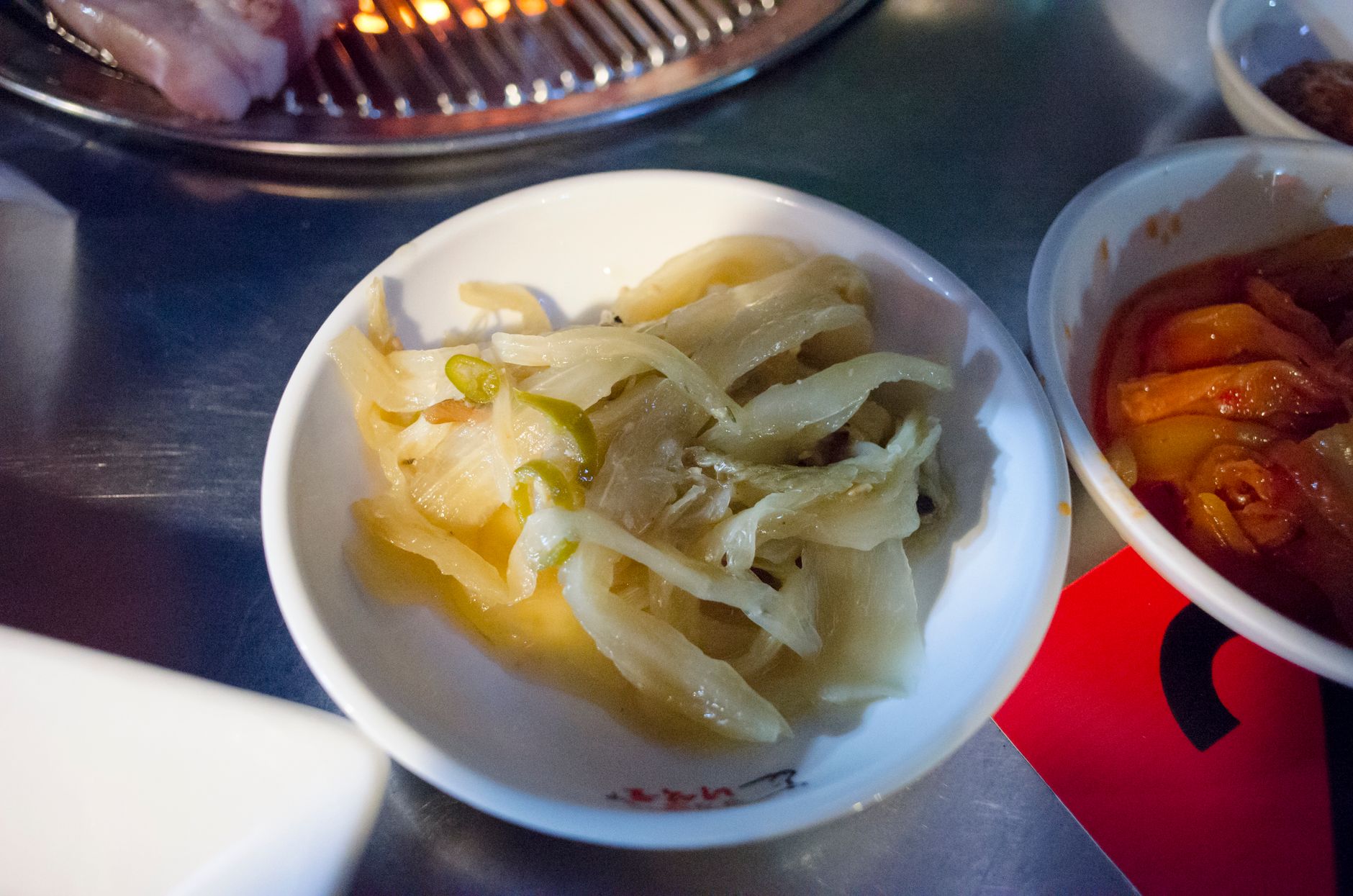
Key points
- Fermentation is transitioning from artisanal kitchens to high-volume fast-casual and institutional food operations.
- Consumer interest in gut health and probiotics is driving strong demand for kimchi, miso, kombucha, and house-made pickles.
- Preservation techniques help restaurant operators reduce kitchen food waste and extend ingredient shelf life during volatile economic conditions.
- Fermented beverages like kombucha and fruit shrubs are successfully capturing market share in the growing non-alcoholic category.
Fermentation is experiencing a massive revival across the commercial foodservice sector as operator interest in gut health, complex flavor profiles, and food waste reduction converges. What was once considered a niche culinary art reserved for artisanal kitchens has rapidly transitioned into mainstream menu strategy. According to recent industry reporting by FoodService Director, dining establishments from university cafeterias to fast-casual chains are actively expanding their use of probiotic-rich ingredients. This shift reflects a broader transformation in how consumers evaluate the value of their meals, prioritizing functional wellness alongside bold taste experiences.
The culinary appeal of fermented ingredients lies in their ability to deliver intense umami and deep acidity without relying heavily on added sodium or heavy fats. Executive chefs are utilizing items like kimchi, kombucha, miso, gochujang, and house-made pickles to transform standard dishes into modern signature offerings. By incorporating these active food cultures, kitchen teams can instantly elevate basic grain bowls, sandwiches, and braised proteins. The resulting tangy, savory notes satisfy the growing public demand for complex, globally inspired flavor combinations that standard seasonings simply cannot replicate.
The surge in menu placement for fermented items is largely propelled by changing consumer health awareness. Modern diners are increasingly educated on the human microbiome and the digestive benefits associated with consuming live microorganisms. This awareness has turned terms like probiotics, prebiotic fiber, and gut health into powerful marketing drivers for restaurant brands. Diners are actively seeking out functional foods that support immunity and digestion, making fermented toppings and sauces an attractive, natural selling point for health-conscious menus.
Beyond the clear health benefits, economic factors are also encouraging restaurant operators to explore traditional preservation techniques. Fermentation provides culinary teams with a reliable method for preserving seasonal produce, thereby extending the shelf life of ingredients and drastically reducing back-of-house organic waste. In an era characterized by volatile food costs and supply chain unpredictability, the ability to ferment surplus vegetables into high-value condiments offers a compelling financial buffer. Operators can stretch their inventory investments while simultaneously crafting proprietary flavors that set their brand apart from competitors.
While high-end independent restaurants originally sparked the contemporary fermentation trend, the commercial scale of this movement is now anchored in non-commercial and fast-casual sectors. University dining programs and corporate campus cafeterias have become primary testing grounds for fermented condiments. Younger demographic groups, particularly Generation Z and Millennials, demonstrate a strong affinity for fermented items like kefir, tempeh, and pickled vegetables. Institutional operators report that adding customizable kimchi bars or probiotic beverage taps directly boosts guest satisfaction metrics.
Fast-casual chains are similarly integrating these components to differentiate their core offerings in a crowded marketplace. Pickled red onions, fermented hot sauces, and miso glaze dressings are becoming standard features on assembly-line menus across the country. These ingredients offer operational efficiency because they are shelf-stable, easy to portion, and require minimal line preparation during active meal rushes. By standardizing fermented recipes, multi-unit brands can deliver consistent, premium flavor experiences without adding operational complexity to labor-strapped kitchens.
The impact of fermentation extends well beyond solid food components and is reshaping beverage programs nationwide. Kombucha has successfully moved from specialty grocery shelves to commercial restaurant taps, serving as a popular non-alcoholic alternative to traditional sodas and beer. Meanwhile, beverage directors are incorporating shrub syrups, which rely on fruit fermented with vinegar and sugar, into craft mocktails and cocktails. These fermented drinks provide a sophisticated, tart profile that aligns with the booming demand for low-alcohol and zero-proof dining options.
In the kitchen, fermented pastes and sauces are replacing traditional heavy dressings and gravies. Miso paste is now regularly whipped into butter, folded into dessert batters, or blended into creamy salad dressings to impart a rich savory depth. Gochujang, a Korean fermented chili paste, has seen explosive growth on burger toppings, chicken wing glazes, and dipping sauces. The unique depth created through extended fermentation allows chefs to build complex layer after layer of taste without cluttering the plate with dozens of individual ingredients.
For everyday diners, the rise of menu fermentation means access to more vibrant, functional, and digestive-friendly food choices whenever you eat out. You can expect to see traditional comfort foods upgraded with tangy kimchi toppings, gut-friendly dressings, and probiotic beverages at your local casual spots and workplace cafeterias. These culinary additions offer a seamless way to incorporate gut-health benefits into your routine meals without sacrificing flavor or paying premium prices at boutique health stores.
For restaurant owners and food service managers, embracing fermented components offers a dual advantage of margin protection and menu distinction. Implementing house-pickling programs or sourcing fermented sauces allows kitchens to minimize ingredient spoilage while commanding higher price points for functional, gourmet offerings. As consumer interest in functional wellness continues to rise, operators who strategically incorporate fermented elements will remain far better positioned to capture market share and foster guest loyalty.
More from the Foodie Pundit Newsroom
- Starbucks investors are worried, your coffee next
- The New Wave of Culinary Tourism: How Indian Cuisine is Driving Experiential Travel
- Uber tells SEC its financial books have a $77B problem
- The Great Grocery Price Reset: Navigating the New Reality of Food Costs
- THE PERSISTENT PLATE PRICE: WHY RESTAURANT BILLS AREN'T SHRINKING