Gen Z Drives Seismic Shift Toward Global Flavors and Plant-Forward Dining
Younger consumers are reshaping food service economics by demanding bold international spices and flexible plant-based options over traditional staples.
By Foodie Pundit Newsroom - Published - Updated - Section: Restaurants
Key points
- Gen Z consumers are actively ditching traditional American staples in favor of adventurous global flavor profiles like chili crisp, gochujang, and zaatar.
- Flexitarian diets are dominating younger demographics, driving demand for innovative plant-centric dishes and whole-food protein alternatives.
- Food service operators and packaged goods brands are rapidly reformulating product lines to maintain relevance with younger, high-value consumers.
A fundamental shift in consumer demographics is reshaping the commercial food industry, forcing operators and package goods manufacturers to rethink their core menus. Recent industry data reported by Food Business News highlights how Generation Z consumers are actively rejecting traditional American comfort foods in favor of complex global spice profiles and plant-centric dietary options. This shift is not merely a passing social media trend, but a structural market evolution driven by shifting population demographics, increased exposure to international digital content, and a heightened awareness of dietary sustainability.
As younger generations gain greater purchasing power, food service operators are discovering that long-standing staples like basic cheeseburgers, simple fried chicken sandwiches, and standard pasta dishes no longer yield the same reliable traffic. Instead, younger diners are actively seeking hyper-regional flavors, fermented ingredients, and spicy condiments that reflect authentic culinary traditions from around the globe. To capture this expanding market share, culinary research teams across the country are racing to reformulate staple products and introduce bolder menu items that cater specifically to these evolving palates.
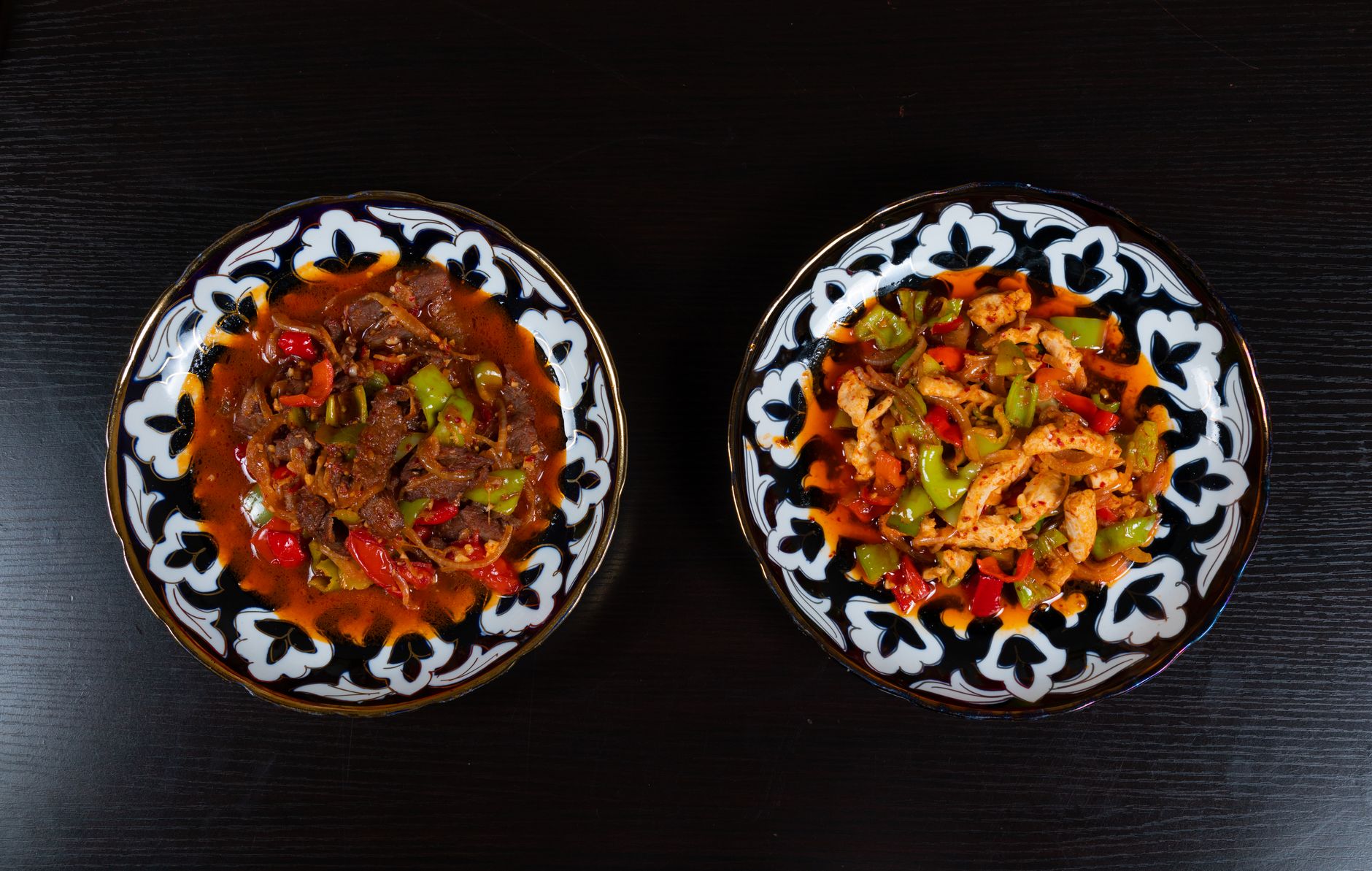
The demand for authentic international cuisines has moved far beyond mainstream fusion concepts into highly specific regional applications. Gen Z consumers are demonstrating a strong preference for ingredients like East Asian chili crisp, Middle Eastern zaatar, West African habanero blends, and Korean gochujang. According to reporting from Food Business News, this demographic views global flavor exploration as a primary form of everyday entertainment and cultural expression.
Food service analysts note that this generation grew up with unprecedented access to global food cultures through digital platforms, which normalized complex flavor profiles at an early age. Consequently, standard American condiments like traditional ketchup, basic yellow mustard, and simple mayonnaise are seeing declining engagement among younger cohorts. In response, quick-service and fast-casual restaurant chains are introducing limited-time offers that feature fiery, savory, and umami-rich sauces designed to satisfy these adventurous palates without requiring a complete overhaul of underlying operational frameworks.
Alongside the push for intense global spices, the mainstreaming of plant-based eating continues to reshape product development strategies. Unlike previous generations who viewed vegetarian options primarily as restrictive medical or weight-management diets, younger consumers approach plant-centric eating with an emphasis on flavor, sustainability, and personal wellness. This generational mindset treats meat alternative dishes not as compromised substitutes, but as standalone culinary experiences worthy of celebration in their own right.
Industry reporting emphasizes that Gen Z is far more likely to identify as flexitarian, meaning they intentionally reduce their animal protein intake without committing to strict veganism. This flexible eating style creates a massive market opportunity for food manufacturers and restaurant chains that offer innovative vegetable-forward dishes. Whole-food plant options such as marinated tofu, lentils, mushrooms, and spiced chickpeas are gaining significant traction, often outperforming heavily processed first-generation meat analogs that attempted to mimic real beef or chicken.
Integrating these adventurous, plant-forward offerings creates both distinct opportunities and operational hurdles for commercial kitchens. Line cooks and kitchen managers must adapt to handling a wider array of specialized ingredients, distinct prep protocols, and complex spice blends. Additionally, sourcing authentic global ingredients can introduce supply chain vulnerabilities that require purchasing managers to establish alternative vendor relationships to maintain consistent menu pricing.
Despite these operational hurdles, early adopters in the fast-casual sector are reaping substantial rewards. Operators that successfully execute global flavor integrations report higher average check sizes and stronger brand loyalty among younger demographics. Furthermore, adding robust plant-based options helps eliminate veto votes among dining groups, ensuring that mixed-diet social gatherings choose venues that can adequately accommodate every individual preference without forcing anyone to settle for a bland side salad.
The consumer demand for adventurous eating extends well beyond restaurant dining rooms and into the retail grocery store aisle. Consumer packaged goods manufacturers are rapidly updating their product portfolios to include global snack foods, ready-to-eat meals, and specialty cooking sauces aimed at home cooks seeking quick, flavorful solutions. Grocery buyers are reallocating shelf space away from conventional canned goods and toward high-impact sauces, dynamic meal kits, and premium frozen entrees featuring authentic global recipes.
This retail transformation reflects a permanent change in how young adults approach home meal preparation. Rather than cooking complex multi-ingredient recipes from scratch every night, many young consumers assemble rapid meals using high-quality pre-made global sauces over simple grains, vegetables, and plant proteins. Food brand strategists emphasize that companies failing to adapt to these convenient yet flavor-forward consumer expectations risk losing long-term relevance as older demographics decline in relative purchasing power over the next decade.
For everyday consumers, this market transformation translates directly into broader, more exciting choices on restaurant menus and grocery shelves alike. You can expect to see an increasing variety of bold, globally inspired sauces, dynamic spice blends, and satisfying plant-based entrees available at your local eateries and supermarket aisles without paying specialized boutique prices.
For restaurant operators and food business owners, adapting to these changing consumer preferences is rapidly becoming a commercial necessity rather than an optional marketing exercise. Integrating authentic global condiments and elevated plant-centric offerings into existing menu structures allows operators to capture lucrative Gen Z foot traffic, maintain competitive average check sizes, and future-proof their brands in an increasingly dynamic marketplace.
Sources and methodology
Reported from the public datasets below.
More from the Foodie Pundit Newsroom
- How Restaurant Operators Are Upgrading Desserts to Boost Profit Margins
- How Gen Z Dining Habits Are Reshaping Restaurant Menus and Food Manufacturing
- Spicy Season Signals Potential Menu Shifts for Major Fast Food Chicken Chains
- Major Restaurant Chains Shift Strategy to Aggressive Value Menus Amid Traffic Slowdown
- How Green Ag-Tech Innovations Are Securing The Commercial Food Supply Chain