Gen Z Grazing Trends Redefine Dining as Low Effort Snack Boards Replace Cooking
A viral social media movement reveals changing consumer habits as young adults trade traditional cooked dinners for effortless, aesthetic snack boards.
By Foodie Pundit Newsroom - Published - Updated - Section: Desserts Snacks
Key points
- Viral social media trends have normalized low-effort snack boards as legitimate evening meals for busy young adults.
- Shift in dining behavior reflects rising demands for daily convenience, cost management, and reduced kitchen labor.
- Food manufacturers and grocers are adapting by highlighting pre-packaged dips, specialty cheeses, and single-serve components.
- Nutritionists suggest prioritizing protein, fiber, and whole foods to ensure grazing plates remain balanced and healthy.
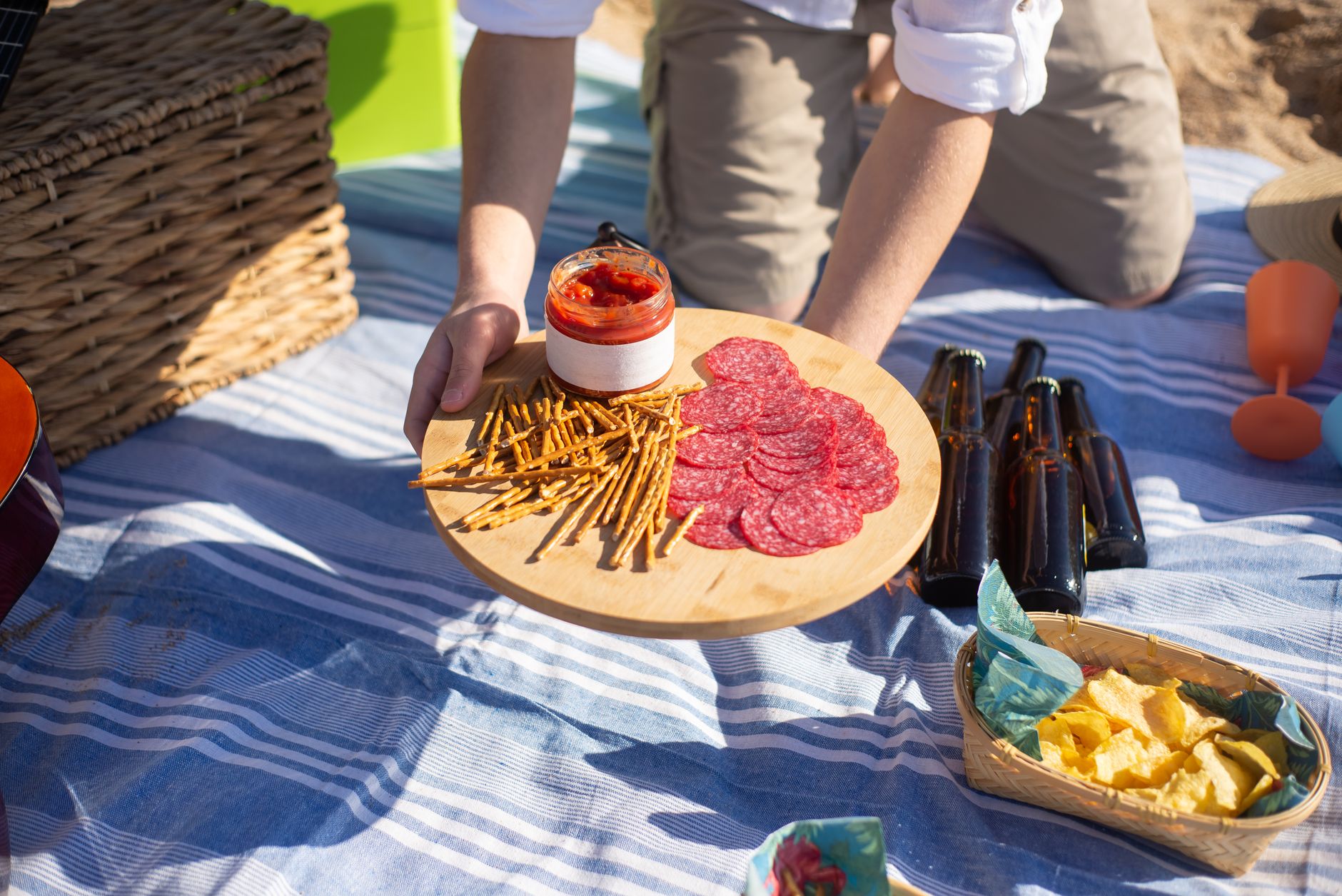
Social media feeds are flooded with images of mismatched plates featuring blocks of sharp cheddar, a handful of almonds, half a sleeve of crackers, a solitary hard-boiled egg, and a spread of pickled vegetables. What used to be considered an impromptu late-night pantry raid has morphed into a full-blown cultural phenomenon known as girl dinner. The trend, which gained massive momentum on TikTok, celebrates low-effort, highly customized assemblies of snack foods consumed as a primary evening meal.
While the concept of eating small bites for dinner is hardly new, its rapid rise across digital platforms highlights a distinct shift in how younger consumers, particularly Gen Z and Millennials, view traditional meal formats. Rather than following rigid structures that require cooking, recipes, and structured sides, this minimalist dining style prioritizes convenience, aesthetic appeal, and emotional satisfaction. According to reporting by TODAY.com, the phenomenon has captured millions of views, turning everyday pantry staples into shareable content that resonates with tired consumers seeking respite from daily chores.
The explosive popularity of snack-focused dining is not merely an internet fad. It reflects deeper changes in consumer lifestyle patterns, labor dynamics, and household economics. As working hours remain demanding and inflation continues to impact grocery bills, many young adults are abandoning the labor-intensive process of preparing traditional home-cooked dinners. The physical and mental effort required to plan recipes, shop for multi-ingredient meals, cook, and wash dishes can feel overwhelming after a long workday.
As noted in coverage from TODAY.com, the trend validates the idea that an assembly of disparate ingredients can constitute a complete, satisfying meal. There are no strict culinary rules governing these spreads. A typical plate might pair high-end artisanal items like prosciutto and brie with budget-friendly comfort foods like potato chips or gummy candy. This juxtaposition allows individuals to tailor their plates to exact personal cravings while minimizing waste and reducing overall time spent in the kitchen.
THE ECONOMIC IMPACT ON GROCERY AND FOODSERVICE
For food manufacturers, grocery retailers, and restaurant operators, the normalization of casual snacking as a main meal presents significant business opportunities. Consumer packaged goods companies are paying close attention to how these grazing habits influence purchase decisions. Sales of pre-sliced cheeses, charcuterie meats, dips, specialty crackers, and preserved goods have seen sustained interest as shoppers seek components to build their own custom spreads at home.
Grocers are increasingly responding by optimizing store layouts and marketing strategies around convenient, single-serve options. End-cap displays featuring curated combinations of olives, spreads, and artisanal crackers make it easy for time-strapped consumers to grab building blocks for an effortless plate. Food service operators are also taking note by offering expanded small-plates menus, tapas selections, and customizable app boards that mimic the diversity and casual nature of home grazing.
NUTRITIONAL PERSPECTIVES AND HEALTH CONSIDERATIONS
Nutrition experts and dietitians have weighed in on the trend with mixed but generally balanced perspectives. On one hand, assembling a meal from various whole food components can offer a rich diversity of nutrients. A well-rounded plate containing lean proteins, complex carbohydrates, healthy fats, and fresh fruits or vegetables provides balanced nourishment without requiring extensive kitchen skills.
On the other hand, health professionals caution against relying exclusively on highly processed snack foods that are elevated in sodium and saturated fats. Because these meals are often assembled spontaneously without strict measurements, portion control and nutritional balance can vary widely. Dietitians emphasize that the key to maintaining health while embracing low-effort dining lies in intentional choices, ensuring that fiber, protein, and micro-nutrients are adequately represented on the plate alongside indulgences.
PSYCHOLOGICAL FREEDOM AND SENSORY SATISFACTION
Beyond the practical benefits of convenience and cost savings, there is a strong psychological component driving the adoption of grazing dinners. Psychologists note that traditional cooking standards can induce performance anxiety or guilt, especially when individuals live alone or lack advanced culinary confidence. Assembling a visual plate of favorite treats removes the pressure to perform in the kitchen, turning dinner into a stress-free form of self-care.
Furthermore, eating a variety of small bites offers high sensory satisfaction. Human sensory-specific satiety suggests that consuming different textures, temperatures, and flavor profiles, such as pairing salty with sweet or crunchy with creamy, can make a meal feel more fulfilling even if the overall volume of food is modest. This sensory variety helps satisfy diverse cravings in a single sitting, leaving diners feeling psychologically content without feeling weighed down.
The broader rise of casual, snack-based dining signals a permanent shift toward personal autonomy in food culture. You do not need to spend hours in the kitchen or follow elaborate recipes to enjoy a satisfying, nutritious evening meal. Embracing a grazing plate allows you to save time, reduce food waste, and lower your grocery costs by utilizing pantry odds and ends.
To make this trend work effectively for your daily routine, focus on balance and quality. Keep your pantry stocked with shelf-stable staples like nuts, canned fish, whole-grain crackers, and legumes, alongside fresh produce and protein options in the fridge. By intentionally selecting a mix of nutrient-dense foods alongside your favorite comfort items, you can create effortless meals that fit seamlessly into a busy modern lifestyle while supporting your health and budget.
Sources and methodology
Reported from the public datasets below.
More from the Foodie Pundit Newsroom
- How 2026 Flavor Trends Are Reshaping Restaurant Margins Today
- Raising Cane's Eyes Miami as Florida Expansion Gains Steam
- Nestle Secures Full Control of Aimmune Therapeutics in Major Allergy Health Science Push
- Wholesale Price Bounce Threatens Recent Relief on Grocery Bills
- Nestle Acquires Allergy Tech Pioneer to Lead Specialized Health Market