Gen Z Redefines Dining Priorities with Global Spices and Whole Plant Foods
Younger diners are abandoning traditional menu staples in favor of authentic international heat and vegetable-forward options.
By Foodie Pundit Newsroom - Published - Updated - Section: Restaurants
Key points
- Gen Z is driving a permanent shift away from traditional American staples toward authentic global spices and regional flavor profiles.
- Younger diners prefer whole, chef-driven plant foods over heavily processed meat substitutes.
- Restaurant operators are using modular menus and complex sauces to maximize profit margins while satisfying flexitarian demands.
The dining landscape is undergoing a fundamental shift as Generation Z establishes its purchasing power in the food and beverage industry. According to industry analysis originally highlighted by Food Business News, younger consumers are actively walking away from traditional American comfort staples in favor of complex global spice profiles and sophisticated plant-based alternatives. Restaurants across the country are facing immediate pressure to reformulate menus to capture this demographic, which prioritizes bold sensory experiences and perceived sustainability over low prices.
For decades, casual dining operators relied on simple core items like classic cheeseburgers, French fries, and mild poultry dishes to drive reliable foot traffic. That formula is rapidly losing efficacy among consumers born between the late 1990s and early 2010s, who have grown up with unprecedented access to global culinary media. This generation views food not merely as fuel, but as a form of cultural exploration and personal identity, leading them to demand authentic, high-impact flavor profiles even during routine weekday meal occasions.
The demand for intense and unfamiliar spices is central to this transition. Traditional hot sauce offerings are no longer sufficient to satisfy younger diners, who actively seek out specific regional pastes and spice blends such as gochujang, harissa, zaatar, and chili crisp. These ingredients provide dynamic layers of heat, acidity, and umami that make standard menu items feel dated by comparison. Kitchen operators are responding by incorporating these components into marinade bases, finishing drizzles, and dipping sauces across all service categories.
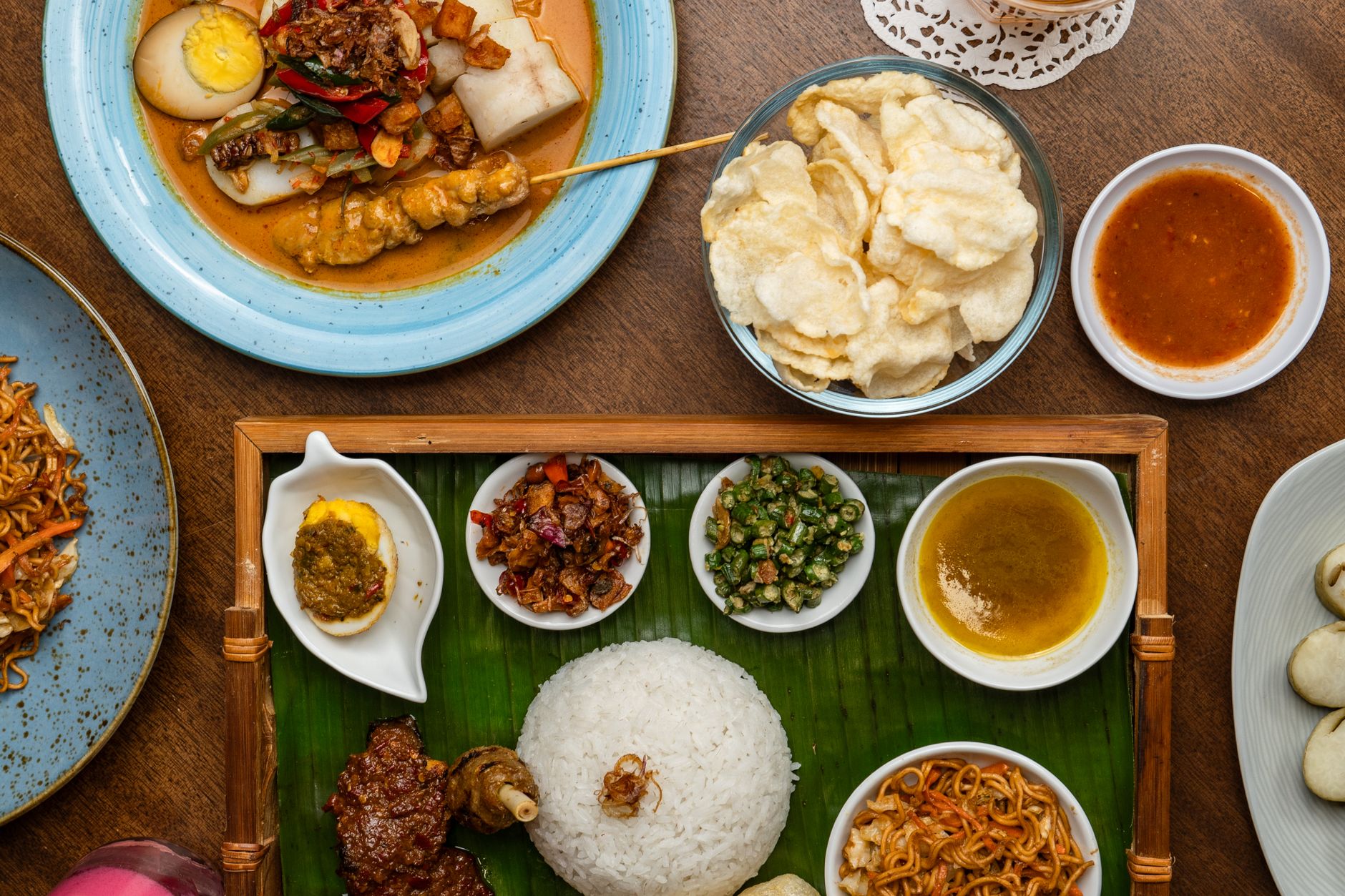
The appetite for global culinary traditions extends well beyond simple hot peppers. Gen Z consumers express a strong preference for Southeast Asian, West African, Middle Eastern, and regional Latin American flavor foundations. These food cultures inherently feature vibrant herbal notes, fermented elements, and complex spice layering that appeal directly to modern taste preferences. As a result, concepts that lean into these authentic regional techniques are seeing far stronger engagement than traditional, cross-category fusion concepts of the past.
Concurrently, the plant-based sector is experiencing a significant evolution driven by Gen Z purchasing behavior. While earlier cohorts embraced highly processed meat substitutes designed to mimic beef or pork precisely, younger diners are increasingly gravatating toward dishes that celebrate whole vegetables, legumes, and grains. They prefer menus featuring grilled oyster mushrooms, spiced lentils, and charred brassicas over lab-engineered patties that rely on heavy sodium and binders to simulate animal protein.
This preference stems from a combination of environmental concerns, health consciousness, and a desire for better culinary execution. Gen Z views flexitarianism as a default lifestyle choice rather than a strict diet, opting to reduce animal consumption without committing to total veganism. When they do choose plant-based options, they expect those options to stand on their own merit as delicious dishes rather than serving as compromised alternatives to traditional meat items.
The convergence of global spice demands and plant-based expectations is forcing restaurant operators to reevaluate their supply chains and inventory strategies. Sourcing authentic regional spices and fresh specialty produce requires building new vendor relationships, often at higher procurement costs. However, operators who successfully integrate these ingredients frequently find that plant-forward dishes yield favorable margin profiles compared to expensive center-of-the-plate proteins like beef and seafood.
Menu architecture is also being radically streamlined to accommodate these shifting preferences. Forward-thinking establishments are designing modular menus where dynamic spice blends and house-made sauces can be applied interchangeably to both animal and plant proteins. This operational flexibility allows kitchens to maintain lower inventory counts while giving younger guests the total customization and flavor intensity they desire.
The long-term survival of many mid-scale restaurant brands will depend on how quickly they adapt to these changing consumer expectations. Establishments that fail to update their flavor profiles risk losing relevance among a generation that will soon represent the largest slice of discretionary dining spending. Conversely, operators who lean into global authenticity and high-quality plant-forward cooking are gaining early market share and building strong brand loyalty among younger cohorts.
As culinary boundaries continue to blur, regional chains and independent restaurants alike must treat global spices and plant-based offerings as core elements of their identity rather than temporary seasonal promotions. The shift away from legacy menu items is not a passing trend, but a permanent structural realignment of the American palate driven by a highly connected and culinary-literate generation.
As a consumer, you can expect to see significantly more vibrant, diverse, and plant-forward options on standard restaurant menus over the coming months. Chain restaurants will continue replacing mild, generic sauces with regional specialty spices, making high-impact global flavors accessible across all price points. Furthermore, vegetarian options will become far more creative and satisfying, evolving beyond simple side salads or processed soy patties into primary, chef-driven entrees that offer great value and exceptional taste.
Sources and methodology
Reported from the public datasets below.
More from the Foodie Pundit Newsroom
- Restaurant Value Wars Escalate as Major Chains Unveil Aggressive Discount Campaigns
- How Internet Culinary Trends Are Reshaping Restaurant Economics and Retail Supply Chains
- Mapping Grocery Price Disparities Across American Supermarket Aisles
- Menu Dynamics Shift Toward Global Flavors and Portable Formats in 2024 Forecast
- Japanese Restaurant and Lounge Nagi Planned for Former Gen X Tavern Space in Tampa