GLP1 Weight Loss Drugs Alter Restaurant Menu Strategies and Consumer Cravings
Popular weight loss medications are fundamentally altering consumer palates, forcing restaurant chains to rethink portions, flavor profiles, and menu structures
By Foodie Pundit Newsroom - Published - Updated - Section: Glp1 Weight Loss
Key points
- GLP1 medications reduce hedonic cravings for sugar, fat, and alcohol by blunting brain reward pathways.
- Dining behavior is shifting toward smaller portion sizes, lean proteins, and acid forward flavor profiles.
- Restaurants are introducing modular bowls, half portions, and premium mocktails to protect check averages.
- Supply chains face higher food costs as demand swings from cheap carbohydrates to fresh produce and high quality proteins.
A fundamental shift is underway across the American food service landscape as GLP1 receptor agonists continue their rapid adoption. Originally developed to treat type 2 diabetes, medications such as semaglutide and tirzepatide have captured widespread consumer attention for their pronounced weight loss effects. Beyond simple calorie reduction, these therapies alter fundamental sensory perceptions and psychological cravings, forcing restaurant operators to reevaluate long held assumptions about consumer taste profiles.
Reporting by Food Industry Executive highlights how the physiological mechanics of these medications disrupt traditional dining behaviors. By mimicking human gut hormones, the drugs delay gastric emptying and signal fullness directly to the brain. More significantly for the culinary sector, they blunt the mesolimbic dopamine pathway, which governs reward processing and hedonic eating. As a result, foods high in refined sugars and saturated fats lose much of their historical appeal for millions of active patients.
The immediate impact on menu item performance is becoming measurable across both casual dining and quick service chains. Diners utilizing GLP1 therapies consistently report an aversion to heavy, greasy, or excessively sweet offerings. Items that once served as high margin indulgence drivers, such as fried appetizers, loaded entrees, and rich desserts, are seeing diminished velocity among this demographic. Instead, consumer preference is swinging sharply toward clean, protein dense meals and highly fresh, acidic flavors.
Beyond flavor preferences, overall portion size expectations are undergoing a drastic transformation. The average adult on a GLP1 regimen consumes between twenty and thirty percent fewer total daily calories. When these individuals visit restaurants, traditional entree sizes often prove overwhelming, leading to increased table waste or an outright reluctance to order multiple courses. Operators are observing a noticeable shift toward shared plates, side dishes, and smaller starter portions functioning as full meals.
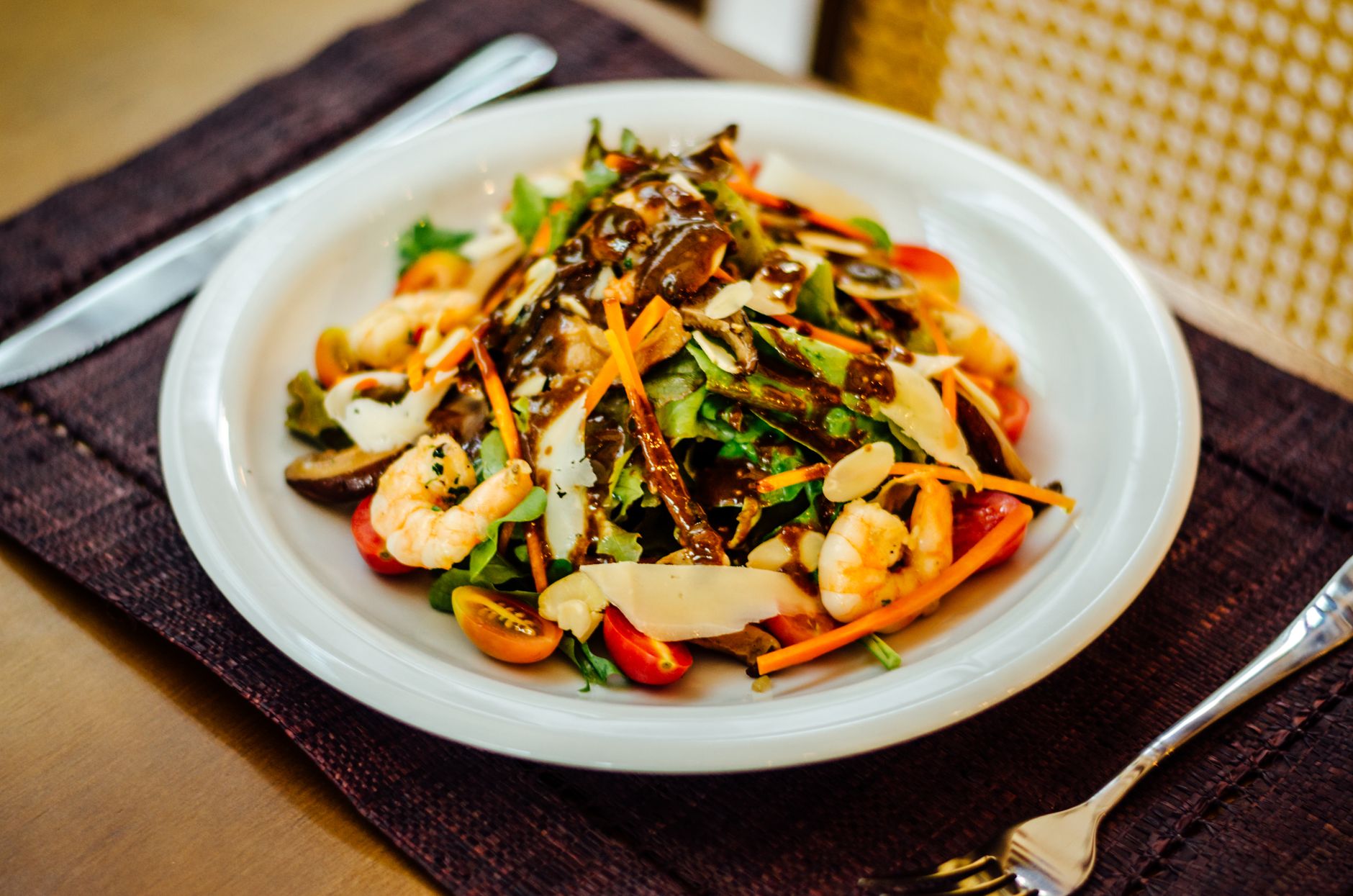
To protect foot traffic and check averages, research and development chefs are actively adjusting their culinary strategies. Major fast casual networks have begun testing streamlined menu concepts that emphasize lean proteins, fiber rich whole grains, and fermented ingredients. Acidic taste profiles, including citrus marinades, pickled vegetables, and herb forward dressings, are proving highly popular because they stimulate dulled palates without causing digestive discomfort.
Portion architecture is similarly being rethought from the ground up. Rather than relying solely on standard large entrees, forward thinking establishments are introducing tiered sizing options. Half portions, modular protein bowls, and curated snack menus allow guests to tailor their intake precisely to their reduced appetite capacity. This structural flexibility prevents diners from feeling alienated by oversized offerings while preserving the social experience of dining out.
The beverage sector faces its own distinct set of challenges and opportunities as GLP1 adoption expands. High sugar sodas, decadent milkshakes, and heavy dessert cocktails are experiencing a pronounced drop in interest among medicated consumers. Furthermore, because GLP1 drugs modulate reward centers in the central nervous system, many users report a spontaneous decrease in alcohol cravings, leading to lower per head spend on beer, wine, and spirits.
In response, beverage directors are doubling down on functional non alcoholic alternatives and premium low sugar options. Sophisticated mocktails infused with botanicals, sparkling waters with natural essence, and high protein iced teas are rapidly filling the void left by traditional high calorie drinks. These offerings allow restaurants to maintain lucrative beverage margins while catering directly to the evolving health priorities of their clientele.
The economic ripple effects of these changing consumption patterns extend across the entire restaurant supply chain. Food service operators must manage lower overall volume sales per cover while facing pressure to source higher quality, fresh ingredients. Because lean proteins and fresh produce typically carry higher base costs than refined carbohydrates and fried goods, kitchen cost control requires precise inventory management and minimal waste protocols.
However, industry analysts note that this shift also presents a compelling upsell environment. Consumers on GLP1 regimens are often willing to spend more per bite on premium quality, nutrient dense ingredients. Restaurants that successfully pivot toward high end seafood, grass fed meats, and artisanal produce can command higher price points per item, effectively offsetting the reduction in total food volume sold per transaction.
As a consumer, you can expect to see significantly more versatile and customizable menu layouts at your favorite dining spots in the coming months. Restaurants will increasingly feature smaller portion options, functional protein additions, and brighter, acid driven flavor profiles across all categories. Premium non alcoholic beverages and refined side dishes will become standard highlights rather than afterthought additions.
For food industry professionals, adapting to the GLP1 revolution requires immediate structural adjustments to menu engineering and purchasing workflows. Emphasizing high quality ingredients, flexible portion sizing, and digestive friendly flavor combinations will be essential to retaining customer loyalty. Establishments that proactively align their offerings with these shifting biological cravings will secure a distinct competitive advantage in an evolving market.
Sources and methodology
Reported from the public datasets below.
- Bureau of Labor Statistics (BLS) - Consumer Price Index, food away from home
- Federal Reserve Economic Data (FRED) - Food services and drinking places series
- U.S. Census Bureau - Monthly Retail Trade, food services
- Bureau of Labor Statistics (BLS) - Consumer Price Index, food away from home
- Federal Reserve Economic Data (FRED) - Food services and drinking places series
- U.S. Census Bureau - Monthly Retail Trade, food services
More from the Foodie Pundit Newsroom
- Millennial Purchasing Power Reaches Critical Mass to Reshape Retail and Restaurant Supply Chains
- How Viral Video Trends Are Forcing Quick Adjustments in Restaurant Menu Development
- UK Grocery Inflation Tops European Leaderboards As Household Baselines Shift
- The Commercial Impact of Michelin Guide 2024 Star Additions
- Eggboy Arrives in Atlantic Beach With Custom-Built Space