High Concept Sweets Replace Comfort Classics as Bakery Operators Pursue Higher Ticket Averages
Commercial bakeries and casual dining operators are revitalizing classic pastry menus to boost gross margins and satisfy consumer demand for complex, visual con
By Foodie Pundit Newsroom - Published - Updated - Section: Desserts Snacks
Key points
- Bakery operators are replacing standard brownies and simple drop cookies with multi-textured, highly formatted layered creations.
- Visual appeal and social media shareability have become primary requirements for modern dessert menu engineering.
- Complex flavor matrices featuring global ingredients, acid, and savory elements are superseding simple sweet profiles.
- Kitchens are deploying modular prep strategies and blast freezing to manage labor costs while serving elevated items.
The commercial baking industry is undergoing a structural shift as operators move away from traditional, low-margin comfort classics toward premiumized, visually arresting elevated concepts. According to recent trade analysis from Bake Magazine, bakery operators and casual dining groups are actively reimagining legacy formulations to capture higher ticket sizes and appeal to modern consumer demands. Standard chocolate brownies and simple drop cookies are no longer sufficient drivers of foot traffic in an increasingly competitive foodservice landscape. Instead, multi-textured, highly formatted baked goods are taking center stage in product development pipelines across North America.
This evolution is driven largely by the convergence of rising ingredient costs, shifting consumer demographic preferences, and digital visual culture. As labor and overhead expenses remain elevated, culinary directors must maximize the profitability of every inventory item. Transforming standard baseline recipes into premium visual showcase items allows venues to justify higher price points while maintaining core production efficiencies. Rather than reinventing operational workflows, smart operators are applying modern finishing techniques, unexpected flavor pairings, and complex textural elements to existing menu foundations.
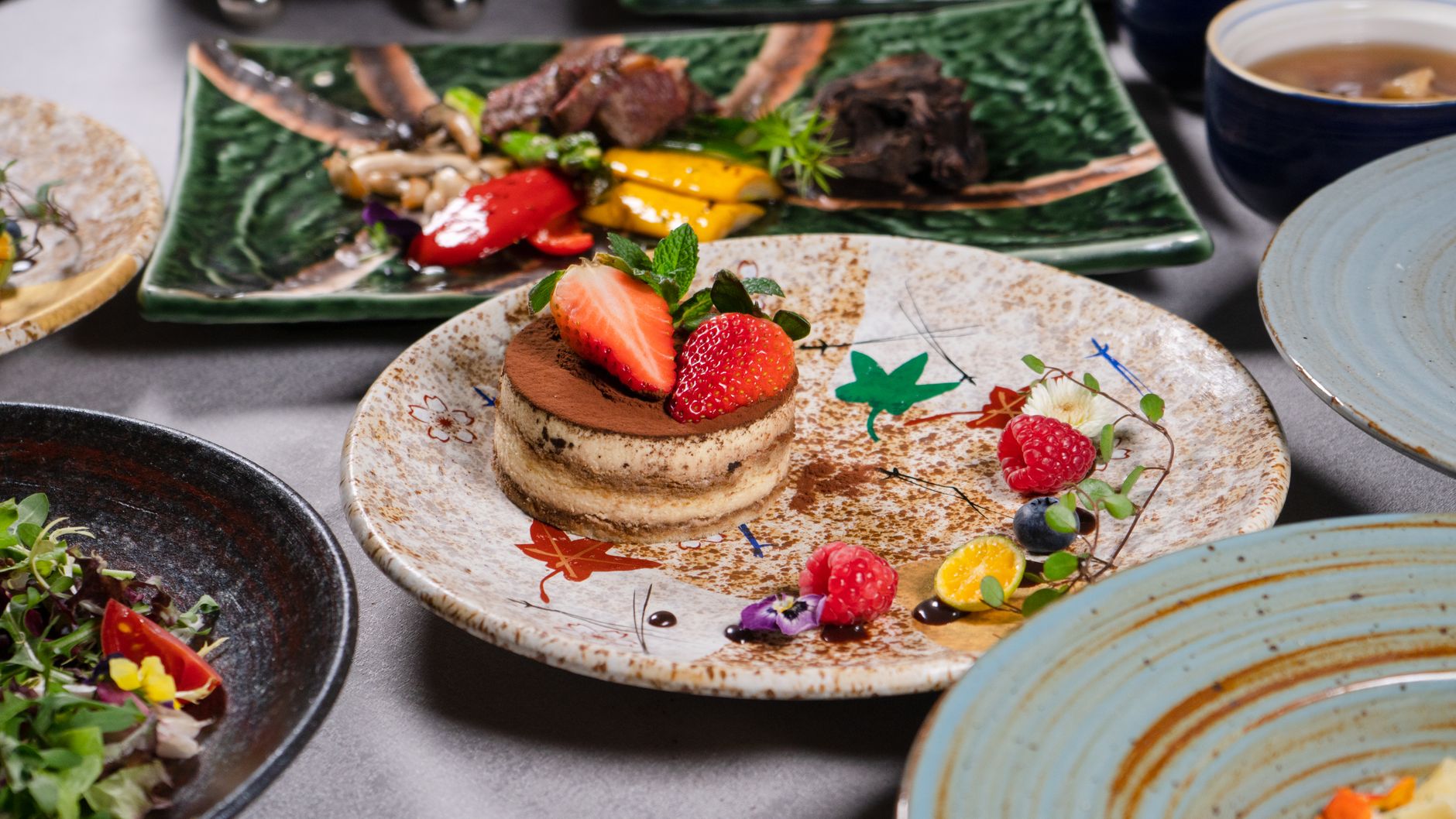
The primary vehicle for this menu transformation is the visual and structural upgrading of traditional treats, a process industry insiders refer to as a product makeover. In place of a standard single-density brownie, modern pastry kitchens are engineering layered creations that incorporate contrasting components. Multi-layer bars featuring salted caramel crisp layers, valrhona chocolate ganache coatings, and botanical infusions are rapidly replacing basic cut sheet pans. These structural modifications create a more engaging sensory experience while providing distinct visual separation that translates exceptionally well to digital platforms.
Similar innovations are reshaping the retail cookie category, which has seen explosive growth in the high-end segment. Traditional chocolate chip and oatmeal raisin varieties are giving way to oversized, stuffed, and decorated cookies that function as standalone indulgence experiences. Bakeries are utilizing specialized filling machinery and hand-finishing techniques to insert soft ganaches, fruit compotes, and ambient creams directly into the center of the dough. The resulting product commands a significant price premium over standard ambient bakery offerings, boosting gross margins for independent and chain operators alike.
Visual presentation has shifted from a secondary consideration to a core functional requirement in modern menu design. Social media platforms continue to dictate consumer discovery habits, making the aesthetic appeal of a dessert directly proportional to its marketing potential. Bake Magazine highlights that products with high contrast colors, unique geometric shapes, and dramatic internal cross-sections generate significantly higher organic consumer engagement. As a result, commercial kitchens are investing in specialized molds, metallic dusts, and colorful natural glazes to enhance the initial visual impact of their baked goods.
This focus on visual dynamics extends to the service style and presentation geometry of plated items. Restaurants are abandoning simple rimmed plates in favor of custom stoneware, elevated pedestals, and interactive table-side finishing touches. Elements like hot poured sauces, tableside smoking domes, and torch-finished meringues transform a standard course into a shareable event. By creating a multi-sensory experience, operators successfully elevate the perceived value of the item, directly addressing consumer hesitations around discretionary dining spend.
While visual presentation captures initial consumer attention, long-term operational success depends heavily on sophisticated flavor execution. Simple sweetness is giving way to complex flavor matrices that combine acid, salt, and herbal notes to balance rich fat profiles. Tropical fruit infusions, such as passionfruit, yuzu, and pink guava, are increasingly utilized to cut through heavy creams and dark chocolates. Additionally, savory elements like miso, browned butter, smoke, and chili heat are becoming standard additions to modern pastry larders.
The integration of global flavor influences also reflects a broader demographic shift among core restaurant patrons. Younger consumers consistently express a high willingness to experiment with unfamiliar taste combinations, provided they are delivered in an approachable format. Incorporating ingredients like cardamom, black sesame, ube, and matcha into familiar structures like croissants or tarts allows operators to innovate without alienating conservative diners. This balanced approach to recipe development minimizes operational risk while expanding the general appeal of the dessert menu.
OPERATIONAL EFFICIENCY AND MARGIN PROTECTION
Implementing complex, elevated items requires precise balance between kitchen labor costs and component preparation times. Successful operators rely on modular prep strategies, creating versatile base components that can be customized across multiple menu applications. A single batch of specialized fruit gelée or infused pastry cream can be deployed across tarts, layer cakes, and choux pastries, minimizing ingredient cross-contamination and inventory holding costs. By standardizing base prep while varying final assembly, kitchens achieve high-end output without proportional increases in skilled labor expenses.
Furthermore, frozen prep techniques and thaw-and-serve component strategies have advanced significantly in quality. High-end bakeries and commercial dining rooms routinely utilize blast freezing to preserve the structural integrity and moisture levels of complex baked bases. This enables batch production during low-volume hours, optimizing labor allocation throughout the operational week. The final finishing, glazing, and garnishing are performed immediately prior to service, ensuring maximum freshness and visual sharpness for the guest.
For everyday consumers, this industry-wide focus on elevated menu items means higher quality, more imaginative options when dining out or visiting local bakeries. While menu prices for sweet treats may trend higher, the overall value proposition is improving through superior ingredients, complex flavor balance, and enhanced visual presentation. Diners can expect fewer generic options and more signature, site-specific creations designed to deliver a memorable experience.
For foodservice operators, updating pastry strategies offers a clear path toward protecting operating margins in a challenging economic environment. By focusing on multi-textured builds, vibrant visual contrast, and efficient cross-utilization of premium ingredients, kitchens can drive check averages while managing labor constraints. As consumer expectations continue to evolve, the businesses that successfully balance artistic innovation with tight operational control will secure the strongest market position.
Sources and methodology
Reported from the public datasets below.
More from the Foodie Pundit Newsroom
- Beyond Pop Culture: How South Korea's Viral Street Food is Reshaping Global Fast-Casual Dining
- How Optimizing Your Dinner Schedule Unlocks Better Metabolic Health
- Turning Point Restaurants Poised to Open New Wellington Location
- Gen Z Redefines Industry Trends With Bold Flavors and Fluid Dining Habits
- The Business and Economics of Viral Social Media Cooking Trends