How Fermented Foods Are Reshaping Restaurant Menus and Kitchen Economics
As consumer interest in digestive health grows, restaurant operators are leveraging fermented ingredients to boost menu profitability and flavor complexity.
By Foodie Pundit Newsroom - Published - Updated - Section: Restaurants
Key points
- Fermentation allows chefs to build complex umami and acid flavor profiles while promoting gut health benefits.
- Operators utilize fermentation to reduce produce waste and extend the shelf life of seasonal inventory.
- House-fermented sauces and condiments help restaurants create signature menu items that build customer loyalty.
- Implementing in-house fermentation programs requires strict adherence to local food safety and pH monitoring protocols.
THE RISE OF FERMENTED INGREDIENTS ON MODERN MENUS
Restaurant operators across the United States are increasingly turning to fermented foods to elevate their offerings and appeal to health-conscious diners. From fine dining establishments to quick-service chains, ingredients like kimchi, kombucha, miso, and house-made pickles are shifting from niche specialty items into mainstream culinary staples. According to reporting from FoodService Director, this culinary movement is driven by a powerful combination of consumer interest in gut health, a desire for bold flavor profiles, and operational advantages related to food preservation.
Fermentation is one of the oldest food preservation techniques in human history, relying on natural micro-organisms like bacteria and yeast to convert carbohydrates into alcohol or organic acids. While traditional food service models previously favored fresh or quick-pickled alternatives for consistency, modern chefs are embracing true microbial fermentation. This shift allows kitchens to build complex, tangy, and savory umami flavors without relying heavily on added sodium, sugar, or synthetic flavor enhancers.
As consumer awareness around the human microbiome expands, diners are actively seeking out foods rich in naturally occurring probiotics. Functional dining has evolved from a subtle dietary trend into a dominant driver of guest preferences. Patrons increasingly view their dining choices through the lens of wellness, making active-culture ingredients a major selling point on contemporary menus.
CULINARY VERSATILITY AND FLAVOR DIVERSITY
The application of fermented ingredients extends far beyond traditional side dishes or simple condiments. Innovative culinary teams are integrating fermented elements into every stage of the dining experience, including appetizers, main courses, desserts, and craft beverage programs. Miso paste, for instance, is frequently used to add depth to roasted vegetables, butter sauces, and glaze reductions, providing a rich savory character that elevates simple produce.
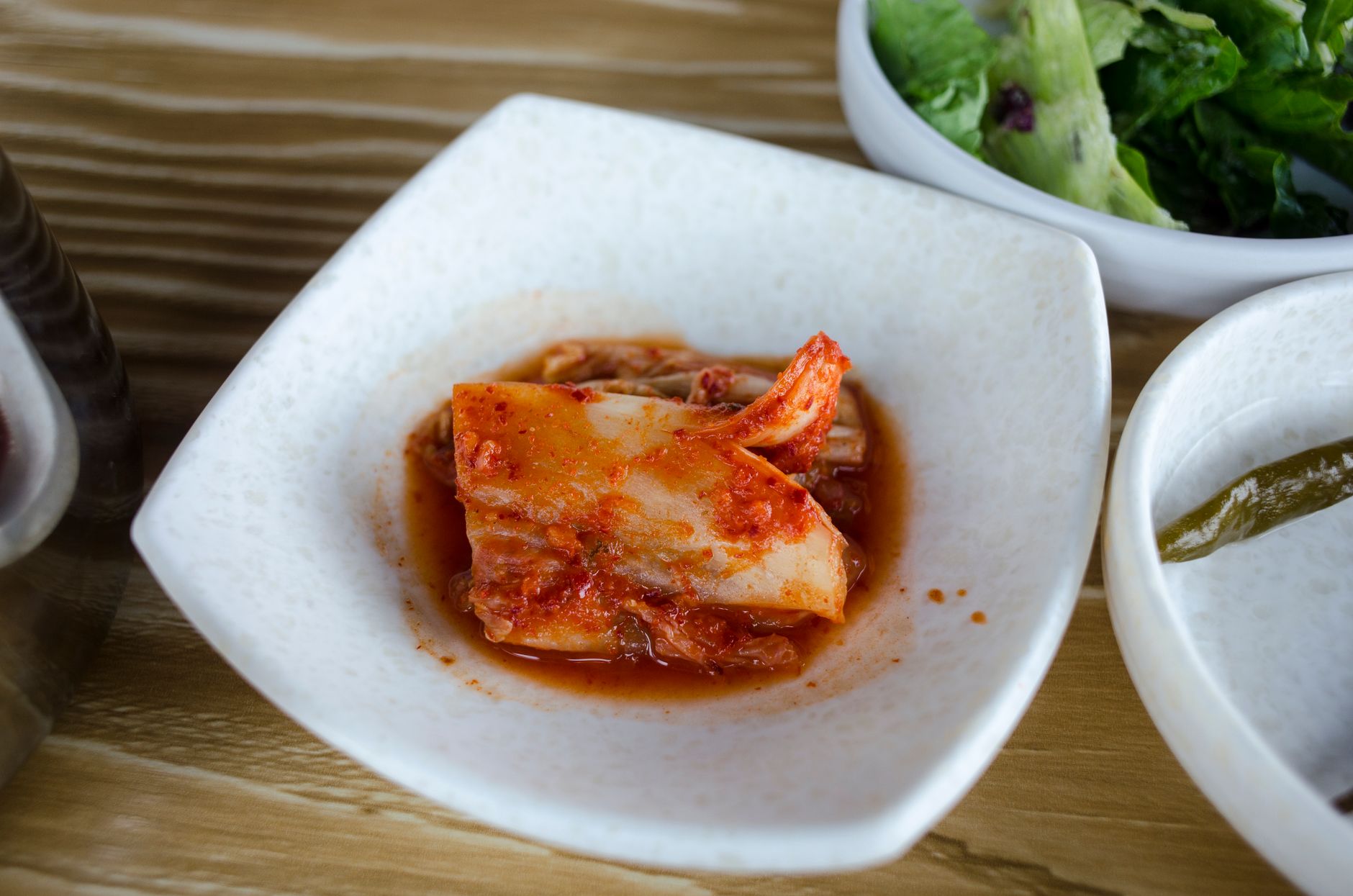
Global traditions are playing a major role in this menu evolution. Korean kimchi and gochujang have established a firm foothold on American menus, appearing in items ranging from upscale grain bowls to fast-casual tacos and burgers. European staples such as sauerkraut and lacto-fermented fruits are also being repurposed in creative ways, offering sharp acidity that cuts through heavy meats and rich cheeses.
Beverage programs are experiencing a parallel transformation driven by fermented options. Kombucha, a fermented sweet tea, is now widely available on tap in dining rooms, serving as a popular non-alcoholic alternative to beer or wine. Additionally, bartenders are utilizing house-fermented fruit syrups, shrub vinegars, and kefir bases to create complex zero-proof cocktails that appeal to guests seeking sophisticated drink options without alcohol.
OPERATIONAL AND ECONOMIC BENEFITS FOR KITCHENS
Beyond consumer demand, the adoption of fermented foods offers distinct economic and logistical benefits for restaurant operators. In an era characterized by rising food costs and supply chain volatility, fermentation provides an effective strategy for reducing kitchen waste and extending the shelf life of seasonal ingredients. Produce that might otherwise spoil can be preserved through lacto-fermentation, transforming potential surplus into high-value pantry items.
Fermentation also enables back-of-house teams to develop signature house-made products that differentiate their brand from competitors. A house-fermented hot sauce, custom kimchi, or signature cultured butter provides a unique flavor profile that guests cannot replicate at home or find at neighboring establishments. This culinary uniqueness helps build customer loyalty and supports premium menu pricing.
Furthermore, building a robust library of fermented ingredients allows chefs to streamline line assembly while maintaining high quality. Because fermented items are prepared and aged well in advance, they can be plated quickly during busy meal rushes. A spoonful of cultured relish or a drizzle of fermented chili oil instantly adds complex layers of flavor to a dish with minimal labor required during service hours.
NAVIGATING CHALLENGES AND REGULATORY COMPLIANCE
Despite the clear benefits, implementing an in-house fermentation program requires careful planning, specialized training, and strict adherence to food safety standards. Managing active microbial cultures demands precise environmental control over variables such as temperature, humidity, salinity, and pH balance. Without proper oversight, unwanted wild molds or harmful pathogens can ruin batches and pose safety risks.
Health departments and regulatory agencies maintain strict guidelines regarding commercial food fermentation to ensure consumer safety. Restaurant operators must typically develop detailed Hazard Analysis Critical Control Point plans, commonly known as HACCP plans, before offering house-fermented items to the public. These protocols require staff to meticulously monitor and log pH levels, fermentation times, and storage temperatures.
To manage these operational hurdles, many food service operations choose to partner with commercial producers who specialize in high-quality, artisanal fermented goods. By sourcing pre-packaged fermented products from reliable vendors, operators can capitalize on the flavor and health trends without investing significant labor into managing live cultures on site. Whether produced in-house or sourced externally, fermented foods have firmly established their place in modern dining.
For everyday consumers, the expansion of fermented foods on restaurant menus means access to bolder, more complex flavors alongside tangible wellness benefits. As chefs continue to experiment with traditional preservation techniques, diners can expect more varied and interesting dishes that support digestive health without sacrificing taste.
For restaurant operators, integrating fermented elements represents a strategic opportunity to boost profitability, minimize food waste, and meet growing consumer demand for functional ingredients. Embracing these time-tested culinary techniques allows businesses to elevate their brand identity while navigating the economic pressures of the modern hospitality industry.
Sources and methodology
Reported from the public datasets below.
More from the Foodie Pundit Newsroom
- Beyond Meat Expands Redesigned Product Line to Grocery Stores Nationwide
- New On-Site Dining Confirmed at Just-Opened Drury Plaza Hotel in Brandon
- Taco Bell Brings Back Grande Burrito for Limited-Time Value Run
- McDonald's Overhauls Flagship Big Mac As Fast Food Quality Wars Heat Up
- KFC Prepares Major Menu Shakeup With Unexpected Surprise Item