How Fermented Ingredients Are Driving Menu Innovation and Margin Expansion
Restaurants are embracing ancient preservation techniques to boost digestive health marketing and drive profit margins with complex, umami-rich ingredients.
By Foodie Pundit Newsroom - Published - Updated - Section: Restaurants
Key points
- Fermentation allows restaurant operators to extend shelf life and significantly reduce back-of-house food waste.
- Global ingredients like kimchi, miso, and tepache are shifting from specialty markets into mainstream fast-casual and fine-dining menus.
- The functional beverage market is expanding rapidly as non-alcoholic, probiotic drinks command high profit margins.
- Managing food safety and batch consistency remains the top challenge for high-volume kitchen fermentation programs.
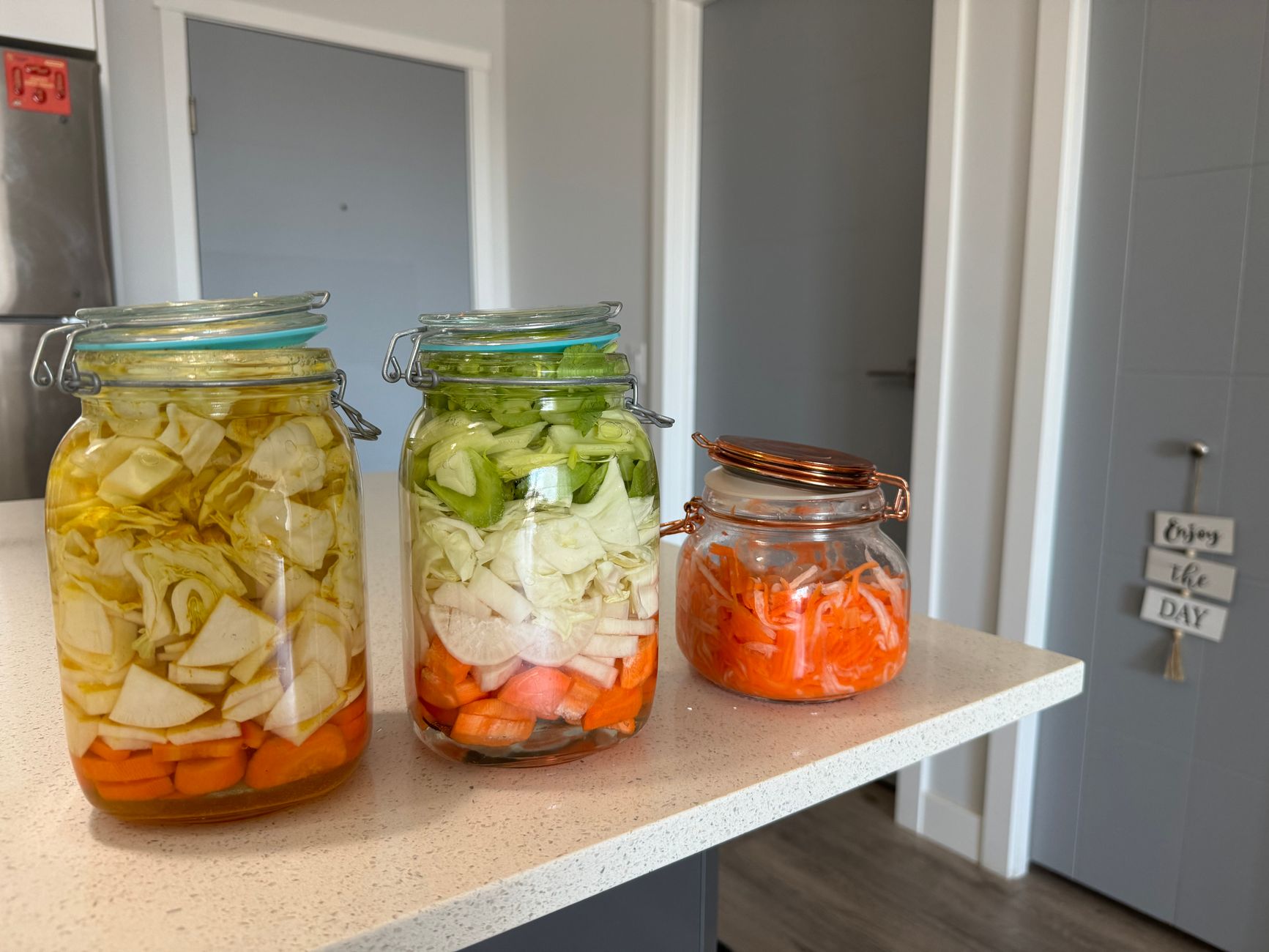
Restaurant menus across the United States are undergoing a quiet transformation, driven by a growing consumer obsession with digestive wellness and complex taste profiles. From independent fine-dining establishments to fast-casual chains, operators are rapidly expanding their use of fermented ingredients. What was once considered a niche culinary art form anchored by traditional pickles and sourdough is now a mainstream strategy to drive margin and flavor.
According to reporting from FoodService Director, culinary teams are leaning heavily into fermentation to satisfy diner demand for functional foods. The trend spans a wide variety of global formats, including Korean kimchi, Japanese miso, Mexican tepache, and Eastern European kefir. By incorporating these items into everyday dishes, restaurants are bridging the gap between indulgence and health conscious dining.
At its core, fermentation relies on beneficial micro-organisms to convert carbohydrates into alcohols or organic acids. This natural process acts as a preservation technique while creating deep, complex umami flavors that are difficult to replicate through standard cooking methods. The resulting lactic acid and probiotic compounds offer tangible health benefits, particularly regarding gut microbiome health and improved nutrient absorption.
For chefs, the primary appeal of fermented ingredients lies in their ability to elevate basic dishes without adding excessive sodium, sugar, or synthetic additives. A simple vinaigrette transformed with a splash of fermented kombucha vinegar or a burger topped with house-fermented chilies offers a distinct sensory experience. The tangy, savory depth achieved through controlled spoilage provides an instant upgrade to standard menu items.
OPERATIONAL ADVANTAGES FOR RESTAURANT OPERATORS
Beyond consumer demand, the economics of fermentation make it an attractive proposition for commercial kitchens facing tight margins and rising wholesale food costs. Fermentation is fundamentally an ancient preservation method designed to extend the shelf life of perishable agricultural products. Kitchens can purchase bulk produce at peak seasonality when prices are low and preserve those ingredients for use throughout the entire year.
This shelf stability directly reduces back-of-house food waste, which remains one of the largest profit drains in the food service industry. Trim from vegetables, surplus herbs, and excess dairy can be diverted into crock systems to create proprietary hot sauces, garums, and cultured butter. These signature ingredients help build brand identity while simultaneously lowering raw material costs per plate.
The current wave of menu innovation draws heavily from long standing cultural traditions that have mastered fermentation over centuries. Latin American fermented beverages like tepache, made from fermented pineapple rinds, are finding new life on modern cocktail and mocktail lists. Similarly, fermented soybean pastes like miso and doenjang are being integrated into Western sauces, glazes, and dessert programs to add unexpected savory notes.
Korean cuisine has played an exceptionally prominent role in normalizing fermented foods for American consumers. Kimchi, once restricted to ethnic grocery stores and specialty restaurants, is now routinely featured on mainstream fusion dishes like kimchi fries, fried chicken sandwiches, and breakfast hashes. The familiar heat combined with sour fermentation notes appeals directly to adventurous younger demographics seeking bold flavor combinations.
While food menus are seeing steady integration, the non-alcoholic beverage category is experiencing explosive growth driven almost entirely by fermented liquids. Kombucha led the initial charge, establishing space in restaurant grab-and-go coolers and eventually earning dedicated tap lines alongside craft beer. Today, liquid options have expanded to include water kefir, shrubs, and fermented botanical tonics that market low sugar content and active probiotic cultures.
These functional beverages carry high perceived value, allowing operators to charge premium price points while maintaining low pour costs. As consumers cut back on traditional alcoholic drinks, fermented non-alcoholic alternatives offer sophisticated, complex flavor profiles that feel like a treat rather than a compromise. Diners are increasingly willing to pay seven or eight dollars for a draft fermented tonic that supports digestive health.
CHALLENGES IN SCALING KITCHEN FERMENTATION
Despite the overwhelming benefits, integrating active fermentation into high-volume restaurant operations presents real logistical hurdles. Controlled fermentation requires strict monitoring of temperature, humidity, and salinity levels to ensure food safety and consistency across batches. A single rogue batch of fermented vegetables can alter the targeted flavor profile or ruin an entire product line if harmful pathogens enter the environment.
Consequently, many operators choose to partner with commercial food distributors and regional craft producers rather than maintaining in-house programs. Purchasing pre-packaged, pasteurized, or shelf-stable fermented products eliminates safety risks and labor overhead, though it can sacrifice some of the live probiotic benefits found in unpasteurized batches. Larger chains typically opt for commercially prepared fermented pastes and sauces to guarantee uniform quality across hundreds of locations.
For everyday diners, the rapid spread of fermented foods means that healthy choices no longer require a sacrifice in taste. You can expect to encounter richer, more complex flavor profiles across all dayparts, from morning yogurt bowls to late-night craft cocktails. These menu additions make it easier to support your digestive health while enjoying meal out at your favorite local spot or national chain.
For restaurant owners and food service managers, embracing fermented ingredients offers a proven pathway to boost profit margins while attracting health conscious consumers. Investing in staff training or building relationships with regional fermenters can turn low-cost ingredients into high-value menu drivers. As the focus on gut health continues to dominate consumer wellness trends, fermentation will remain a permanent, lucrative fixture of the culinary landscape.
Sources and methodology
Reported from the public datasets below.
More from the Foodie Pundit Newsroom
- The Science Behind Snack Boards and Why Casual Grazing May Benefit Gut Health
- New Dunedin Restaurant, Origen, Helmed by Food Network Winner
- Gut Check: How Fermented Ingredients Are Reshaping Restaurant Profitability
- How Millennial Purchasing Power Is Permanently Reshaping Restaurant Menus and Grocery Aisles
- The Ice Cream Croissant Emerges as the Dominant Restaurant Dessert Trend of the Season