How Girl Dinner and Snack Board Culture are Reshaping Restaurant Economics
The viral social media dining trend is reshaping menu design, kitchen labor costs, and grocery supply chains across the food industry.
By Foodie Pundit Newsroom - Published - Updated - Section: Desserts Snacks
Key points
- The viral girl dinner trend reflects a structural shift away from traditional three component entrees toward flexible, snack based dining.
- Restaurant operators are leveraging small plates and grazing boards to reduce kitchen labor costs and lower food spoilage rates.
- Grocery retailers and packaged food brands are redesigning product lines to cater to the growing demand for aesthetic, low effort evening meals.
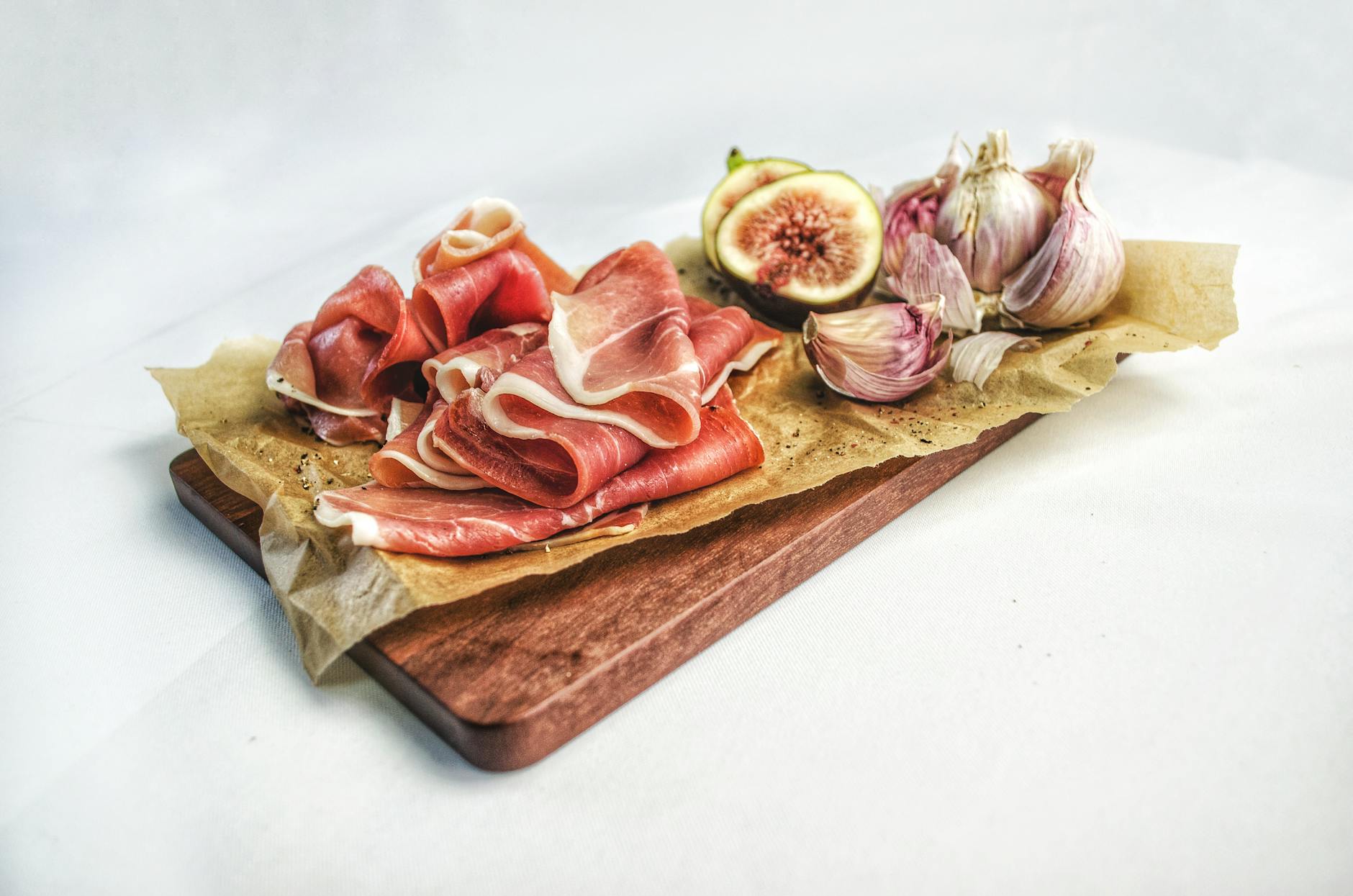
The social media viral phenomenon known as girl dinner has transformed from a quirky video trend into a genuine cultural and economic force within the food service industry. Originating on short form video platforms where young consumers posted casual spreads of incongruous snacks, the trend highlights a massive shift in how younger demographics view evening dining. Rather than assembling traditional three component meals consisting of a protein, a starch, and a vegetable, diners are opting for low effort assemblages of pantry staples, cold cuts, cheeses, fruits, and condiments. Reporting from TODAY.com notes that the aesthetic appeal of these curated snack boards has propelled the concept into mainstream pop culture, making it a dominant topic among culinary marketers.
Beyond the social media algorithms, the girl dinner trend reflects deep underlying changes in consumer behavior, grocery purchasing habits, and restaurant economics. For decades, the food industry built its supply chains and menu structures around the standard concept of a center of the plate entree. However, economic pressures, rising food costs, and shifting work patterns have led consumers, particularly Gen Z and Millennials, to reconsider the necessity of elaborate home cooking or expensive sit down dining. A board composed of disparate, pre-packaged snacks allows individuals to customize their meal experience while minimizing prep time, utility costs, and potential food waste.
The hospitality industry has taken notice of this behavioral pivot and is actively restructuring traditional menus to capitalize on the snack board craze. Casual dining chains, neighborhood bistros, and high end lounges are increasingly featuring customizable charcuterie spreads, small plate samplers, and deconstructed grazing boards designed to mimic the viral aesthetic. By offering elevated versions of simple snack components, restaurants can capture the interest of patrons who desire the social, aesthetic experience of dining out without committing to a heavy, costly entree.
This strategic shift provides significant financial benefits for food service operators navigating high labor costs and wholesale food inflation. Grazing boards and assembled snack plates typically feature cold items or pre-cured ingredients that require minimal kitchen labor and very little actual cooking time. Line cooks can assemble these dishes rapidly, improving table turnover rates and reducing reliance on skilled, expensive kitchen staff. Furthermore, ingredients like artisan cheeses, cured meats, nuts, and pickled vegetables carry long shelf lives, drastically reducing food spoilage compared to fresh seafood or raw meats.
THE SUPPLY CHAIN IMPLICATIONS OF GRAZING CULTURE
The retail grocery sector is experiencing a parallel transformation as consumer demand for snackable options continues to climb. Food manufacturers and specialty food distributors report increased interest in single serve deli items, specialty crackers, artisanal spreads, and packaged dips. Grocery retailers are responding by reorganizing their perimeter aisles, placing premium cheeses and cured meats closer to grab and go sections to facilitate impulse buys for quick evening meals.
This evolution in purchasing behavior aligns with broader trends in household demographics and urban living arrangements. With single person households on the rise and busy remote work schedules blurring the lines between work and leisure time, traditional meal preparation can feel inefficient for many young adults. Snack boards offer a highly personalized dining solution that eliminates the burden of complex cooking while still delivering a sense of culinary variety and visual satisfaction.
MARKETING TO THE AESTHETIC DRIVEN CONSUMER
The rapid rise of this dining trend underlines the powerful influence of visual social platforms on modern food consumption patterns. Consumers are no longer driven solely by taste, price, or convenience; visual presentation and shareability play a decisive role in what people choose to eat. Brands that successfully package their products to fit this social media friendly aesthetic gain immediate visibility among younger demographics who view their food choices as an extension of their personal identity.
Food marketers are leaning heavily into this dynamic by launching targeted campaigns that explicitly reference snack boards and grazing culture. Cereal brands, canned fish producers, and specialty preserve manufacturers have all aligned their messaging with the low effort, high aesthetic appeal of casual dining spreads. By framing everyday pantry staples as premium components of a curated evening board, brands can justify higher price points and drive consumer trial across diverse product categories.
While the trend continues to enjoy massive commercial success, industry analysts and nutritionists have sparked a wider debate regarding its long term impact. Some critics question whether normalizing snack assemblies as primary meals undermines balanced nutrition and promotes irregular eating habits. However, culinary historians point out that grazing across small, cold items is hardly new; European tapas cultures, meze spreads, and Scandinavian smorgasbords have relied on similar dining principles for centuries.
Ultimately, the phenomenon represents a modern, westernized adaptation of communal grazing tailored for the digital age. As inflation continues to dictate consumer spending habits, the low cost flexibility of snack based meals will likely remain a permanent feature of the food landscape. Restaurant operators and food manufacturers who successfully integrate these low labor, high margin offerings into their business models will be best positioned to capture market share in an increasingly fragmented industry.
For the average consumer, the rise of elevated snack board dining offers greater permission to embrace flexible, low stress meal preparation without sacrificing quality or fun. You can expect to see more restaurants offering affordable, highly customizable small plate options that allow you to sample a wider variety of flavors without paying for full sized entrees. In grocery stores, you will likely notice an expanded selection of pre-portioned specialty meats, cheeses, and dips designed specifically for effortless assembly at home. Choosing grazing spreads over traditional complex meals can help you manage your household food budget, reduce waste from unused ingredients, and save valuable time on busy weeknights.
Sources and methodology
Reported from the public datasets below.
More from the Foodie Pundit Newsroom
- New Peruvian Restaurant, The Nazca Lines, to Open in Longwood
- New Brazilian Steakhouse Heats Up Miami Dining Scene
- Fast Food Giants Turn To Aggressive Value Menus To Drive Store Traffic
- Essenza Italian Eatery & Market Prepares Dual Concept in Fort Lauderdale
- Borough Market Unveils Major Redevelopment Plan Featuring Anchor Restaurant and Infrastructure Upgrades