How GLP-1 Appetite Suppressants Are Forcing a Complete Overhaul of Food Industry Strategy
Rising adoption of appetite-suppressing medications is forcing food manufacturers, grocers, and restaurants to overhaul product lines and menu designs.
By Foodie Pundit Newsroom - Published - Updated - Section: Glp1 Weight Loss
Key points
- GLP-1 medications are significantly reducing consumer demand for ultra-processed snacks and high-sugar items, altering retail purchase baskets.
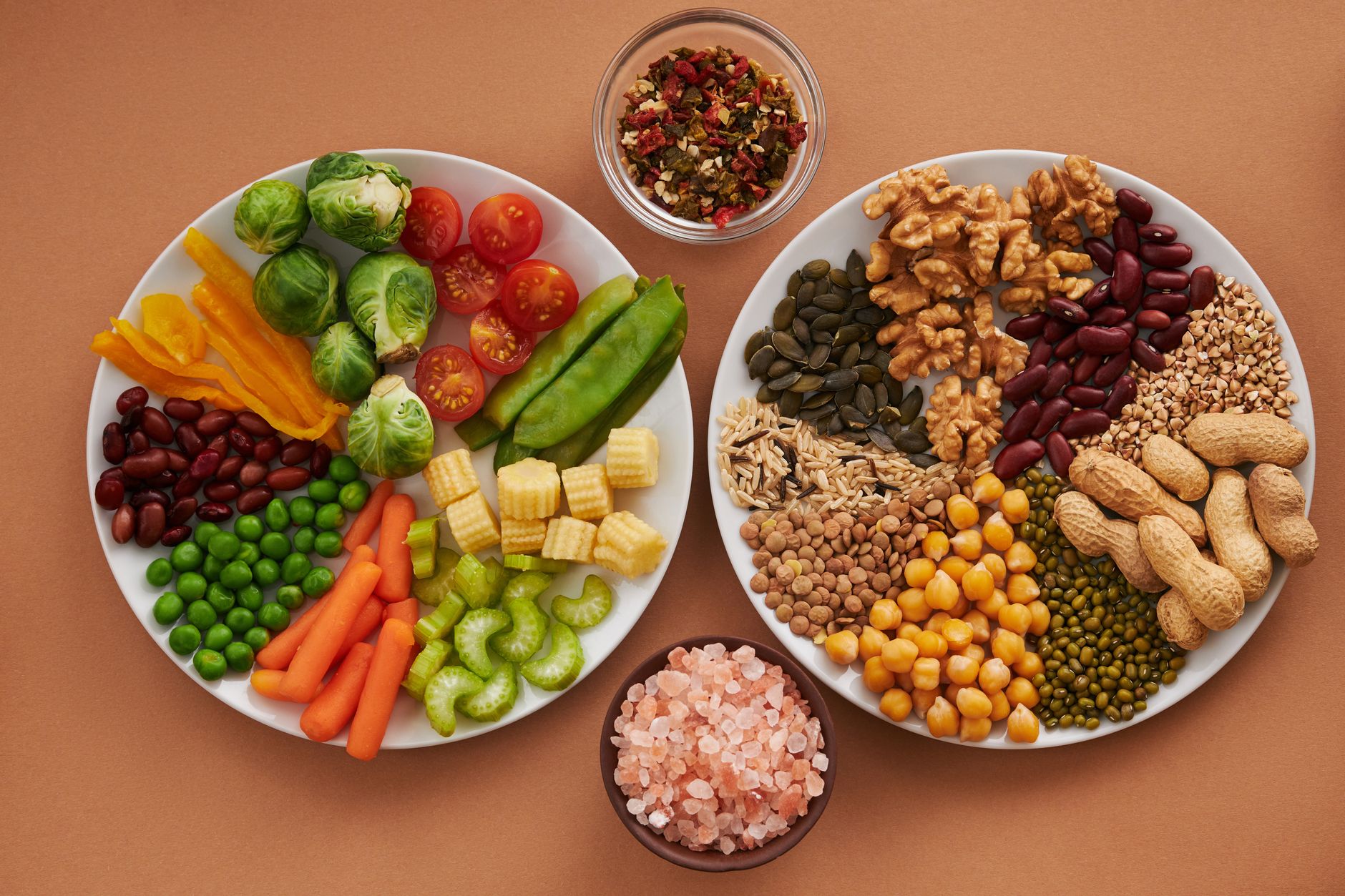
- Food manufacturers are responding by reformulating products with higher protein and fiber content while expanding smaller, single-serve packaging options.
- Restaurants are adjusting menu engineering to offer smaller portions, high-protein small plates, and expanded non-alcoholic beverage options.
- Grocery retailers are integrating pharmacy services with food merchandising to position stores as complete health and wellness destinations.
The rapid rise of GLP-1 receptor agonists, a class of diabetes and weight management medications including Ozempic, Wegovy, and Mounjaro, is sending ripples through the American food ecosystem. What began as a targeted medical treatment for metabolic conditions has swiftly evolved into a systemic disruption for grocers, food manufacturers, and dining establishments alike. As tens of millions of consumers adopt these appetite-suppressing therapies, the foundational economic assumptions that have governed the food industry for decades are being fundamentally challenged.
Recent reporting from Supermarket News highlights how deeply these clinical treatments are reshaping consumer purchase patterns. Food executives who once relied on steady impulse buys and high-volume snack purchasing are now confronting a demographic shift toward smaller portions, nutrient-dense ingredients, and reduced craving profiles. Consequently, major enterprise brands are scrambling to pivot their product portfolios, reformulate existing inventory, and align marketing strategies with the new realities of a GLP-1 dominated marketplace.
The immediate impact of GLP-1 medications manifests in the checkout lane. Patients taking these drugs consistently report a sharp decrease in what researchers refer to as food noise, the constant background thoughts about eating and snacking. As a result, standard household grocery baskets are undergoing a visible transformation. Consumers are bypassing classic center-store impulse categories, such as sugary beverages, ultra-processed salty snacks, and heavy packaged desserts, in favor of essential nutrition.
According to retail analytics reviewed by Supermarket News, this reduction in overall caloric intake does not mean consumers are spending less money across the board. Instead, spending is shifting toward higher-value, nutrient-dense food categories. Baskets are increasingly populated by lean animal proteins, plant-based proteins, fresh produce, and specialized functional foods. Grocery operators are noticing that while total unit volume may decline slightly among medication users, the average price point per item often increases as shoppers prioritize quality over sheer quantity.
Faced with altering demand curves, food manufacturers are deploying two primary strategies: portfolio reformulation and downsized packaging. Enterprise brands are investing heavily in research and development to create products tailored specifically for smaller appetites. These new offerings emphasize high protein content, dietary fiber, and essential micronutrients, ensuring that consumers meet their baseline nutritional requirements even when eating significantly reduced volumes of food.
Portion sizing is undergoing a parallel evolution. The traditional strategy of offering bulk packaging to drive volume sales is losing traction among GLP-1 users who fear food waste due to reduced eating capacity. Manufacturers are responding by expanding single-serve options, high-protein snack packs, and mini-portion meal kits. This shift allows brands to maintain healthy profit margins by charging a premium for convenience and precise nutritional delivery while matching the physical constraints of their customer base.
The hospitality sector faces a similarly complex challenge as dining habits adapt to prescription-driven appetite changes. Full-service restaurants and fast-casual chains are examining traditional menu engineering, which has historically relied on large side dishes, rich appetizers, and high-margin dessert items to drive check averages. As a growing percentage of diners opt out of multi-course meals, operators must adapt to protect their top-line revenues.
Many dining establishments are beginning to restructure their menus to cater to light eaters without alienating traditional guests. Strategy adjustments include expanding half-portion options, introducing protein-focused small plates, and redesigning side dish pairings. Furthermore, beverage programs are adapting to declining alcohol consumption among GLP-1 users by highlighting sophisticated non-alcoholic cocktails, functional herbal infusions, and low-sugar alternatives that appeal to health-conscious consumers.
Beyond product formulation and menu design, the rise of weight management medications is prompting structural changes in store layouts and supply chain logistics. Supermarket chains are increasingly integration-focused, aligning their retail pharmacy departments directly with their fresh food merchandising teams. By positioning dietitian services, health screenings, and tailored nutritional guidance alongside pharmacy counters, grocers aim to capture the holistic health spend of GLP-1 patients.
This retail integration also influences shelf placement and inventory management. Category managers are reallocating prime center-store endcaps away from traditional confectionary items and toward high-protein bars, digestive health supplements, and low-glycemic packaged goods. Supply chains are adjusting to accommodate faster turnover in fresh produce and lean refrigerated proteins, while managing leaner inventory buffers for long-shelf-life snack products that are experiencing slower sell-through rates.
For the everyday consumer, the food industry's response to GLP-1 medications will translate into broader variety, improved product labeling, and more flexible dining formats over the next several years. Grocery store aisles will feature an expanding array of portion-controlled, nutrient-dense products designed to maximize nutritional value per bite. You can expect clearer front-of-pack labeling highlighting protein, fiber, and sugar content as brands compete for health-focused shoppers.
In restaurants, diners will likely enjoy greater flexibility in ordering smaller portions without feeling penalised by high pricing surcharges. Menus will increasingly feature high-protein small plates, customizable meal components, and expanded zero-proof beverage selections. Ultimately, as retail food operations and dining rooms adapt to these pharmacological shifts, consumers of all health backgrounds stand to benefit from a marketplace that prioritizes nutritional density, functional quality, and personal choice over sheer volume.
More from the Foodie Pundit Newsroom
- The Great Unraveling: Macy's Pivots From 150 Locations, Forcing a Reckoning for American Malls
- Weight Loss Medications Force Food Manufacturers and Restaurants to Overhaul Product Portfolios
- Austin's Honest Mary's Is Eyeing A Florida Outpost
- IHOP Wagers on a Post-Breakfast Future, Overhauling Its Menu for a New Generation of Diners
- Chick-fil-A Prepares Nationwide Launch of Major New Menu Offering