How GLP-1 Weight Loss Medications Are Reshaping Grocery Aisles and Consumer Diets
The rapid adoption of GLP-1 weight loss drugs is forcing food manufacturers and grocery retailers to rethink their product lines and store layouts.
By Foodie Pundit Newsroom - Published - Updated - Section: Glp1 Weight Loss
Key points
- GLP-1 medications are suppressing consumer demand for ultra processed snacks, sugary beverages, and high calorie packaged foods.
- Food manufacturers are shifting investments toward high protein, low sugar, and nutrient dense product lines.
- Grocery stores and restaurant chains are adjusting portion sizes, menu layouts, and shelf space allocation to match changing eating habits.
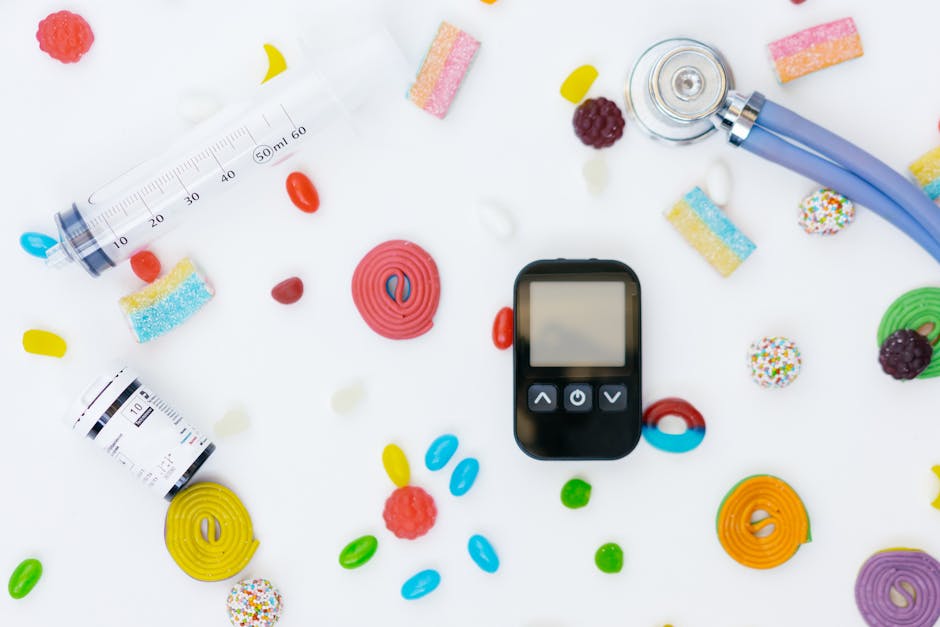
The rapid rise of GLP-1 receptor agonist medications, initially developed to treat type two diabetes, has triggered a fundamental realignment across the food and beverage industry. Consumers using medications such as Ozempic, Wegovy, and Zepbound are actively changing their daily dietary habits, resulting in lower total caloric intake and altered flavor preferences. As adoption rates for these treatments continue to climb, food manufacturers and grocery retailers are forced to reexamine product portfolios that were built on high volume indulgence.
Industry data highlighted by Food Business News indicates that households with at least one member taking a weight loss drug show a noticeable decline in total grocery expenditures. These reductions are particularly pronounced in categories long dominated by center store packaged goods, including salty snacks, sugary carbonated beverages, and ultra processed baked goods. Executives across the consumer packaged goods sector are taking notice, acknowledging that shifting consumer appetites present a long term structural change rather than a temporary trend.
Understanding the direct physiological impact of these medications clarifies why shopping lists are changing so rapidly. GLP-1 drugs function by slowing gastric emptying and signaling satiety directly to the brain, effectively suppressing the neural pathways associated with cravings. As a result, consumers on these regimens report a reduced desire for foods high in sugar, fat, and sodium, which historically formed the core of impulse grocery purchases.
The shift in consumer behavior is creating distinct winners and losers across traditional grocery aisles. Categories that rely heavily on frequent, high volume consumption are experiencing measurable volume drops. Confectionery manufacturers, snack food brands, and soft drink bottlers face the most direct headwinds as consumers cut back on discretionary calories and portion sizes.
Conversely, nutrient dense categories are seeing increased demand from GLP-1 users who must maximize the nutritional value of smaller meals. Fresh produce, lean proteins, high fiber grains, and functional dairy products like Greek yogurt are enjoying steady growth. Manufacturers focused on high protein and low sugar reformulations are best positioned to capture market share among consumers seeking to maintain muscle mass while losing body weight.
Retailers are also observing changes in shopper frequency and basket composition. While overall spending on traditional packaged goods may be declining among medicated shoppers, spending per item on premium, healthy foods often increases. This dynamic is prompting supermarket operators to rethink endcap displays, promotional strategies, and shelf space allocation to emphasize health focused items over high margin impulse snacks.
In response to changing demand, major food processors are initiating aggressive product reformulation and portfolio diversification strategies. Companies are actively reducing sugar and sodium levels in existing products while expanding lines tailored specifically to the nutritional needs of patients on weight loss medications. Portioned control packaging, protein enriched snacks, and digestive health solutions are becoming central to brand innovation pipelines.
Acquisition strategies across the sector are similarly adjusting to this new reality. Major food conglomerates are seeking to acquire smaller, health oriented brands that already possess strong credentials in clean label, nutrient dense categories. According to reporting from Food Business News, investment in traditional snack brands is slowing, while venture capital and corporate investment funds are redirecting capital toward functional foods, medical nutrition, and gut health startups.
Furthermore, corporate leadership teams are refining their public messaging to investors. While early corporate updates downplayed the financial risk posed by weight loss medications, recent earnings calls reflect a more proactive approach. Food executives are increasingly highlighting their portfolios of healthy offerings, emphasizing that adaptability will determine which brands thrive in a less calorie dense future.
REDEFINING RESTAURANT AND FOOD SERVICE STRATEGIES
The impact of GLP-1 adoption extends far beyond the grocery aisle and into the commercial food service sector. Fast food chains, casual dining restaurants, and institutional cafeterias are all beginning to adjust to altered dining patterns. Restaurant operators report that GLP-1 users visit less frequently and, when they do dine out, order fewer appetizers, side dishes, desserts, and alcoholic beverages.
To mitigate lost revenue from smaller order sizes, restaurant operators are experimenting with revised menu engineering. Several national chains are introducing dedicated lighter fare sections, customizable protein bowls, and smaller portion options priced to protect operating margins. By offering nutrient dense, smaller meals, operators hope to remain appealing to medicated diners without alienating traditional customers who still seek full portion meals.
Food service distributors are also adjusting their inventory management to match shifting demand from commercial kitchens. Orders for heavy cooking oils, high calorie sauces, and bulk frozen desserts are stabilizing or declining in certain regions. Meanwhile, demand for fresh vegetables, lean meats, and whole grains continues to rise, forcing supply chain managers to rethink cold storage and distribution logistics.
For the average consumer, the commercial response to GLP-1 medications will translate into a significantly altered food environment over the coming years. Supermarket shelves will feature a broader array of high protein, low sugar options alongside smaller portion sizes explicitly designed for controlled caloric intake. While traditional indulgence foods will not disappear, they may see reduced promotional focus and smaller package footprints.
Dining out will also become a more tailored experience, with restaurant menus offering greater flexibility in portion size and nutritional content. Consumers who are actively managing their weight will find more dedicated menu items designed to meet specific protein and fiber targets. Ultimately, the food industry's pivot toward nutrient density promises to expand healthy choices for all shoppers, regardless of whether they take weight loss medications.
Sources and methodology
Reported from the public datasets below.
More from the Foodie Pundit Newsroom
- Spicy Chicken Wars Enter New Phase As Quick Service Chains Target Regional Flavors
- culinary Trends Move From Fine Dining Rooms To Domestic Kitchens
- Bern's Steak House Kin Announce New South Tampa Seafood Restaurant
- Soil Restoration Drives Yield Resilience in Modern Food Production
- Chick-fil-A Tests Nashville Hot Sandwich To Expand Spicy Menu Dominance