How Informal Grazing Trends Are Reshaping Grocery Sales and Dining Habits
Consumers are abandoning conventional meal preparation in favor of visually appealing, low effort snack spreads that fit busy modern lifestyles.
By Foodie Pundit Newsroom - Published - Updated - Section: Desserts Snacks
Key points
- Informal snack boards are replacing traditional cooked dinners among busy younger consumers.
- Grocery retailers are benefiting from increased demand for pre-packaged charcuterie, specialty cheeses, and small bite items.
- Restaurants are responding by expanding shareable small plates and customizable appetizer boards.
- The trend reflects broader economic shifts toward reducing food waste and managing grocery costs.
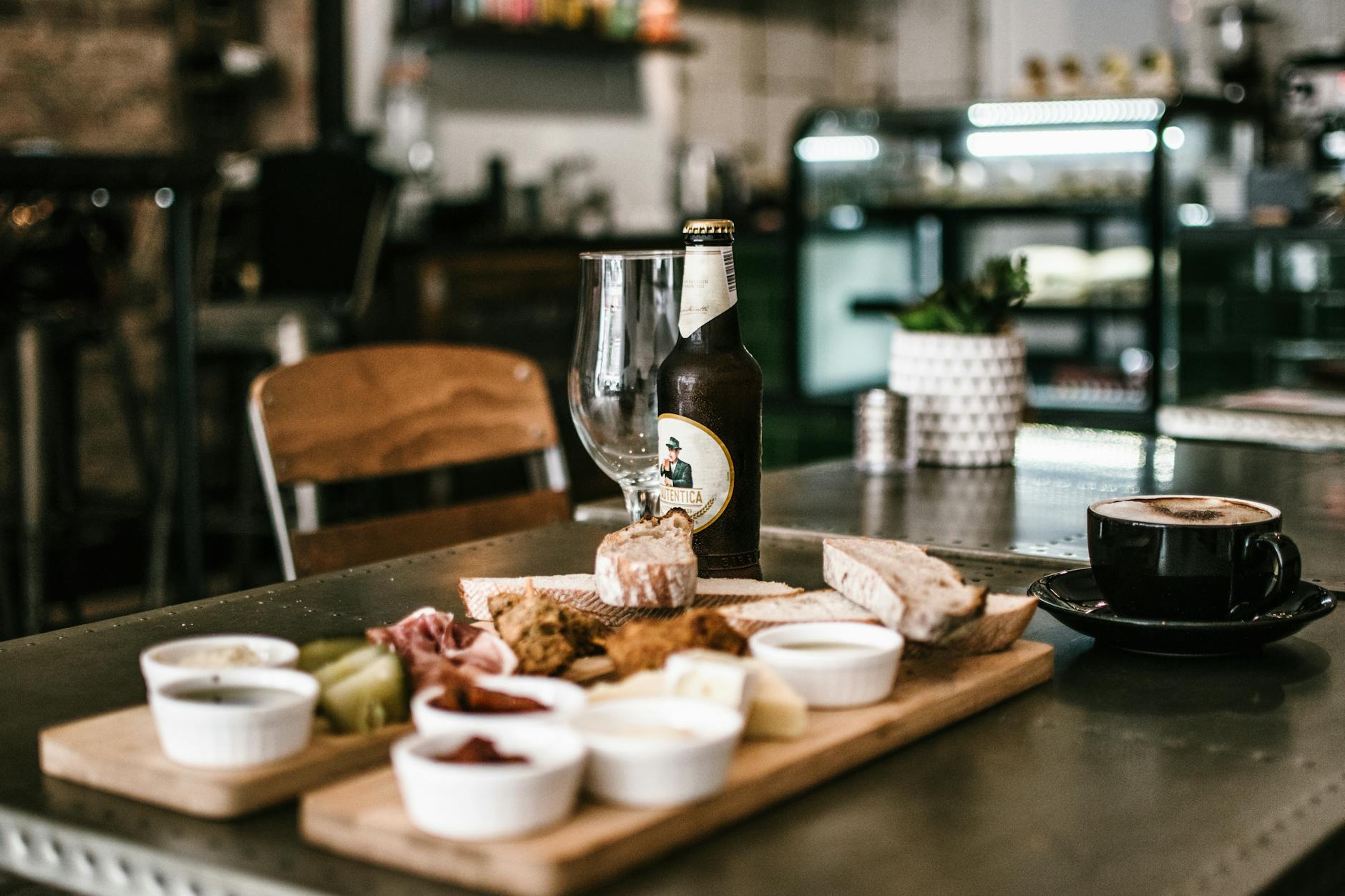
Social media platforms have ignited a global movement toward low effort, highly aesthetic dining options that bypass traditional cooking entirely. Known online as girl dinner, the concept centers around assembling eclectic snack boards using ingredients already sitting in the refrigerator. What began as a viral clip on TikTok has quickly evolved into a broader cultural conversation about modern dining habits, meal prep fatigue, and retail food purchases.
According to reporting by TODAY.com, the phenomenon centers on visually pleasing, casual assortments of cheeses, cold cuts, fruit, pickles, and packaged snacks. Consumers are increasingly favoring these flexible, assembly only meals over labor intensive recipes that require extensive cleanup. This preference reflects shifting priorities among younger demographics, particularly Generation Z and millennials, who are seeking simple culinary experiences that align with busy lifestyles.
Several economic and social factors explain why minimalist meal assembly is resonating so deeply with contemporary consumers. Inflationary pressures on grocery staples have made traditional multi-course meal preparation more expensive and unpredictable for solo households. By focusing on odds and ends already available in the pantry, diners can stretch their food budgets while minimizing household food waste.
Convenience also plays a massive role in driving this trend across consumer groups. Modern work patterns, including remote schedules and gig economy hours, have disrupted standard breakfast, lunch, and dinner routines. As fixed dining schedules erode, flexible snacking options offer an appealing alternative that requires zero cooking skills and minimal active prep time.
The packaged food sector and grocery retailers are paying close attention to these evolving eating habits. Supermarket chains have seen sustained growth in pre-packaged charcuterie items, specialized dips, single serve cheeses, and premium crackers. Merchandisers are increasingly grouping complementary snack items together in refrigerated endcaps to capture impulse sales from shoppers seeking quick assembly solutions.
The restaurant industry is similarly feeling the downstream effects of this shift toward casual, varied dining. Fast casual operators and full service establishments are expanding their small plates, appetizer boards, and customizable snack menus to capture this consumer demand. Establishments that emphasize flexible, shareable portions are finding success with diners who prefer sampling multiple flavors over committing to an individual large entree.
Beyond the business implications, the popularity of snack boards highlights a fundamental shift in how people view their daily nutritional choices. The unstructured nature of these meals frees consumers from traditional culinary expectations and dietary guilt. Assembling a personalized board allows individuals to satisfy specific cravings without feeling pressured to create a balanced, conventional plate.
Nutritionists note that while snack boards can be wholesome and packed with fiber, protein, and healthy fats, balance remains essential. Unstructured eating can sometimes lead to an overreliance on processed meats, sodium heavy preserves, and refined carbohydrates if not planned thoughtfully. Adding fresh vegetables, raw nuts, and whole fruits helps transform casual snack spreads into nutritionally complete everyday meals.
The visual nature of social media platforms has transformed everyday meal preparation into a form of self expression. Curated snack boards offer a high contrast, colorful palette that translates exceptionally well into short form video content and static photography. The low barrier to entry means almost anyone can participate, regardless of their culinary background or kitchen equipment.
This focus on aesthetic presentation has created unexpected windfalls for housewares manufacturers and artisan woodworkers. Sales of specialty cutting boards, small ceramic ramekins, and vintage glassware have seen steady upticks as home diners invest in presentation tools. The digital conversation has effectively rebranded simple grazing into a curated, aspirational lifestyle choice.
As consumer schedules remain fluid, the shift toward unstructured, highly personalized eating is likely to persist well beyond the lifespan of a single internet trend. Food manufacturers are already formulating new product lines specifically tailored for grazing, including portion controlled spreads and snack size artisanal proteins. The boundaries between traditional meals and casual snacks will continue to blur across both home kitchens and restaurant menus.
Operators and food producers who adapt quickly to this demand for flexibility, convenience, and visual appeal stand to gain significant market share. The enduring popularity of assembled dining demonstrates that consumers increasingly value control, simplicity, and low friction solutions over formal culinary traditions. Modern food culture is officially embracing the idea that dinner can be whatever you assemble on a board.
For the average consumer, the popularity of curated snack boards validates a practical, low stress approach to everyday meal preparation. You do not need to spend hours cooking complex recipes or buying expensive ingredients to enjoy a satisfying, visually appealing dinner. Assembling meals from existing pantry staples and refrigerated goods can save valuable time while keeping household food expenses under control.
Shopping for these meals can also be straightforward if you focus on versatile, long lasting staples. Keeping item variety high with items like nuts, cured meats, firm cheeses, and pickled vegetables gives you maximum flexibility during busy weeknights. As grocers and restaurants continue expanding their small plate and snack options, consumers will enjoy even greater access to convenient, high quality grazing choices.
Sources and methodology
Reported from the public datasets below.
More from the Foodie Pundit Newsroom
- Japanese Milk Bread Drives Major Shift in UK Bakery Trends
- Fast Food Giants Revamp Menu Pricing with Aggressive Value Deals
- PopUp Bagels Set to Open in Brickell This Summer
- Borough Market Commences Major Infrastructure Upgrades and Dining Expansion
- Fazoli's Reported Open in Tallahassee, Debuts Double Drive-Thru