How Modern Culinary Trends Are Reshaping Restaurant Economics and Consumer Choices
Shifting guest demographics, rising ingredient overhead, and social media exposure are transforming how modern restaurants build their menus.
By Foodie Pundit Newsroom - Published - Updated - Section: Restaurants
Key points
- Restaurants are increasingly adopting botanical, bittersweet, and fermented flavor profiles to elevate base ingredients and protect margins.
- Chefs are leveraging table-side presentation and experiential dining elements to justify menu pricing and compete with home delivery.
- Cross-utilization and upcycling of kitchen byproducts have become primary operational tools to combat ongoing food waste costs.
The commercial restaurant landscape is undergoing a structural shift as operator margins, supply chain realignments, and shifting consumer demographics converge to reshape menus nationwide. According to the latest comprehensive market research from Carbonate Insights, dining trends heading into the late decade are moving away from traditional coarse structures and standard culinary formulas. Diners are increasingly seeking high-concept, experiential elements alongside hyper-specific regional flavor profiles. At the same time, restaurant owners are forced to balance these adventurous consumer appetites against volatile wholesale ingredients costs and persistent kitchen labor pressures.
To maintain profitability, hospitality groups are turning to creative menu engineering and targeted flavor integration. The traditional mid-tier dining concept is being replaced by high-margin, social-media-driven offerings that generate organic marketing buzz. This economic reality means that modern trends are not merely superficial viral fads; they represent calculated business strategies designed to maximize guest spend per square foot while managing back-of-house kitchen complexity.
FLAVOR DYNAMICS AND BOTANICAL INTEGRATION
One of the primary growth vectors identified in the reporting involves the rapid integration of complex botanical elements and bittersweet flavor profiles across both food and beverage programs. Consumers are migrating away from overtly sweet beverages and desserts, choosing instead complex acid profiles, fermentations, and herbal infusions. Ingredients such as sumac, sea buckthorn, yuzu, and various native botanical extracts are moving rapidly from high-end tasting menus into high-volume casual dining concepts.
This shift allows operators to premiumize relatively low-cost foundational ingredients, such as base spirits, sodas, yogurts, and grains. By introducing a rare or complex acid component, a restaurant can justify a higher price point while keeping actual center-of-the-plate protein expenditures controlled. Market data indicates that menus featuring distinct bitter or botanical flavor markers have seen stronger price elasticity over the past four quarters compared to standard menu items.
Another prominent trend reshaping kitchen operations is the strategic elevation of humble, stable commodity ingredients. Rather than relying exclusively on expensive center-of-plate meats, chefs are utilizing advanced processing techniques like dry-aging, koji curing, and wood-fire smoking on simple vegetables, legumes, and sustainable seafood species. Carbonate Insights notes that this approach mitigates the risk of farm-gate price spikes in beef and poultry while delivering a novel sensory experience to guests.
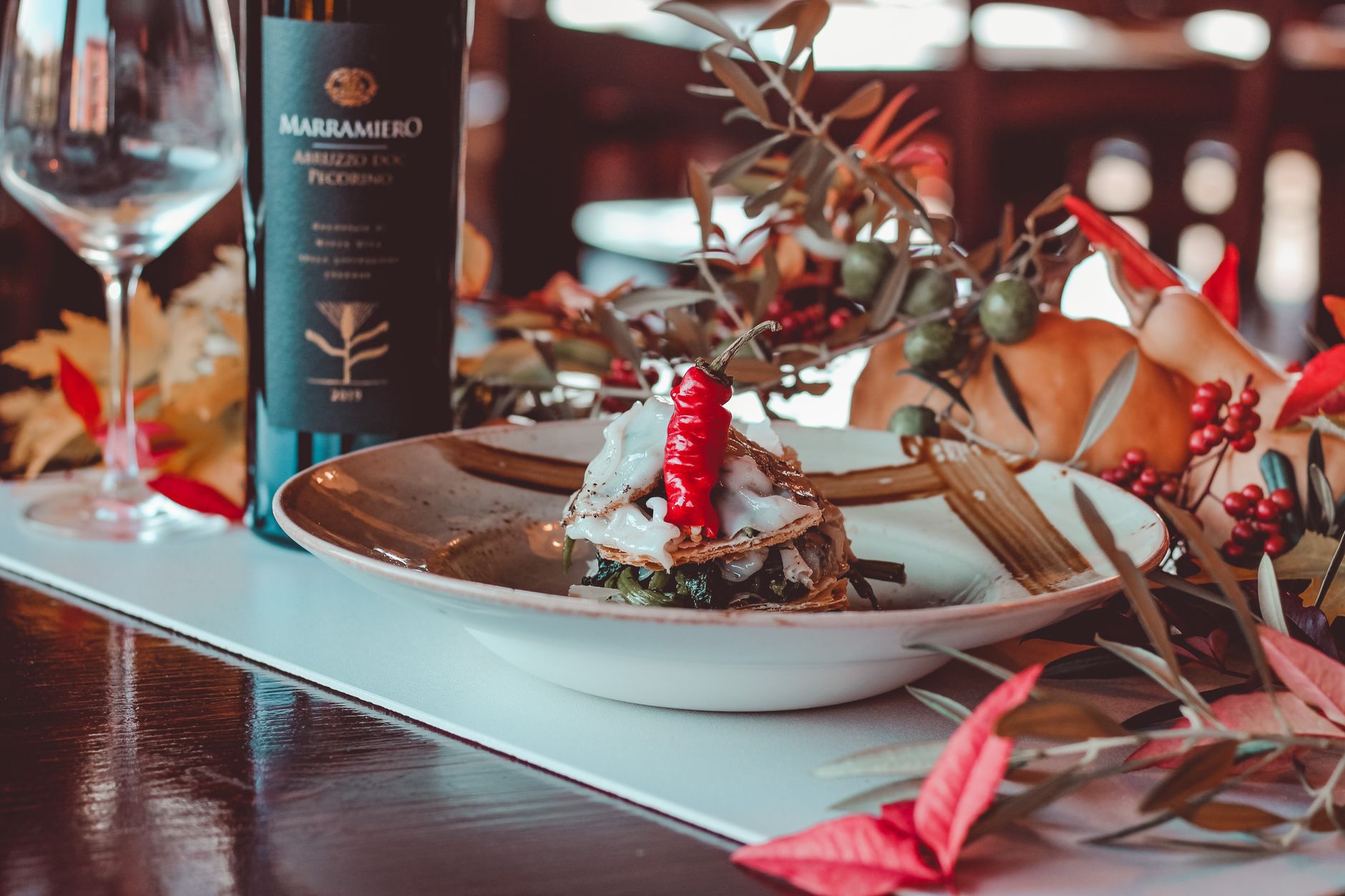
High-end interpretations of classic comfort foods are also seeing sustained growth. Tinned fish, humble root vegetables, and traditionally low-cost cuts of pork are being paired with complex table-side presentations and high-value garnishes. This hybrid strategy allows venues to capture strong gross margins while still delivering the visual intrigue and perceived luxury that modern restaurant guests demand when choosing to dine out rather than cook at home.
EXPERIENTIAL DINING AND VISUAL MERCHANDISING
The physical act of dining in a commercial establishment must now offer value that cannot be replicated through third-party delivery services or home meal kits. As a result, operators are investing heavily in visual merchandising, unique glassware, interactive cooking elements, and distinctive interior lighting design. Carbonate Insights highlights that table-side finishing touches, such as poured broths, shaved garnishes, and flame applications, directly correlate with higher guest satisfaction scores and increased social media amplification.
This emphasis on table-side theater serves a dual economic purpose. Beyond providing free, user-generated promotional content across digital channels, it justifies the service charge premium associated with full-service dining. As consumer discretionary budgets face ongoing inflationary pressures, diners require tangible proof of value when spending money outside the home, making visual and interactive hospitality crucial for customer retention.
SUSTAINABILITY AS AN OPERATIONAL EFFICIENCY
Environmental sustainability has evolved from a passive marketing narrative into a core financial mechanism for modern kitchens. Upcycled ingredients, cross-utilized produce trim, and closed-loop bar programs are now essential tools for maintaining slim operating margins. Leading food service operators are redesigning workflows to ensure that byproduct streams from the kitchen are repurposed into cordials, stocks, or fermented seasonings for the bar and pantry.
This operational philosophy directly addresses both supply chain volatility and food waste disposal costs. Carbonate Insights demonstrates that kitchens employing comprehensive cross-utilization frameworks report lower overall food cost percentages than their peers. Consumers have responded positively to these initiatives, particularly when menus clearly articulate how creative culinary techniques are used to prevent food waste.
For everyday diners, these industry dynamics mean that restaurant menus will continue to look more adventurous, visual, and highly styled over the coming years. You can expect to encounter unique flavor pairings, rare botanicals, and complex fermented elements even at neighborhood casual spots, as chefs use these components to elevate standard dishes. While overall menu prices are unlikely to decline due to persistent operational overhead, restaurants will attempt to deliver greater perceived value through table-side service details, vibrant presentations, and memorable sensory experiences. On your next night out, choosing dishes that feature unique botanical acids, upcycled culinary elements, or elevated comfort staples will offer the best window into where modern food culture is heading.
Sources and methodology
Reported from the public datasets below.
More from the Foodie Pundit Newsroom
- Japanese Milk Bread Craze Reshapes UK Specialty Bakery Market
- The Henry Arrives in Hollywood, Set for Wednesday Debut
- Future Food Trends Arrive Early as Chains Accelerate Product Cycles
- The Rise of Snack Board Dining Signals Broader Shifts in Consumer Convenience
- How Japanese Milk Bread Captured The UK Bakery Market