How Short Form Video Recipes Are Rewriting Restaurant Menus Nationwide
Viral social media recipes are disrupting traditional supply chains and forcing restaurant operators to rapidly overhaul commercial menus.
By Foodie Pundit Newsroom - Published - Updated - Section: Chain Watch
Key points
- Short form video trends now dictate culinary trends from the bottom up rather than top down from fine dining.
- Grocery retailers and food service distributors face sudden stock volatility driven by viral ingredient surges.
- Commercial kitchens are establishing dedicated teams to monitor digital platforms and rapidly deploy limited time offers.
- Visual presentation and shareability have become primary factors in modern menu item engineering.
Short form video platforms have transformed from mere entertainment channels into primary engines of culinary trend forecasting and consumer demand. According to recent reporting by AOL, the rapid virality of home cooking clips is directly influencing supply chains, grocery inventory, and commercial restaurant menus across the country. What begins as an impromptu kitchen experiment in a short video clip can become a national culinary phenomenon within forty eight hours.
The phenomenon represents a fundamental shift in how food culture develops and spreads across demographic groups. Historically, culinary trends trickled down from high end fine dining establishments through food magazines and television networks before reaching mainstream consumer kitchens. Today, the direction of influence has inverted completely, with home cooks and independent content creators dictating what major food service operators put on their menus.
The algorithmically driven reach of video platforms allows specific ingredients and techniques to achieve instant ubiquity. When a dish captures the public imagination, the immediate surge in consumer curiosity creates unprecedented operational challenges and opportunities for the hospitality sector. Restaurants that monitor these social media trends are finding that adopting viral dishes can drive immediate traffic and boost revenue.
The economic footprint of these digital recipes extends far beyond digital engagement metrics and views. Retailers frequently experience severe localized stock shortages when specific ingredients star in trending videos. The widespread popularity of baked feta pasta, smashed burger tacos, and crisp chili oil applications demonstrated how quickly consumer purchasing habits can disrupt traditional grocery supply chains.
OPERATIONAL ADAPTATION IN COMMERCIAL KITCHENS
For commercial restaurant operators, integrating viral food trends requires a delicate balance between speed and culinary execution. Independent eateries and regional chains must move quickly to capitalize on a trend while it remains culturally relevant. Waiting too long to add a trending item to a menu risks appearing outdated, as the lifecycle of internet trends continues to compress.
Many casual dining establishments now designate culinary development teams specifically to track emergent digital food trends. These teams analyze video metrics, hashtag volume, and consumer engagement to predict which internet dishes possess true commercial longevity. Kitchens then streamline ingredient sourcing and prep procedures to introduce limited time offers before public interest wanes.
SUPPLY CHAIN IMPLICATIONS AND INGREDIENT VOLATILITY
The sudden popularity of niche ingredients poses significant forecasting difficulties for food distributors and agricultural producers. Traditional demand models rely on historical sales data and seasonal patterns, neither of which account for sudden spikes triggered by viral videos. A single viral trend can turn a modest commodity into a high demand commodity almost overnight.
Distributors are increasingly relying on real time predictive analytics to monitor social media platforms for early signals of shifting consumer tastes. By identifying rising search volumes and engagement metrics early, buyers can secure inventory before wholesale prices surge. Restaurants that maintain flexible purchasing agreements are better positioned to adjust their purchasing without incurring excessive food costs.
REDEFINING DINING ROOM DEMOGRAPHICS AND MARKETING
Beyond menu development, short form video content has fundamentally altered how restaurants market their offerings to younger consumers. Traditional advertising methods, such as print campaigns and local radio spots, yield diminishing returns compared to visually compelling, highly shareable food content. Modern diners often select dining destinations based entirely on how camera friendly a dish appears on screen.
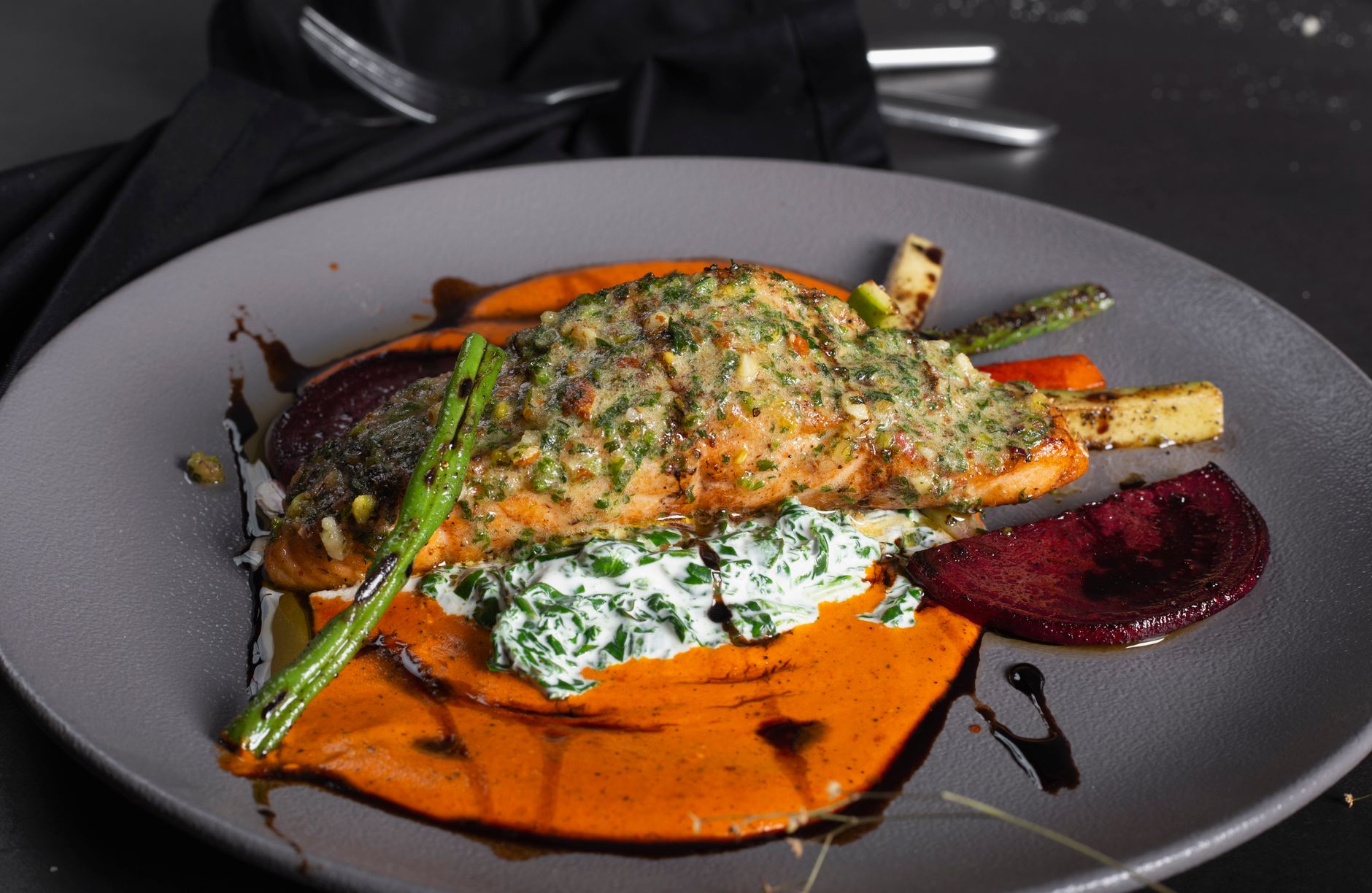
Establishments are actively redesigning physical menu items to maximize visual appeal and social media shareability. Bright colors, dramatic cheese pulls, and interactive table presentations are engineered specifically to encourage guests to record and share their dining experiences. This user generated content serves as free, highly authentic marketing that attracts subsequent waves of patrons.
Despite the commercial benefits, some industry analysts caution against over reliance on short lived internet trends. Critics argue that chasing viral fame can dilute a restaurant brand identity and alienate core customers who prefer consistent, classic offerings. Furthermore, the rapid churn of viral dishes can lead to excessive food waste if an operator misjudges the shelf life of a passing fad.
Successful operators mitigate these risks by treating viral trends as temporary promotional tools rather than permanent fixtures. By introducing short term specials or seasonal variations, kitchens can test consumer appetite without making costly long term investments in new equipment or specialized inventory. This measured approach allows venues to participate in digital culture while maintaining operational stability.
For the everyday diner, the influence of digital video platforms means restaurant menus will feel more dynamic, seasonal, and responsive to broader cultural moments. You are likely to see novel ingredient combinations and viral cooking techniques appear at your local eateries much faster than in previous years. Additionally, limited time offers will rotate with greater frequency as culinary teams adapt to shifting consumer interests.
For restaurant owners and culinary professionals, success in this new landscape requires proactive digital monitoring and flexible kitchen operations. Establishing agile supply chain partnerships will allow your business to capitalize on sudden trend surges without risking inventory write-offs. Ultimately, treating social media platforms as real time research tools will help maintain market relevance in an increasingly fast paced food economy.
Sources and methodology
Reported from the public datasets below.
More from the Foodie Pundit Newsroom
- Viral Summer Dessert Trends Drive Surge In Retail Bakery Demand And Supply Chain Friction
- A 250-Seat Restaurant Joins an Expanding Restaurant Row in Boca Raton
- The Business of Grazing: How the Girl Dinner Trend Is Reshaping Food Retail and Menus
- Inside the Culinary Shifts Reshaping Restaurant Menus and Dining Culture
- UK Food Inflation Overtakes Continental Europe as Supermarket Bills Surge