How the Girl Dinner Trend is Transforming Evening Dining Economics
Viral social media eating habits are reshaping grocery retail sales and restaurant menu designs nationwide.
By Foodie Pundit Newsroom - Published - Updated - Section: Grocery Cpg
Key points
- Viral social media trends have normalized low-effort, snack-based plates as acceptable evening meals.
- Rising food inflation and decision fatigue are driving consumers toward flexible, pantry-based dining.
- Supermarkets and restaurants are expanding charcuterie and small-plate offerings to capitalize on the trend.
The restaurant industry spends billions of dollars annually trying to predict what consumers want on their evening dinner plates. High-end dining establishments invest heavily in complex tasting menus, while fast-casual chains constantly test new limited-time offers to capture consumer attention. Yet over the past year, one of the biggest shifts in evening eating habits came not from executive chefs or corporate test kitchens, but from a viral social media movement known as girl dinner.
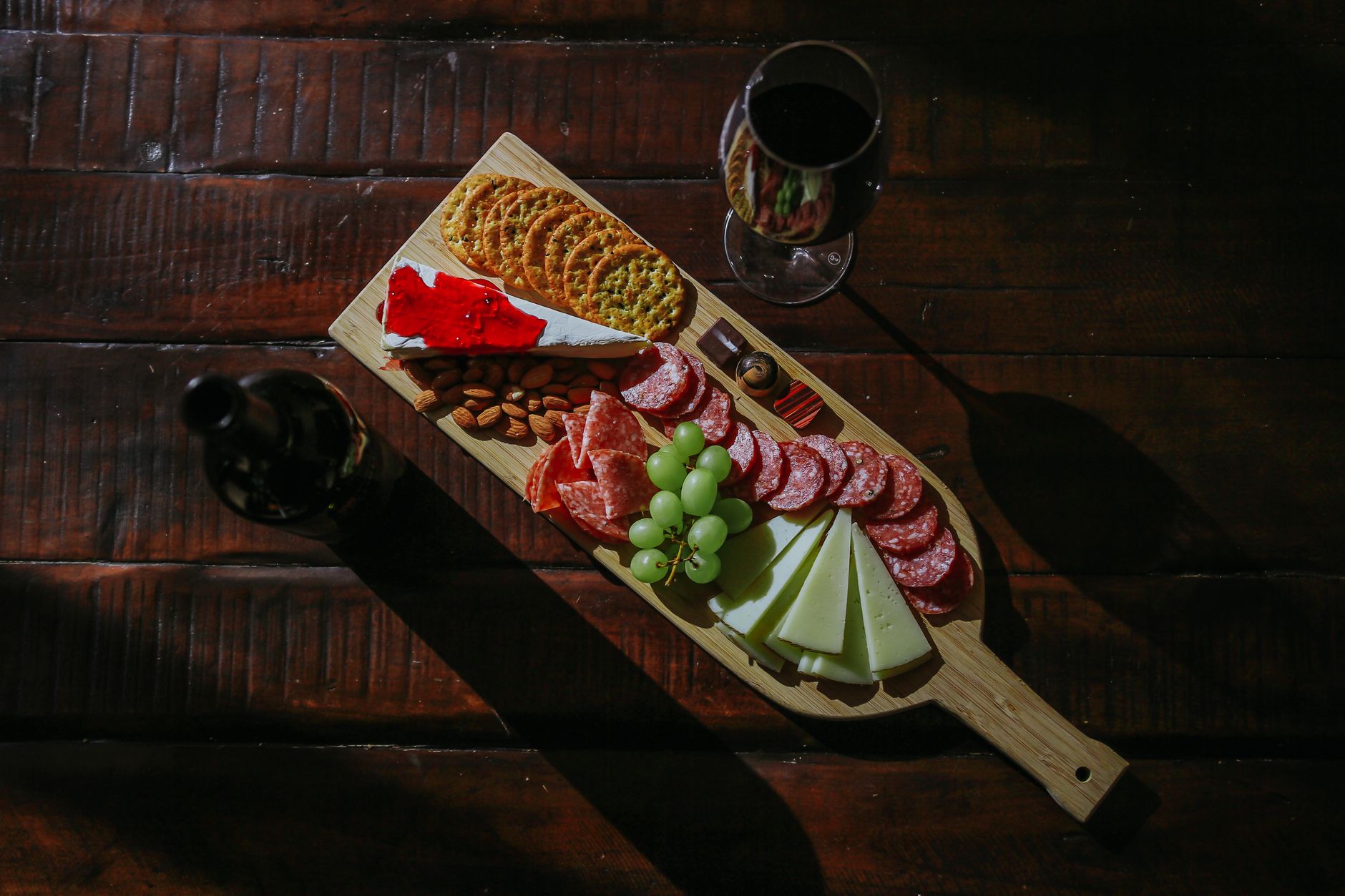
First coined on TikTok, the concept of girl dinner centers on the assembly of low-effort, highly customized snack plates enjoyed as a complete evening meal. Instead of cooking a traditional protein, starch, and vegetable combination, individuals build personalized spreads using items already in their pantries and fridges. Typical components include artisan cheeses, cured meats, fresh fruit, tinned fish, olives, crackers, and raw vegetables, often served alongside a glass of wine or a favorite beverage.
What initially appeared to be a fleeting internet joke has evolved into a legitimate shift in consumer dining behavior. According to reporting from Tasting Table, the phenomenon reflects a broader cultural turn toward effortless, low-stress eating that prioritizes personal satisfaction over traditional culinary expectations. Industry analysts note that this shift has clear economic implications for grocery retailers, specialty food brands, and traditional restaurant operators alike.
THE ECONOMIC DRIVERS BEHIND SNACK BASED DINING
The popularity of assembled snack meals reflects several underlying macroeconomic trends currently reshaping the food sector. Sustained food inflation has pushed consumer grocery bills and restaurant menu prices to record highs over the last two years. As a result, many households are actively seeking ways to cut dining expenses without sacrificing flavor or quality. Building a meal around premium pantry staples and small portions of specialty cheeses offers a sense of luxury at a fraction of the cost of a full restaurant dinner.
Time poverty and decision fatigue also play significant roles in driving this trend. After long workdays spent making complex professional choices, many consumers find the prospect of meal planning, cooking, and extensive cleanup overwhelming. Assembling a curated plate of ready-to-eat items eliminates the friction of traditional dinner preparation while still offering a visually appealing and satisfying experience.
Grocery retailers have been quick to recognize the financial opportunity presented by this shift in consumer behavior. Major supermarket chains and specialty markets have increased shelf space for pre-packaged charcuterie items, gourmet crackers, tinned seafood, and single-serve cheeses. By marketing these items as quick, premium meal solutions, retailers are capturing dollars that might otherwise have been spent at casual dining establishments.
IMPACT ON RESTAURANT OCCUPANCY AND MENU DESIGN
For the restaurant industry, the rise of assembly-style dining presents both challenges and strategic opportunities. Traditional casual dining chains that rely heavily on large, hot entrees are feeling the pressure as consumers opt for lighter, home-based alternatives on weeknights. When consumers do choose to dine out, many are seeking establishments that offer small plates, customizable boards, and relaxed grazing options rather than formal course-driven meals.
In response, forward-thinking restaurant operators are adapting their menu architecture to mirror these shifting consumer preferences. Tapas concepts, wine bars with extensive charcuterie programs, and modern aperitivo spots are experiencing strong demand. Even traditional American concepts are expanding their appetizer sections and offering shared platter options to appeal to diners who prefer a varied, low-pressure meal structure.
Restaurateurs are also taking cues from the presentation style popularized on social media platforms. Visual appeal is a central component of the girl dinner phenomenon, with consumers taking pride in artfully arranged plates and colorful ingredient pairings. Restaurants that emphasize high-quality presentation and Instagram-worthy board displays are finding it easier to justify premium price points for simple, low-labor ingredients.
As with any viral social media trend, food intelligence analysts have questioned whether the appetite for snack dinners will endure over the long term. Critics initially dismissed the movement as an unhealthy glorification of skipping meals or an overly simplistic approach to nutrition. However, registered dietitians and food historians note that grazing on varied, whole foods is far from a temporary fad; it closely resembles historical Mediterranean and European eating traditions that have sustained populations for centuries.
Furthermore, the consumer desire for convenience and flexibility is not going away. While the specific viral terminology surrounding girl dinner may eventually fade from social media feeds, the fundamental consumer preference for modular, customizable, and low-effort dining is firmly entrenched. The movement has effectively destigmatized non-traditional meals, giving consumers permission to eat whatever feels appealing and manageable at the end of the day.
For brand marketers and food manufacturers, the key lesson lies in meeting consumers where they are. Companies that focus on high-quality, convenient ingredients designed for easy mixing and matching are well-positioned for continued growth. The trend highlights a permanent shift in how modern consumers define a valid evening meal, proving that convenience and indulgence can comfortably coexist on the same plate.
For everyday consumers and home cooks, the mainstream acceptance of snack-style dining provides financial and operational relief in the kitchen. You no longer need to feel pressured to prepare elaborate, multi-component dinners every night of the week to maintain a satisfying diet. Assembling a balanced plate from quality pantry items and fresh snacks can reduce daily food expenditure, minimize kitchen waste, and save valuable time after work.
If you enjoy dining out, you can expect to see more restaurants offering flexible, small-plate menus and customizable grazing options moving forward. Operators will continue to expand their selection of shared boards, tinned fish selections, and curated snack pairings, giving you more freedom to build your own meal experience when visiting local establishments. Embracing this flexible approach allows you to tailor your food spend to match your personal budget and energy levels on any given night.
Sources and methodology
Reported from the public datasets below.
More from the Foodie Pundit Newsroom
- Upstream Food Costs Spike as May Wholesale Data Signals Renewed Grocery Inflation
- How Modern Bakeries Are Transforming Legacy Desserts to Drive Profitability
- Croissant Ice Cream Hybrids Capture Global Market Interest as Culinary Virality Drives Retail Sales
- South Florida Dining Scene to Expand With New Cuban, Seafood, and Italian Concepts
- Food Inflation Cools As Agricultural Supply Chains Stabilize Nationwide