How the Viral Snack Board Craze Is Reshaping Restaurant Menus and Retail Strategy
The viral social media phenomenon reflects deeper economic shifts in how younger consumers approach convenience, restaurant spending, and meal preparation.
By Foodie Pundit Newsroom - Published - Updated - Section: Desserts Snacks
Key points
- Gen Z and millennial consumers are replacing traditional multi-course meals with curated, low-prep snack assemblies driven by convenience and budget considerations.
- Grocery retailers and restaurant chains are adapting by expanding grab-and-go sections, customizable small plates, and shelf-stable options like tinned seafood.
- Snack board dining offers restaurant operators significant operational benefits, including reduced kitchen labor needs, lower food waste, and higher profit margins.
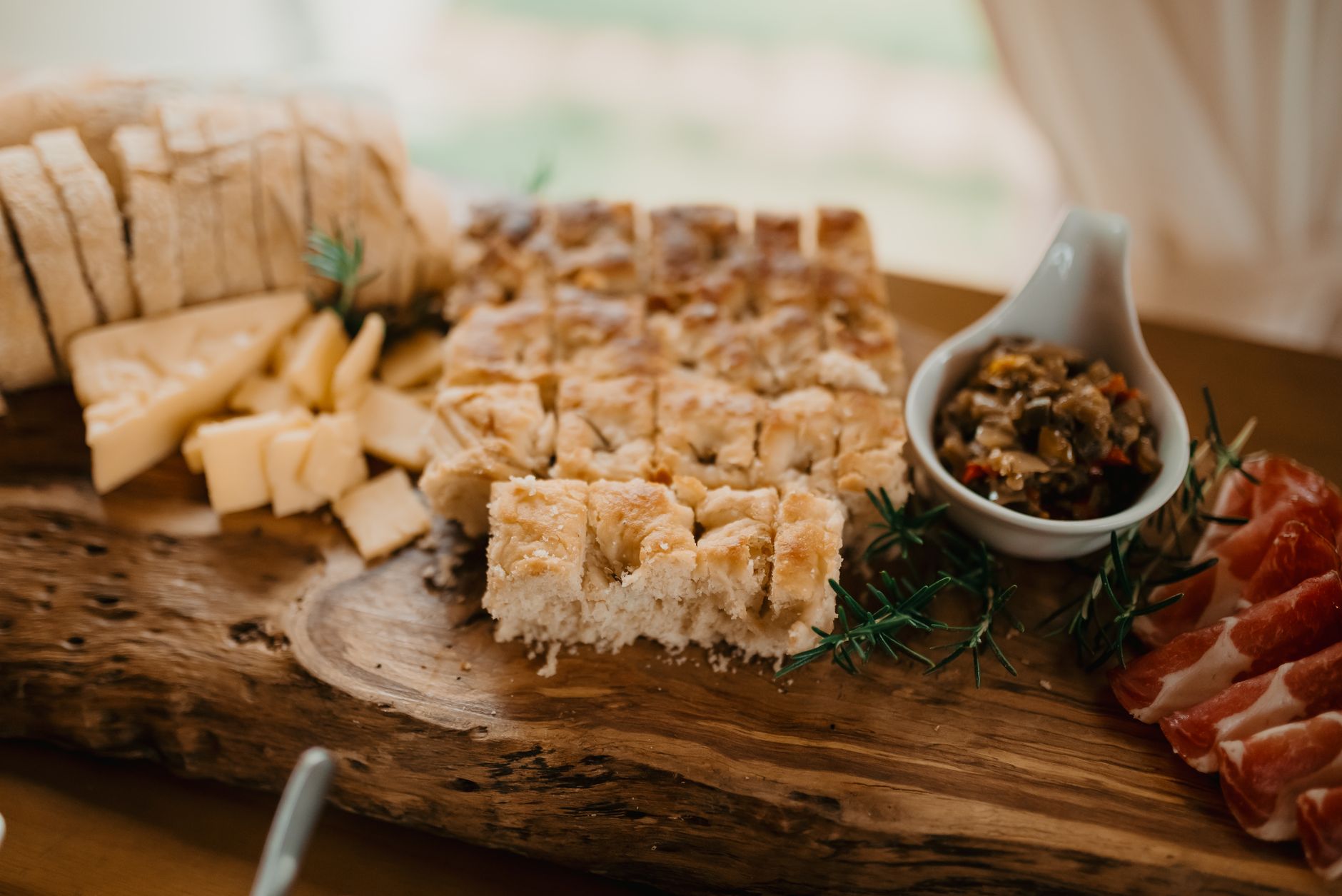
A viral social media phenomenon dubbed girl dinner is quietly reshaping consumer dining habits and providing a new blueprint for food service operators looking to capture younger demographics. Originating as a casual trend on short-form video platforms, the practice involves assembling a patchwork meal out of disparate, low-prep ingredients. Instead of cooking a traditional entree flanked by structured side dishes, participants fill plates with cheeses, charcuterie, raw vegetables, pickles, fruit, tinned fish, and crackers.
The trend gained traction as users began sharing aesthetic, highly personalized spreads online, turning low-effort evening meals into a celebrated lifestyle choice. Reporting from TODAY.com highlights how the movement has resonated with Gen Z and millennial consumers who value convenience, affordability, and personal expression over elaborate culinary execution. While the viral videos often emphasize playful assembly and visual appeal, the underlying economic drivers reflect broader shifts in how consumers approach meal planning and restaurant spending.
The rapid rise of girl dinner points to a fundamental change in the definition of a standard evening meal. For decades, consumer packaged goods companies and casual dining chains built their business models around the classic protein, starch, and vegetable trio. Today, younger demographics are increasingly unbundling that traditional structure in favor of continuous grazing and flexible snacking options.
Economic pressures have played a significant role in accelerating this behavioral pivot. Rising grocery bills and elevated menu prices at sit-down restaurants have forced many diners to re-evaluate their food budgets. Assembling a meal from pantry staples and small portions of premium deli items offers a sense of indulgence without the steep price tag of a full restaurant meal or a complex recipe requiring dozens of single-use ingredients.
Food service operators and grocery retailers are quickly taking notice of this shift toward snack-based dining. Supermarket chains have expanded their ready-to-eat grab-and-go sections, placing curated charcuterie components, single-serve cheeses, and specialty spreads at eye level. By marketing these individual elements together, retailers are effectively monetizing the desire for low-labor, highly customizable meals.
Restaurants are similarly adapting their menus to capture the grazing consumer. Many casual and upscale establishments are expanding their small plates, tapas, and appetizer sections to allow diners to build their own custom spreads. Concepts centered on customizable boards and shared plates have seen sustained interest, as consumers seek out the same variety and visual presentation when dining out that they enjoy creating at home.
Beyond its commercial impact, the trend has sparked a wider conversation among dietitians and cultural commentators regarding modern eating habits. Proponents argue that snack-style meals promote a flexible, intuitive approach to eating that reduces food waste and removes the psychological stress of cooking after a long workday. It allows individuals to utilize small leftover portions that might otherwise be discarded, aligning with growing consumer concern over sustainability.
However, nutrition experts caution that unstructured grazing can sometimes lead to nutritional gaps if the spreads lack adequate protein, fiber, or essential vitamins. While a well-balanced board featuring lean meats, fresh produce, and whole grains fulfills dietary needs, overly reliance on processed, high-sodium snacks can be counterproductive. As the trend matures, brands and influencers are increasingly emphasizing balanced, nutrient-dense assemblies that maintain the simplicity of the original concept.
From an operational standpoint, the mechanics of snack-board dining offer substantial advantages to restaurant operators struggling with persistent labor shortages and rising food costs. Assembling cold plates, charcuterie, and tinned fish requires far less complex kitchen labor and specialized equipment than line-cooking hot entrees. This allows kitchens to streamline back-of-house operations while maintaining high profit margins on relatively low-cost inventory.
Furthermore, tinned seafood and artisanal preserved goods carry long shelf lives, drastically reducing food spoilage and inventory risk for operators. By re-framing humble, shelf-stable, or pre-packaged ingredients as premium micro-meals, restaurants can achieve favorable food-cost ratios. The low execution barrier also enables non-traditional venues, such as wine bars, coffee shops, and boutique hotels, to offer compelling food programs without investing in full kitchen build-outs.
For the average consumer, the normalization of snack-based meals provides permission to drop traditional culinary expectations in favor of convenience and budget management. You can expect to see more grocery stores offering pre-portioned grazing kits and specialty market items tailored for quick assembly. On restaurant menus, look for an increasing number of customizable small-plate combinations, elevated snack boards, and tinned fish selections designed for sharing.
By understanding the economic and lifestyle factors behind this shift, consumers can make smarter choices at the grocery store and in restaurants. Building your own snack-style meals at home remains an effective way to stretch food dollars and reduce kitchen labor without sacrificing taste or variety. As the line between casual snacking and formal dining continues to blur, food industry options will only become more tailored to flexible, personalized eating styles.
Sources and methodology
Reported from the public datasets below.
More from the Foodie Pundit Newsroom
- How Butter Boards Transformed Simple Spreadables Into High Margin Menu Winners
- Burger King Revives Two for Five Dollar Deal to Capture Price-Sensitive Consumers
- Domino's Brings Back $6.99 Mix and Match Value Promotion
- Burger King Revives Two for Five Dollar Value Deal to Drive Traffic
- Burger King Brings Back 2 for $5 Discount Deal as Value Wars Intensify