How TikTok's Viral Summer Pasta Salad Drives Retail Grocery Trends
Viral social media food trends are reshaping summer grocery purchases as consumers embrace easy pasta dishes.
By Foodie Pundit Newsroom - Published - Updated - Section: Grocery Cpg
Key points
- Social media video trends drive immediate real-world demand for specific packaged and fresh grocery items.
- Low-effort summer recipes answer consumer demand for affordable heat-free meal solutions.
- Grocery chains increasingly monitor digital media trends to manage inventory and store displays.
- Traditional media outlets like Today help translate short viral clips into verified home recipes.
VIRAL RECIPES DRIVE SUMMER GROCERY TRENDS
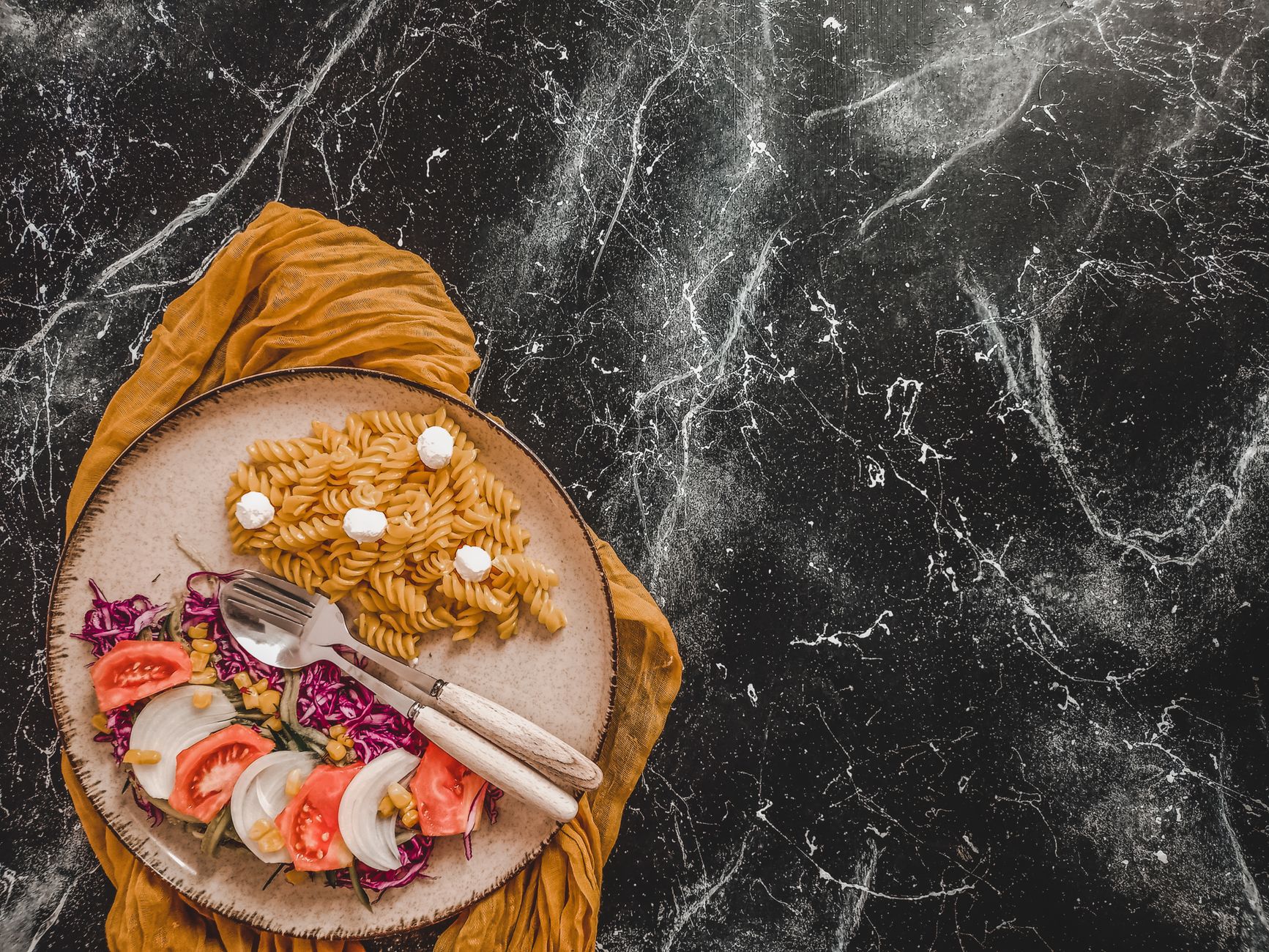
Social media platforms have transformed into powerful incubators for culinary trends, dramatically altering how everyday consumers plan their weekly grocery trips. The latest phenomenon sweeping digital feeds is a vibrant summer pasta salad that combines classic Mediterranean flavors with modern meal preparation techniques. Originally highlighted by Today, this viral recipe has captured the attention of millions, demonstrating the ongoing shift toward visually driven, low-effort home cooking solutions during warmer months.
The rise of short-form video platforms has fundamentally changed the life cycle of seasonal recipes. Where home cooks once relied on physical cookbooks or traditional food television programs, millions now scroll through short clips that demonstrate complex culinary steps in under sixty seconds. This immediate visual gratification creates instant consumer demand, leading to sudden surges in specific ingredient purchases at local supermarkets across the country.
Analyzing the economic mechanics behind these viral food trends reveals a sophisticated intersection of content creation and retail merchandising. When a specific recipe gains widespread traction online, regional grocery chains often observe immediate inventory depletion in featured staple items. Retail analysts note that simple, adaptable recipes present the highest conversion rates from social media viewing to actual retail sales.
The widespread appeal of this particular pasta salad relies heavily on its reliance on accessible, pantry-ready ingredients. By pairing shelf-stable dry pasta with fresh vegetables, brined olives, and tangy dressings, the dish achieves a high value proposition for budget-conscious consumers. Food industry analysts point out that low-barrier recipes perform exceptionally well during periods of high consumer price sensitivity, offering a restaurant-quality aesthetic without premium cost hurdles.
Furthermore, the versatility of cold pasta dishes aligns perfectly with shifting summer dining habits. As heat waves increase across major metropolitan areas, consumers active on social media actively seek out heat-free meal preparation options that minimize stove and oven usage. Cold pasta salads serve a dual purpose as both a cost-effective side dish for outdoor gatherings and a durable option for advance weekday meal prepping.
The supply chain implications for viral recipes are increasingly significant for modern grocers. Major supermarket brands now maintain dedicated trend monitoring teams tasked with tracking emerging culinary crazes on video platforms. By identifying popular dishes early in their virality cycle, retailers can optimize end-cap displays, adjust regional store orders, and run targeted promotions on key components like specialty pasta cuts and bottled vinaigrettes.
Food media consumption has shifted away from pristine, highly technical culinary productions toward relatable, user-generated formats. Audiences increasingly favor quick instructional videos recorded in standard domestic kitchens using common cookware. This democratization of culinary authority allows everyday home cooks to influence national eating habits just as effectively as established media outlets or celebrity chefs.
The engagement metrics surrounding summer side dish trends reflect a broader demographic appetite for convenience and customized dining. Video creators frequently encourage viewers to adapt basic base formulas according to personal dietary preferences, encouraging high levels of user interaction in comment sections. This collaborative recipe development model fosters a strong sense of community while simultaneously keeping the underlying trend active across social algorithms for longer periods.
Legacy media brands like Today continue to play a critical role in legitimizing and amplifying these grassroots social media phenomena. By testing, documenting, and publishing refined print and digital guides based on viral social trends, traditional publishers bridge the gap between casual internet viewers and serious home cooks looking for reliable, repeatable culinary results.
The cultural impact of shareable recipes extends far beyond individual household kitchens. Summer outdoor gatherings, neighborhood potlucks, and family cookouts serve as primary real-world testing grounds for online food trends. When guests encounter a visually striking and delicious dish at a social gathering, the recipe spreads through word-of-mouth channels, creating a secondary wave of consumer interest that reinforces online engagement.
This feedback loop between digital creation and physical consumption has accelerated the pace of food trend cycles. While traditional seasonal food crazes used to build gradually over several years, modern viral dishes can achieve national ubiquity in a matter of days. For food brands and agricultural producers, adapting to these rapid demand shifts requires flexible supply chains and responsive marketing strategies that can pivot at a moment's notice.
The ongoing success of casual, highly aesthetic dishes highlights a permanent evolution in consumer food priorities. Modern home cooks consistently prioritize speed, visual elegance, and affordability when selecting recipes for weekly rotation. As digital platforms refine their content delivery mechanisms, the pipeline from viral phone video to local dinner table will only become more streamlined and efficient.
For everyday shoppers, the rise of viral pasta salads offers an affordable, reliable strategy for elevated summer entertaining without expanding your grocery budget. Recognizing how social media drives food trends can help you anticipate store inventory shortages on popular viral ingredients like specialty pasta shapes or imported olives. By mastering versatile base formulas, you can easily adapt seasonal recipes using ingredients already sitting in your pantry or whatever fresh produce is on sale at your local market. Understanding these digital food dynamics empowers you to cook efficiently, avoid overspending on specialty products, and enjoy fresh, high-quality summer meals with minimal kitchen stress.
Sources and methodology
Reported from the public datasets below.
More from the Foodie Pundit Newsroom
- New Restaurant Project Confirmed for Hialeah, Details Remain Under Wraps
- FDA Expands Wegovy Approval to Cover Heart Attack and Stroke Risk
- High Profile Chefs Target Edinburgh City Center For Next Generation Of Fine Dining
- McDonalds Expands Footprint Across India to Capture Rising Consumer Demand
- FDA Grants Wegovy New Label for Heart Health, Reshaping Insurance and Food Sector Dynamics