How Viral Digital Culture Is Rewiring Restaurant Industry Economics
Short-form video trends are dictating real-world dining habits and forcing hospitality operators to overhaul supply chains and menu development.
By Foodie Pundit Newsroom - Published - Updated - Section: Chain Watch
Key points
- Social media platforms have dramatically accelerated the lifecycle of culinary trends, reducing menu development from months to days.
- Supply chains are experiencing sudden, unpredictable shortages as wholesale demand shifts overnight to match online virality.
- Hospitality operators are balancing the profit potential of internet fads against the risk of elevated inventory waste and labor strain.
The modern restaurant landscape is undergoing a massive transformation driven by short-form digital content platforms, according to a recent analysis by NBC News. Viral cultural moments are migrating from mobile screens straight into commercial kitchens, reshaping menu design, purchasing inventory, and promotional strategy faster than the industry has ever seen. From casual eateries to fine dining establishments, operators are recalibrating their daily routines to capture unpredictable surges in consumer demand.
For decades, culinary trends trickled down slowly through professional trade publications, celebrity chef endorsements, and high-end dining rooms. Today, viral concepts like minimalist snack platters and opulent dining themes gain hundreds of millions of views in a matter of days. This shift has eliminated traditional development lifecycles for food service businesses, forcing corporate chefs and independent owners alike to shorten their menu development cycles from months to mere hours.
Restaurant groups that once planned seasonal shifts a year in advance are now maintaining flexible daily specials specifically to capitalize on trending internet dishes. NBC News detailed how social media algorithms create sudden localized demand for niche ingredients, leaving regional distributors scrambling to adjust supply chains on short notice. A single viral video showcasing a unique garnish or an unconventional ingredient pairing can cause overnight shortages at wholesale markets nationwide.
This rapid velocity of interest presents both lucrative opportunities and severe operational headaches for hospitality businesses. While sudden spikes in customer interest can boost weekly sales by significant margins, they also risk creating immediate inventory shortfalls and overwhelming kitchen staff unaccustomed to preparing hyper-specific viral items. Operators must constantly evaluate whether a digital fad has enough staying power to justify permanent supply commitments.
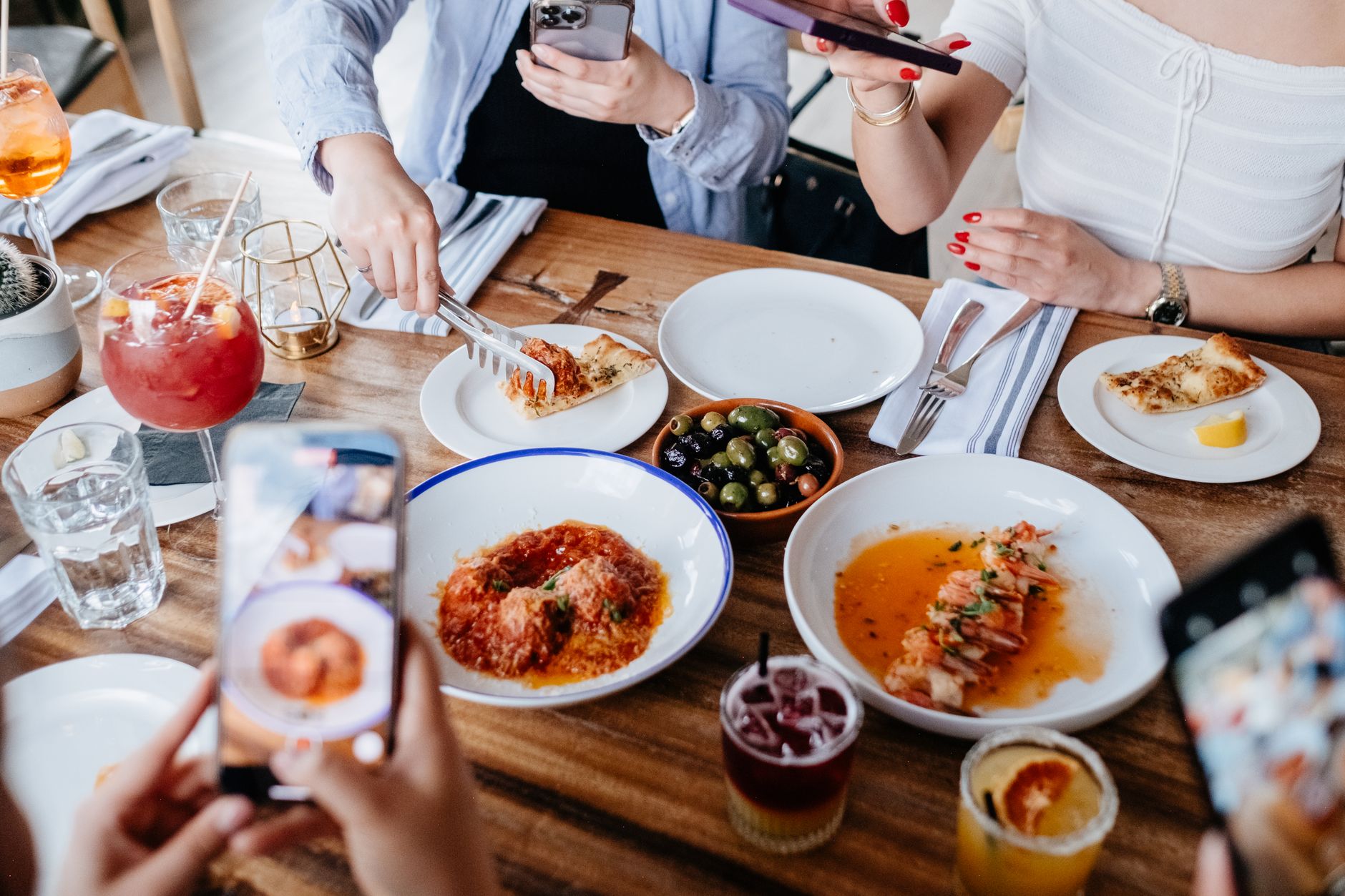
Beyond individual recipes, digital platforms are popularizing broad lifestyle themes that dictate where and how people spend their dining dollars. Concepts centered on nostalgic comfort foods, casual grazing plates, or dramatic tableside presentations are actively reshaping dining room behavior. Customers increasingly view their meal choices as forms of personal expression and content creation, expecting physical dining experiences to mirror the visual aesthetics seen online.
This psychological shift has compelled venue designers and marketing teams to prioritize visual appeal alongside flavor profiles. Front-of-house layouts, table settings, and lighting choices are now engineered specifically to look striking on camera, helping restaurants secure free organic marketing from patrons sharing their visits. The resulting ecosystem turns everyday diners into primary brand ambassadors, bypassing conventional advertising agencies entirely.
SUPPLY CHAIN STRAIN AND DISTRIBUTOR REALITY
Behind the scenes, food distributors face unprecedented volatility as retail consumer interest rapidly redirects wholesale purchasing patterns. When a specific produce item, canned fish brand, or specialized condiment captures public attention, commercial buyers race to secure inventory before prices spike. Procurement managers are forced to rely on real-time social monitoring tools alongside traditional historical data to forecast warehouse stock needs accurately.
Smaller independent restaurants often suffer most during these demand surges, as larger national chains hold preferential contracts with major broadline distributors. When a viral trend depletes a specific commodity, smaller operators may find themselves priced out or left waiting on long backorder lists. Consequently, culinary teams are learning to build flexible, modular recipes that allow for quick substitutions when key ingredients become suddenly unavailable across regional supply lines.
THE ECONOMICS OF SHORT-LIVED HYPER-POPULARITY
Financial analysts in the hospitality sector warn that chasing every internet sensation can undermine long-term profitability if managed poorly. Introducing new ingredients introduces waste risks when consumer attention unpredictably moves on to the next viral moment. Successful operators treat short-form content trends as limited-time promotional tools, using them to drive initial foot traffic while steering newcomers toward high-margin core menu staples.
Furthermore, training kitchen personnel to execute fleeting viral dishes creates labor inefficiencies and quality control challenges on busy lines. Kitchen managers must balance the novelty of fast-moving food phenomena with the operational consistency that builds repeat local customer bases over time. Striking this balance requires clear communication between social media marketing teams and line cooks working the front lines of food service operations.
For everyday diners, the rapid integration of internet trends into physical restaurants means menus will remain more dynamic, varied, and visually engaging than ever before. You are likely to see quick-turnaround specials and playful item names reflecting popular online culture appearing at your local eateries with increasing frequency. However, this high rate of menu turnover can also lead to temporary price fluctuations or sudden menu shortages for specific popular dishes during peak demand windows.
Understanding these underlying mechanics allows consumers to better navigate modern dining choices and appreciate the complex logisitcal hurdles behind their favorite spot. As hospitality operators refine their ability to monitor and react to public interest in real time, the line between online culture and real-world dining will continue to blur. Diners can expect tighter integration between their digital feeds and their physical dinner plates for years to come.
Sources and methodology
Reported from the public datasets below.
More from the Foodie Pundit Newsroom
- How Viral Social Media Desserts Drive Real World Restaurant Revenue
- July Grocery Costs Hit Three Year High as Food Inflation Reaccelerates
- Street Vendors Leverage Video Algorithms To Fuel Physical Lines and Brand Equity
- Asian Street Food Models Redefine Restaurant Industry Overhead and Efficiency
- Culinary Industry Adapts as New Consumer Demands Drive 2026 Dining Shifts