How Viral Social Media Culinary Trends Are Reshaping Restaurant Economics
Social media trends in August are reshaping consumer preferences, forcing restaurants to adapt inventory and menus to match real time digital demand.
By Foodie Pundit Newsroom - Published - Updated - Section: Social Virality
Key points
- Short form video platforms are significantly compressing the lifecycle of culinary trends, requiring faster operational responses from restaurants.
- Data from social tracking platforms like NapoleonCat reveals that digital hype directly correlates with regional supply chain pressure and wholesale price spikes.
- Restaurants that leverage real time analytics can capitalize on sudden consumer crazes without compromising core menu profitability or kitchen efficiency.
SOCIAL MEDIA VIRALITY DRIVES DINING CHOICES
Short form video platforms are rapidly changing how consumers decide where and what to eat. Restaurant operators across the country are adjusting their operational strategies to keep pace with hyper specific food crazes that gain traction on TikTok before spilling into real world dining rooms. Recent industry data analyzed by NapoleonCat highlights how mid summer social trends translate directly into foot traffic, inventory surges, and menu restructuring for hospitality businesses.
The modern diner relies heavily on visual cues delivered through algorithmic feeds rather than traditional food criticism or static marketing campaigns. When a specific recipe, ingredient combination, or dining aesthetic catches fire on social feeds, regional supply chains feel the immediate strain. Understanding these digital phenomena is no longer optional for kitchen managers and marketing directors aiming to capture younger demographics.
August traditionally marks a crucial transition period in the restaurant sector, positioning it between peak summer vacation dining and the onset of autumn promotional cycles. This year, social media analysis indicates that viral culinary content is leaning heavily into seasonal fruit preparations, unconventional textural pairings, and interactive table experiences. Operators who monitor social media sentiment early in the month are better equipped to source ingredients before wholesale prices spike due to sudden regional demand.
Industry reporting by NapoleonCat emphasizes that the lifecycle of digital food trends has compressed significantly over the past two years. What used to remain popular for a full season now peaks within three to four weeks, leaving unprepared restaurants with excess inventory if they adopt a trend too late. Successful establishments are learning to deploy agile kitchen workflows, introducing short term blackboard specials that mirror viral hits without permanently altering core master menus.
The viral appeal of recent food trends stems from three core elements: visual contrast, accessible preparation techniques, and audibly satisfying sensory components. Content creators leverage sound design to highlight crunchiness, sizzling pans, or fluid pours, creating an immersive experience that prompts viewers to seek out similar items at local eateries. This audio visual stimulation turns casual viewers into motivated diners within hours of content consumption.
Furthermore, user generated content thrives on customization and crowd sourced modification. Diners increasingly visit physical locations not just to order standard items, but to request off menu hacks or secret modifications popularized by online influencers. Restaurant chains that embrace this behavior by training frontline staff to handle custom requests are capturing significantly higher average ticket sizes compared to rigid competitors.
OPERATIONAL RISKS AND INVENTORY MANAGEMENT
While sudden popularity on social platforms offers massive revenue potential, it brings substantial operational hazards for independent restaurants. Kitchen staff can quickly become overwhelmed by unexpected order volumes centered around a single complex item. This bottleneck slows overall ticket times, frustrates kitchen teams, and compromises service quality for non trend items on the menu.
Procurement officers face equal difficulty when navigating social media crazes. Sourcing specialized produce, niche imported condiments, or unique dairy items on short notice often requires paying premium spot market prices. If a trend dies out as rapidly as it arrived, operators end up stuck with expensive, perishable ingredients that cannot be repurposed elsewhere in their inventory system.
DATA DRIVEN DECISION MAKING FOR RESTAURANTS
To mitigate these supply and service risks, forward thinking restaurant operators are turning to social listening tools. By tracking key culinary hashtags, location tags, and engagement metrics via platforms like NapoleonCat, management teams can distinguish between a brief two day viral blip and a sustained consumer movement. This analytical approach allows for smarter inventory purchasing, targeted social advertising spend, and synchronized staff scheduling.
Data tracking also helps operators identify geographic variations in food trend adoption. A viral dish that commands long lines in major coastal metropolitan areas may take several additional weeks to penetrate suburban or secondary markets. Regional operators can utilize this lag time to negotiate better distributor pricing and test standardized recipe execution before local demand hits its peak.
BRIDGING THE DIGITAL AND PHYSICAL DYNAMIC
Creating a seamless connection between online hype and physical service is essential for converting one time trend seekers into recurring customers. When guest traffic surges due to a social media feature, the physical atmosphere, staff demeanor, and point of sale efficiency must match the high expectations established online. A disappointing real world experience will result in negative digital feedback, swiftly neutralizing previous viral gains.
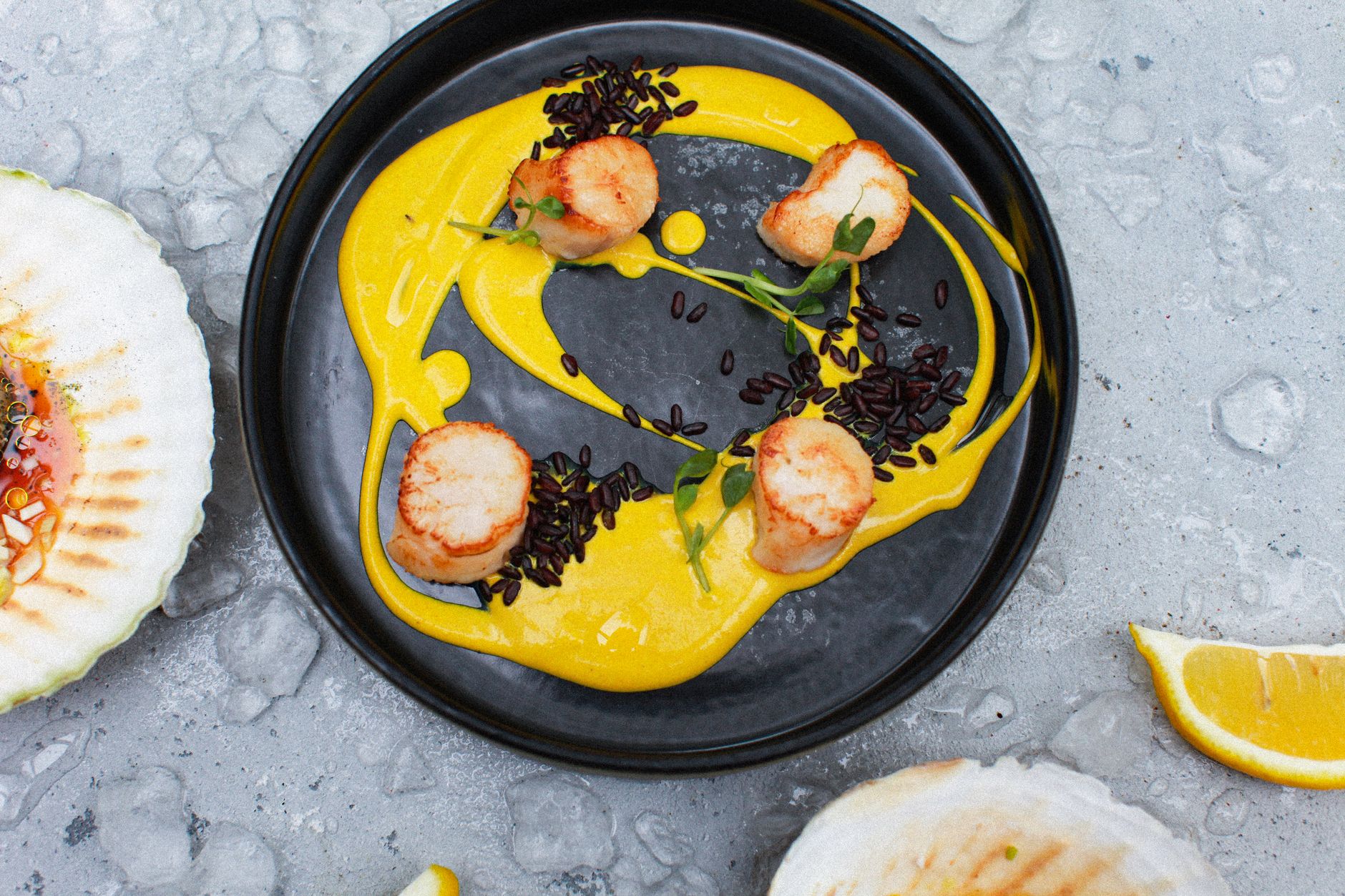
Operators are increasingly designing dish presentations specifically for video capture, adjusting ambient lighting near dining tables, and utilizing branded packaging that looks striking on camera. These physical design choices encourage guests to film their meals and generate unpaid organic promotions, effectively establishing a self sustaining marketing loop for the restaurant brand.
For everyday consumers, understanding social media food dynamics explains why local menu prices fluctuate and why favorite seasonal items disappear quickly from store shelves. When you see a dish blowing up on your video feed, expect local spot availability to tighten and wait times at popular spots to increase over subsequent weekends. Seeking out independent spots that offer agile seasonal menus is often the best way to try high quality renditions of viral dishes without paying inflated prices driven by corporate promotional campaigns.
For restaurant workers and business owners, the message is clear; dynamic inventory monitoring and digital awareness are now core skills for successful kitchen management. Establishments must maintain flexible supplier relationships, streamline kitchen prep routines, and leverage analytical tools like NapoleonCat to track consumer interest in real time. Staying ahead of digital dining habits allows hospitality brands to maximize short term profit opportunities while building lasting loyalty among modern, internet savvy customers.
Sources and methodology
Reported from the public datasets below.
- Bureau of Labor Statistics (BLS) - Consumer Price Index, food away from home
- Federal Reserve Economic Data (FRED) - Food services and drinking places series
- U.S. Census Bureau - Monthly Retail Trade, food services
- Bureau of Labor Statistics (BLS) - Consumer Price Index, food away from home
- Federal Reserve Economic Data (FRED) - Food services and drinking places series
- U.S. Census Bureau - Monthly Retail Trade, food services
More from the Foodie Pundit Newsroom
- Summer Dining Surge Prompts New Restaurant Staffing Hacks And Operational Shifts
- McDonald's Capitalizes on Nostalgia as Limited Time McFlurry Returns
- El Machetico Plans Hialeah Expansion for Third Location
- Summer Restaurant Rush Prompts Innovative Staffing and Workflow Solutions
- FDA Expands Wegovy Approval to Cover Heart Disease Risk Reduction