How Viral Social Media Pasta Salads Are Driving Summer Food Retail and Menu Trends
Social media algorithms and shifting consumer habits are driving a summer surge in simple cold pasta dishes and altering grocery supply chains.
By Foodie Pundit Newsroom - Published - Updated - Section: Chain Watch
Key points
- Social media platforms are replacing traditional media as the primary drivers of summer food trends and grocery demand surges.
- Grocers and food manufacturers are monitoring digital media metrics to manage sudden inventory stockouts of trending ingredients.
- Restaurant operators are adapting viral flavor combinations to capture consumer interest without incurring heavy marketing costs.
- Seasonal shifts toward low effort cold prep meals reflect broader economic priorities around convenience and budget management.
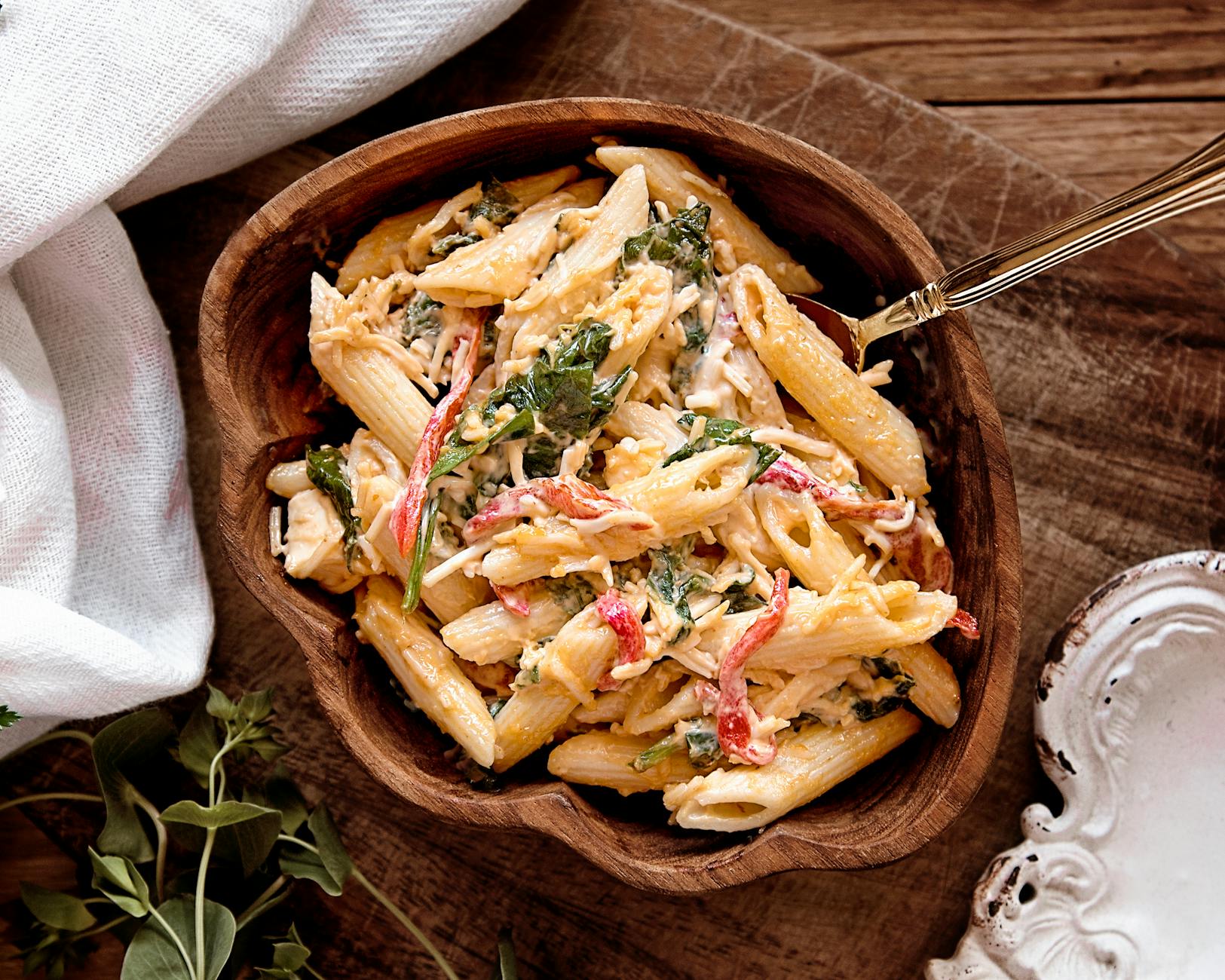
Short form video platforms have transformed from mere entertainment hubs into dominant engines of culinary trends and grocery demand. A recent report from Today highlights how a single viral pasta salad concept has captivated social media feeds, driving home cooks to recreate the dish in record numbers. This phenomenon reflects a broader structural shift in how consumer food preferences are shaped and executed in the modern digital economy.
The dish at the center of the latest trend combines accessible pantry staples with a visually striking presentation optimized for vertical video formats. By pairing simple prep requirements with bold visual appeal, the recipe lowers the barrier to entry for casual cooks while creating a high engagement loop for content creators. Restaurant operators and food retail strategists are watching these digital surges closely to anticipate sudden spikes in ingredient demand and shifting consumer tastes.
Visual platform algorithms prioritize short, high contrast videos that demonstrate clear, step-by-step assembly within the first few seconds. Pasta salad recipes perform exceptionally well in this format because the colorful array of fresh vegetables, cured meats, and emulsified dressings offers immediate aesthetic feedback. When millions of users view, like, and save these clips, the resulting demand ripples rapidly through local grocery supply chains.
The speed at which these trends move presents both opportunities and logistical challenges for the retail food sector. Traditional culinary trends used to originate in fine dining establishments before trickling down to food magazines, daytime television, and eventually home kitchens over the course of several years. Today, a viral post can generate nationwide grocery inventory shortages within forty eight hours of reaching critical mass.
The economic footprint of viral recipes extends far beyond digital metrics and subscriber counts. When a specific combination of ingredients goes viral, regional grocers frequently report localized stockouts of targeted items like specialty pasta shapes, artisanal cheeses, and specific branded marinades. Grocery store managers must increasingly monitor trending food hashtags to adjust their weekly inventory procurement and endcap merchandising strategies.
According to reporting from Today, the success of this summer pasta salad relies heavily on the use of high acid dressings paired with robust, cold stable ingredients that hold up well over time. This focus on prep ahead convenience aligns with shifting consumer behavior during the warmer months, when households seek minimal heat cooking options that accommodate busy outdoor schedules. The financial result is a notable uptick in consumer basket size centered around cold prep deli items and ambient shelf stable goods.
Fast casual dining chains and independent operators are actively monitoring these viral home cooking trends to inform their seasonal menu development. Incorporating viral ingredients or visual assembly styles allows restaurants to capitalize on pre-established consumer interest without spending heavily on traditional marketing campaigns. When a flavor profile achieves high digital saturation, introducing a professional variation offers diners a convenient, no prep alternative to making the viral dish at home.
However, menu engineering experts caution against overreacting to short lived digital fads that may lose momentum before supply contracts can be fully realized. Restaurant operators must carefully evaluate whether a social media recipe reflects a durable shift in palate preferences or merely a temporary flare up driven by algorithmic distribution. Successful chains often adapt the underlying balance of flavors, such as combining tangy dressings with hearty pasta bases, rather than replicating the viral presentation item for item.
Seasonal shifts historically alter consumer spending patterns toward lighter, faster, and less energy intensive meal solutions. The current emphasis on viral pasta salads illustrates how digital trends accelerate these predictable seasonal cycles into compressed, high volume purchasing events. Food manufacturers are increasingly partnering with digital creators to subtlely seed specific products into viral video concepts, blurring the line between organic content creation and commercial product placement.
This integration of digital media and grocery retail has fundamentally shortened the product development life cycle across the consumer packaged goods industry. Companies that once spent months conducting focus groups for new product launches now monitor digital engagement data to identify emerging flavor pairings in real time. The underlying economic driver remains constant, as consumers continually seek high value, low effort food solutions that deliver strong sensory rewards during peak summer months.
For the average consumer and home manager, the rise of viral food trends offers a double edged sword of inspiration and inventory volatility. While these digital recipes provide accessible, low cost inspiration for quick weeknight meals, they can also lead to temporary price hikes or localized shortages of trendy ingredients at your local market. Planning summer grocery purchases around staple, versatile items rather than hyper specific viral ingredients can help protect your household budget from algorithmic demand surges.
Restaurant goers will likely see more social media influenced items appearing on seasonal fast casual menus as operators compete for younger, digitally connected diners. Understanding that these culinary trends are driven by visual algorithms can help consumers make more intentional choices, balancing the fun of viral cooking challenges with practical considerations of nutrition, grocery cost, and meal prep efficiency.
Sources and methodology
Reported from the public datasets below.
More from the Foodie Pundit Newsroom
- Japanese Milk Bread Craze Reaches Commercial Scale Across UK Bakery Sector
- Gen Z Redefines Snacking Industry with Demand for Global Spice and Sustainable Sourcing
- Petit Lucie Soft Opens In Downtown Houston, Reports Say
- How Gen Z Spending Patterns Are Disrupting the Food Service Industry
- Viral Demand for Japanese Milk Bread Reshapes British Bakery Market