How Viral Video Algorithms Are Dictating The Future Of American Dining
Short form video platforms are completely reshaping consumer eating habits, driving restaurant strategy, and creating unexpected supply chain volatility.
By Foodie Pundit Newsroom - Published - Updated - Section: Chain Watch
Key points
- Viral social video trends are replacing traditional culinary gatekeepers like magazines and television chefs.
- Restaurants and grocery retailers face supply chain challenges as viral demand spikes rapidly and unpredictably.
- Menu engineering increasingly prioritizes visual aesthetics and camera readiness to maximize organic social sharing.
The modern dining room is no longer bounded by four walls, brick facades, or printed paper menus. Instead, the culinary zeitgeist is increasingly forged on smartphone screens, where vertical videos lasting mere seconds dictate what millions of consumers choose to eat, cook, and order. Short form video platforms have transformed from mere entertainment apps into powerful market engines that can make or break food brands overnight. Reporting from NBC News highlights how viral phenomena have seized control of consumer culture, creating rapid cycles of demand that ripple across the entire hospitality and retail grocery landscape.
For decades, food trends trickled down slowly through traditional gatekeepers like food magazines, television chefs, and Michelin-rated restaurants. That traditional hierarchy has collapsed. Today, a casual video uploaded by an independent creator can instantly turn an obscure ingredient into a global commodity. The speed at which these trends take hold leaves conventional food marketers struggling to keep pace, while forward thinking operators are reshaping their business strategies around digital algorithms.
Digital food trends rely on a unique mix of visual appeal, ease of replication, and psychological resonance. Phenomena like the viral girl dinner concept demonstrate how relatable visual storytelling can turn mundane snacking into a cultural movement. Instead of promoting complex cooking techniques, these trends often celebrate convenience, low cost assembly, and emotional comfort.
The power of these trends lies in their participatory nature. When a consumer sees a dish trending online, the impulse is not merely to admire it, but to remake it, film it, and post the result. This creates a self reinforcing feedback loop where every customer becomes an unpaid advertiser for a specific concept, drive time retail item, or regional dish.
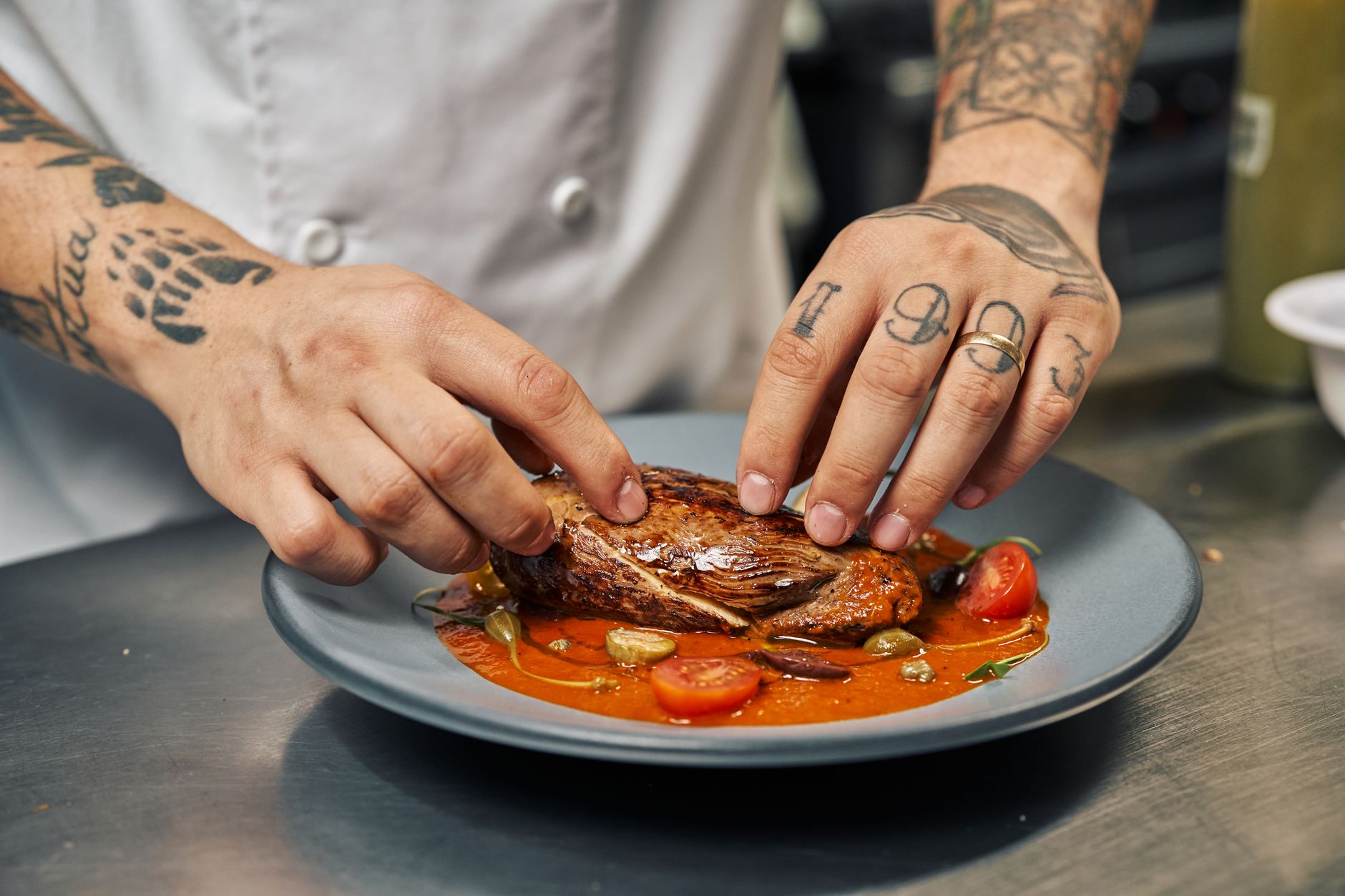
For restaurant operators, the rise of algorithmically driven food trends presents both immense opportunities and severe operational challenges. Independent diners and national chains alike are feeling pressure to offer dishes that look visually striking on camera. This has led to an era of hyper aesthetic menu development, where cheese pulls, vibrant colors, and dramatic table side presentations are engineered specifically for social media shareability.
Some restaurant groups are taking the strategy a step further by launching temporary menu items inspired directly by online buzz. However, fast moving digital trends carry significant operational risks. Supply chains built for stability often struggle when demand for a single ingredient spikes exponentially over a forty eight hour period. Furthermore, trend cycles are shorter than ever, meaning an operator who takes three months to develop and test a trendy dish might launch it just as the public interest moves on to the next craze.
GROCERY RETAIL AND THE SUPPLY CHAIN SQUEEZE
The impact of viral culinary video extends far beyond full service restaurants and into the aisles of traditional supermarkets. When a specific recipe captures public imagination, grocery stores frequently experience immediate, localized shortages of key ingredients. Produce managers and center store buyers are now forced to monitor digital feeds to anticipate erratic inventory swings.
Major food manufacturers are adjusting their research and development strategies accordingly. Traditional product development cycles that previously took eighteen to twenty four months are being compressed into weeks. Consumer packaged goods companies are increasingly relying on real time digital analytics to identify emerging food behaviors before they peak, allowing them to rush related products to supermarket shelves while interest remains high.
THE EVOLUTION OF FOOD CULTURE AND IDENTITY
Beyond simple commerce, these digital food trends reflect broader shifts in consumer identity and lifestyle branding. Trends often overlap with distinct aesthetic movements, linking specific foods to broader subcultures and personal expression. Eating a particular meal is no longer just about sustenance or flavor; it has become a performative act of personal branding and cultural participation.
This shift has democratized food criticism and culinary authority. Audiences are increasingly placing their trust in peer creators rather than traditional food writers or celebrity chefs. As a result, culinary authority has become decentralized, allowing hyper local dishes, budget friendly hacks, and non Western cuisines to achieve global prominence without needing approval from traditional media institutions.
CRITICISM AND THE PERILS OF FLEETING FADS
Despite the economic opportunities generated by viral food culture, industry observers urge caution. Critics point out that many visually appealing social media foods prioritize aesthetics over actual taste, balance, and nutritional value. Restaurants that redesign their menus purely to chase internet attention risk alienating loyal core customers if the food fails to deliver on flavor once the camera stops rolling.
Furthermore, the environmental and economic impact of short lived culinary fads can be substantial. Food waste increases when consumers buy specialized ingredients for a single video project and subsequently abandon them. Restaurant operators who invest heavily in equipment or ingredients for a short lived fad may find themselves sitting on dead inventory when consumer interest inevitably shifts toward the next viral sensation.
For the average diner, the dominance of short form video in food culture means more dynamic choices, but it also requires a critical eye. You can expect your local menus and grocery store shelves to change more frequently as operators respond to online demand. While trying viral dishes can be an entertaining way to explore new flavors, shoppers and restaurant guests should remember that visual appeal on a screen does not always translate to quality on the plate.
For industry workers and business owners, adaptability is now a core requirement for survival. Success in the modern food economy requires monitoring digital trends, maintaining flexible supply chains, and knowing the difference between a lasting culinary shift and a fleeting internet fad. Keeping your menu grounded in fundamental culinary quality while remaining open to fresh digital influences is the most sustainable path forward.
Sources and methodology
Reported from the public datasets below.
More from the Foodie Pundit Newsroom
- How Social Media Viral Trends Are Reshaping Grocery Freezer Aisles
- Culinary Shifts Expected by 2026 Are Already Reshaping Commercial Menus
- Viral Craze Drives Skyrocketing UK Demand For Japanese Milk Bread
- How Japanese Milk Bread Became the Latest Viral Sensation in Western Bakeries
- Early Signals Point to Unnamed Restaurant Activity in Florida