How Viral Video Platforms Are Rewriting the Rules of Restaurant Economics
Short-form video platforms are accelerating menu innovation cycles and reshaping how restaurant operators manage inventory and marketing budgets.
By Foodie Pundit Newsroom - Published - Updated - Section: Social Virality
Key points
- Viral social media content has compressed traditional multi-year food trend cycles into a matter of days.
- Operational agility is critical as sudden spikes in consumer demand create localized supply chain shortages for viral ingredients.
- Modern diners increasingly rely on visual platforms over search engines to select dining destinations and order food.
- Successful operators leverage limited-time offers to capture viral momentum without risking permanent inventory write-downs.
Digital platforms have fundamentally transformed the way food trends emerge, spread, and ultimately monetize across the hospitality sector. Recent audience insights from Snapchat reveal a massive shift in consumer behavior, where short-form video content serves as the primary engine driving real-world dining choices. Social media feeds are no longer merely passive entertainment. Instead, they operate as interactive culinary incubators that rapidly test and scale novel dish concepts before traditional menu development cycles can even begin.
This acceleration of the food trend lifecycle presents both unprecedented opportunities and operational hurdles for restaurant owners and food manufacturers. Historically, culinary trends moved slowly through top-tier fine dining establishments, trickled down to casual dining chains, and eventually landed on supermarket shelves over a multi-year span. Today, viral visual platforms compress that timeline from years into a matter of days. A single viral clip featuring a unique ingredient combination can instantly generate national demand, catching suppliers and kitchen managers completely unprepared.
To understand why certain recipes achieve viral status, industry analysts look closely at specific visual and textural attributes. Dishes that explode across social media platforms generally possess striking visual contrast, dynamic interactive elements, or unexpected flavor pairings. High-contrast colors, dramatic cheese pulls, crispy textures, and tableside preparations excel in vertical video formats because they immediately capture scrolling users within the first two seconds.
Furthermore, accessibility plays a crucial role in driving digital engagement into actionable consumer behavior. Trends that dominate user feeds typically rely on easily recognizable foundational ingredients elevated by a single trendy twist. Whether it is a novel preparation technique applied to standard produce or the cross-cultural fusion of familiar comfort foods, these dishes lower the barrier to trial. Viewers feel empowered to recreate the item at home or actively seek out a local restaurant offering a commercial version of the concept.
OPERATIONAL IMPACT ON RESTAURANT KITCHENS
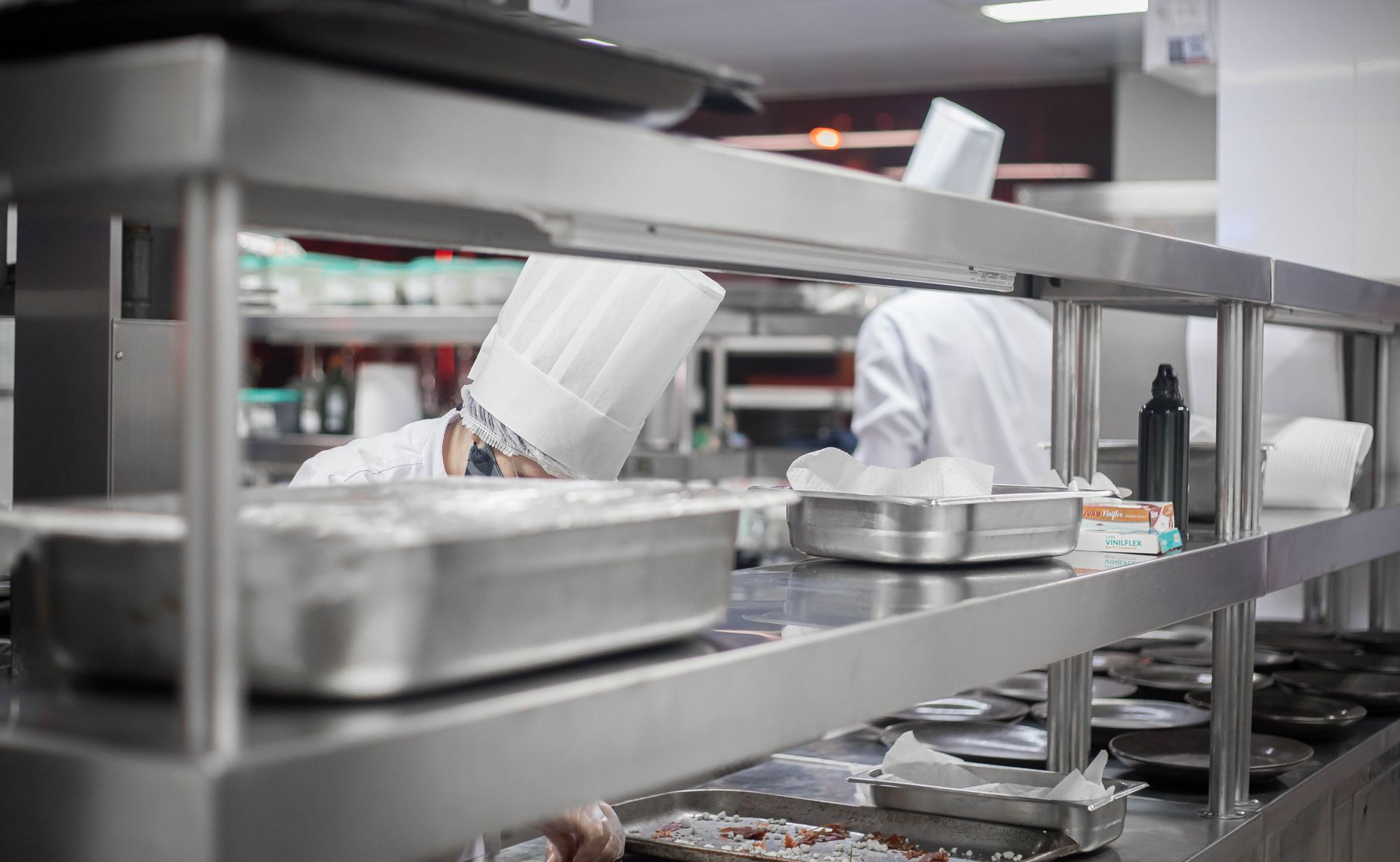
For independent operators and corporate chains alike, adapting to short-lived social media crazes requires extreme operational flexibility. Kitchens must balance the allure of capitalizing on high-margin viral demand with the practical realities of inventory management and staff training. Introducing a temporary viral menu item can drive significant foot traffic and boost short-term revenue, but it also risks disrupting core prep workflows and straining supply chains.
Supply chain fragility becomes particularly acute when a single niche ingredient goes viral overnight. Wholesale distributors frequently report localized stock shortages for items like specific chili pastes, obscure canned fish brands, or specialized dairy products following a spike in social media views. Restaurants that maintain agile distributor relationships and flexible weekly specials are best positioned to capture this transient demand without exposing their business to long-term inventory write-downs when the trend inevitably fades.
THE ROLE OF PLATFORM ALGORITHMS IN CONSUMER SPENDING
algorithmic distribution networks are now powerful brokers of consumer foot traffic. Data indicates that young diners increasingly use visual search and social feeds instead of traditional search engines to decide where to eat. A visually captivating post does not just generate passive likes; it directly converts online attention into physical restaurant reservations and delivery orders.
This direct conversion channel has forced marketing departments to pivot their budgets away from traditional billboard and print advertising toward digital content strategy. Restaurants are actively engineering menu items specifically designed to be photographed and shared by patrons. From branded packaging to theatrical presentation methods, operators are intentionally crafting shareable moments that incentivize customers to perform organic marketing on the restaurant's behalf.
The financial risk associated with social media trends lies in their inherent volatility. A dish that dominates public consciousness for three weeks can become entirely irrelevant by the following month. Successful operators avoid making permanent capital investments around hyper-specific viral foods. Instead, they utilize limited-time offers and pop-up concepts to test consumer appetite while maintaining low overhead costs.
Consumer packaged goods companies are similarly adjusting their product development pipelines to capture social media momentum. Major food brands now deploy real-time monitoring tools to identify emerging recipe trends early in their lifecycle. By quickly launching co-branded products or limited-edition retail lines, packaged goods manufacturers can capture lucrative impulse purchases before consumer attention shifts toward the next digital phenomenon.
For the average consumer, the hyper-acceleration of online food culture means an unprecedented variety of culinary experiences is accessible at your local eateries. However, it also means menu prices for trending ingredients may fluctuate rapidly due to sudden spikes in national demand. Diners should expect to see restaurant menus changing more frequently as chefs experiment with seasonal and internet-famous concepts.
For restaurant operators and industry professionals, surviving in this video-driven market requires a disciplined approach to trend adoption. Kitchens must evaluate whether a viral dish aligns with their core brand identity and existing operational capacity before adding it to the line. By treating social media trends as flexible, limited-time marketing tools rather than permanent menu staples, businesses can harness viral momentum to expand their customer base while protecting their long-term profitability.
Sources and methodology
Reported from the public datasets below.
More from the Foodie Pundit Newsroom
- How Weight Loss Medications Are Rewiring Restaurant Menus and Consumer Cravings
- Michelin Guide Releases 2024 Star Selections as Culinary Economics Shift
- Michelin Guide Unveils 2024 Star Selections as Fine Dining Economics Shift
- How the 2024 Michelin Guide Selections Drive Big Money in Fine Dining
- Pastry Operators Reimagine Classic Desserts to Boost Menu Margins