How Weight Loss Medications Are Rewiring Restaurant Menus and Consumer Cravings
Popular GLP-1 weight loss medications are suppressing cravings for sugar and fat, forcing restaurant chains and food manufacturers to completely overhaul their
By Foodie Pundit Newsroom - Published - Updated - Section: Glp1 Weight Loss
Key points
- GLP-1 medications alter neurological reward pathways, significantly reducing consumer cravings for sugar, fat, and alcohol.
- Restaurants are shifting away from massive portions toward smaller, premium, nutrient-dense plates to maintain check averages.
- Beverage programs are pivoting to functional mocktails and low-sugar options as alcohol and fountain soda sales decline.
- Food manufacturers are developing high-protein, high-fiber packaged products tailored specifically for patients on weight loss therapies.
GLP-1 receptor agonists like semaglutide and tirzepatide have transformed the pharmaceutical landscape over the last two years. While medical professionals focus on their impact on obesity and diabetes, restaurant industry executives are watching a different phenomenon. These medications actively alter neurological reward pathways associated with food, causing sweeping shifts in consumer taste preferences.
As reported by Food Industry Executive, the widespread adoption of these treatments is forcing commercial kitchens to rethink menu engineering. Consumers taking these drugs report a sharp decline in cravings for ultra-processed foods, heavy fried items, and high-sugar desserts. Instead, their appetites tilt toward lean proteins, high-fiber vegetables, and smaller, nutrient-dense portions that provide essential sustenance without triggering nausea.
The underlying biological mechanism of GLP-1 medications extends beyond slowing gastric emptying. The drugs target receptors in the brain that regulate dopamine release, effectively blunting the pleasure hit traditionally associated with fat and sugar. When the neurological reward of a greasy burger or a rich slice of cake diminishes, consumer purchasing patterns change almost overnight.
This shift presents a dual challenge for restaurant operators who rely on high-margin indulgence items. Soda, fried appetizers, and oversized desserts have long funded the thin operating margins of fast food and casual dining establishments. When patrons skip these add-ons, the average check size drops, forcing brand managers to find new ways to maintain profitability.
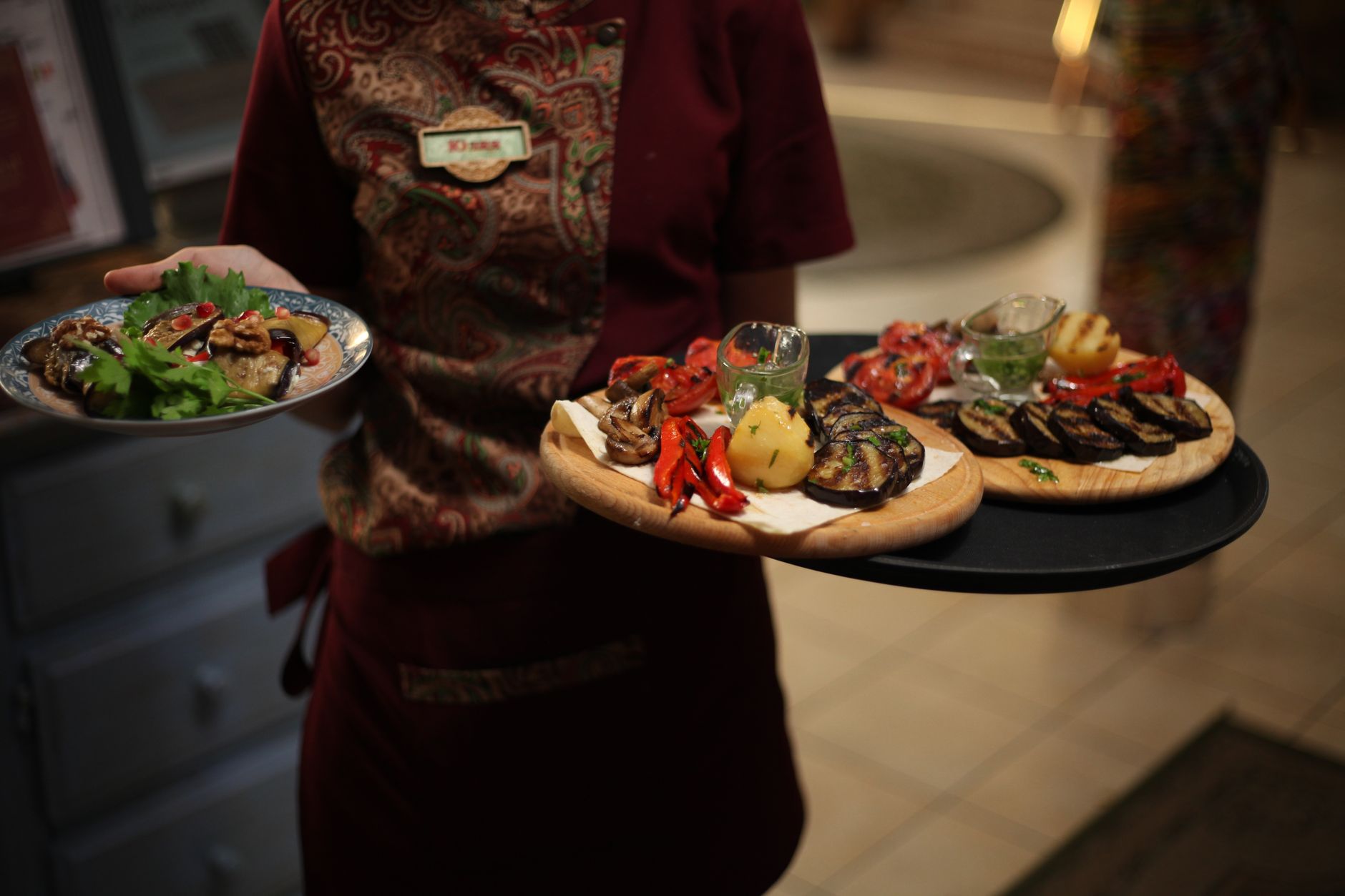
In response to changing consumer behavior, culinary development teams are actively restructuring traditional menu formats. Massive portions designed to convey value are losing their appeal among GLP-1 users, who often report feeling uncomfortably full after just a few bites. As a result, small plates, tapas-style offerings, and customizable protein bowls are gaining traction across casual and quick-service segments.
Shrinking portion sizes does not automatically mean lower revenues if operators package these items effectively. Premium ingredients like fresh seafood, high-grade beef, and artisanal greens can justify higher per-ounce price points. Diners on GLP-1 therapies are increasingly willing to spend more on higher quality food, provided the overall volume remains manageable and digestible.
The impact on beverage sales is equally profound, striking at one of the most profitable sectors in hospitality. Alcohol consumption among GLP-1 users has dropped significantly, driven by the same neurological dampening that reduces sugar cravings. Traditional cocktails, craft beers, and fountain sodas are seeing reduced demand in markets with high medication adoption rates.
To offset these losses, beverage directors are expanding functional drink menus that align with modern health goals. Non-alcoholic spirits, botanical mocktails, and electrolyte-infused waters are taking center stage on beverage lists. These items allow operators to preserve premium beverage margins while catering to guests who are actively avoiding alcohol and high-fructose corn syrup.
The ripple effects extend far beyond sit-down restaurants into the packaged food and grocery sectors. Food manufacturers are re-evaluating product pipelines that were previously dominated by hyper-palatable snack foods. Major food conglomerates are exploring new product lines specifically formulated to meet the nutritional needs of patients undergoing weight loss treatments.
These specialized products prioritize high protein content to prevent muscle loss, alongside added fiber to support digestive health. Packaging is also evolving, with single-serving containers and resealable pouches becoming the industry standard. Food manufacturers recognize that the era of family-sized bags of salty snacks may face persistent headwinds as prescription rates continue to climb.
For restaurant kitchens, adapting to these refined tastes requires operational agility and staff retraining. Kitchen staff must master delicate preparation methods that highlight natural flavor profiles without relying on heavy sauces, batters, or excessive sodium. Fresh herbs, acid-based marinades, and wood-fired grilling techniques are replacing deep fryers and heavy cream reductions.
Supply chains must also adjust to accommodate higher turnover rates for perishable, fresh produce and lean proteins. Managing inventory becomes more complex when consumer demand shifts away from shelf-stable, processed goods toward fresh ingredients with shorter shelf lives. Kitchen managers are relying more heavily on predictive analytics to minimize food waste while maintaining fresh stock.
While some industry analysts initially viewed GLP-1 drugs as a temporary trend, current prescription data suggests lasting structural change. As insurance coverage expands and generic alternatives eventually enter the market, the proportion of the population taking these medications will likely grow. Restaurant chains that fail to adjust their menu architecture risk losing market share to agile concepts that embrace the shift.
Forward-thinking brands are already conducting consumer panels to track the changing preferences of medicated diners. By treating this demographic shift as a long-term evolution rather than a short-term crisis, operators can innovate effectively. The future of dining out may focus less on sheer abundance and far more on nutrient density, culinary precision, and wellness.
As a consumer, you will likely notice significant changes during your next restaurant visit. Menus will feature more flexible sizing options, allowing you to order high-quality proteins and side dishes in smaller, modern portions. High-sugar desserts and heavy fried appetizers will increasingly share space with light, produce-forward items and functional beverages.
If you are currently taking a GLP-1 medication, finding satisfying dining options will become much easier as the market adapts. You can expect clearer nutritional labeling, more customizable bowl concepts, and elevated non-alcoholic drink menus at both fast-casual and fine-dining establishments. Ultimately, the industry wide shift toward nutrient-dense, high-quality ingredients benefits health conscious diners across the entire consumer spectrum.
Sources and methodology
Reported from the public datasets below.
More from the Foodie Pundit Newsroom
- Michelin Guide Releases 2024 Star Selections as Culinary Economics Shift
- Michelin Guide Unveils 2024 Star Selections as Fine Dining Economics Shift
- How the 2024 Michelin Guide Selections Drive Big Money in Fine Dining
- Pastry Operators Reimagine Classic Desserts to Boost Menu Margins
- Beyond Meat Rolls Out Upgraded Product Line to Retailers Nationwide