The Lost Supper: Can Indigenous Food Traditions Survive the American City?
A growing crisis is unfolding in American cities as Indigenous populations struggle to access traditional foods, threatening their cultural heritage. This is th
By Foodie Pundit Newsroom - Published - Updated - Section: Grocery Cpg
Key points
- Over half of all American Indian and Alaska Native (AI/AN) people now live in cities, where they face unique challenges to accessing traditional foods due to high costs, lack of land access, and fragmented community networks.
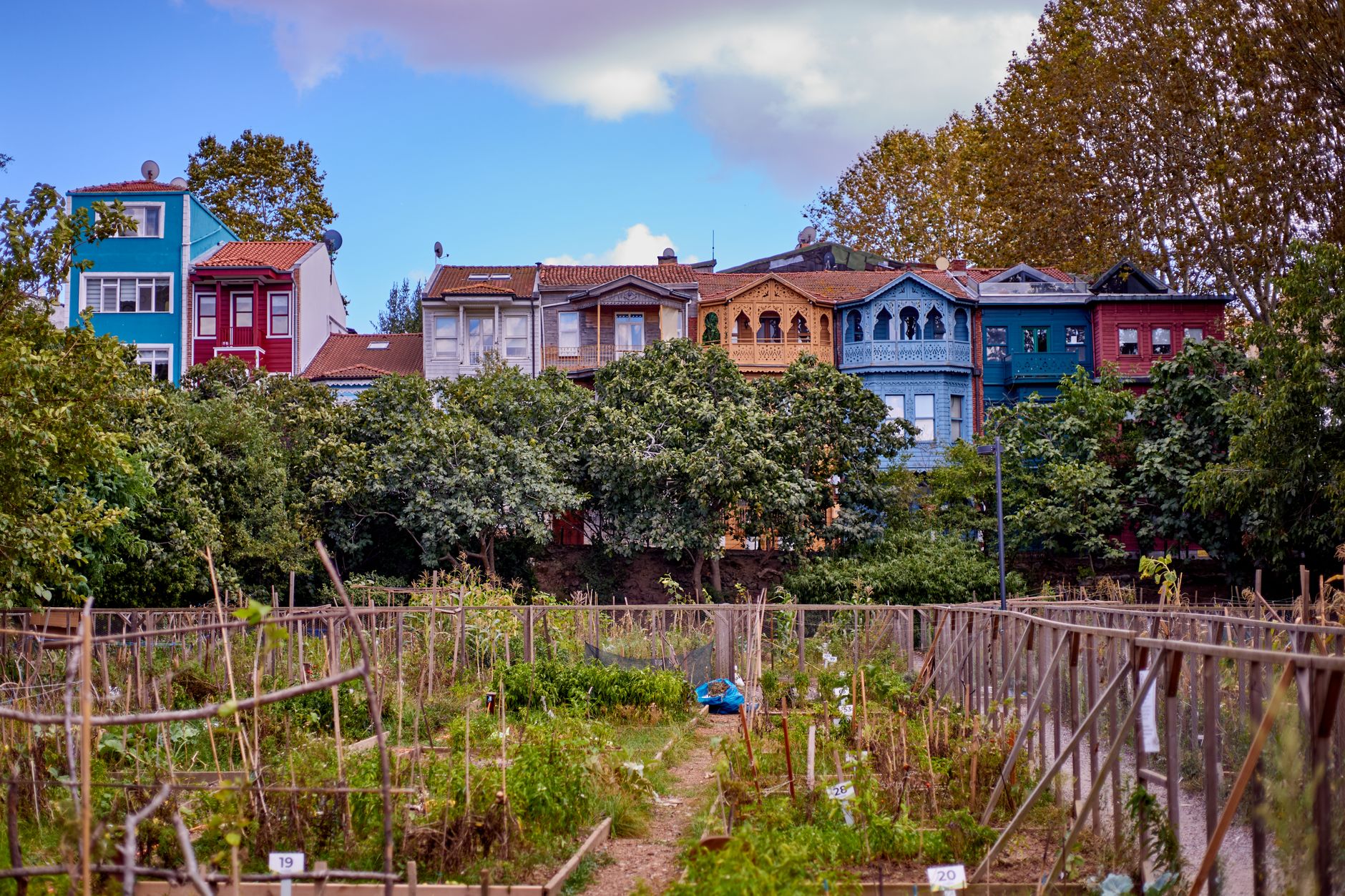
- The concept of Indigenous food sovereignty is expanding from a rural issue to a critical urban one, as communities in cities like Anchorage and Baltimore innovate to preserve their culinary heritage.
- Despite significant barriers, urban AI/AN communities are creating resilient food systems through community gardens, food sharing networks, and cultural workshops, demonstrating that community is key to innovation.
- Urban policies often fail to consider the specific needs of Indigenous residents, highlighting a need for more inclusive approaches to city planning, public health, and food access that support cultural food practices.
This report is part of Foodie Pundit premium coverage. Foodie Pundit members read the full story. See membership.
Sources and methodology
Reported from primary records. Open any source to verify a claim.
More from the Foodie Pundit Newsroom
- GLP-1 Drugs Alter Consumer Taste Preferences, Forcing Restaurant and Grocery Adaptations
- Dominos Slashes Pizza Prices by 50 Percent in Strategic Discounting Push
- Taco Bell Contradicts Layoff Rumors with Aggressive 5,000-Job Hiring Push This Summer
- The Unseen Food Chain That Could Rewrite Your Grocery Bill
- Food Giants Overhaul Menus and Products as GLP-1 Medications Reshape American Caloric Demand