Japanese Milk Bread Becomes Latest Social Media Trend to Reshape UK Bakery Sector
The viral Asian loaf is taking British bakeries and home kitchens by storm thanks to its unique softness and social media appeal.
By Foodie Pundit Newsroom - Published - Updated - Section: Desserts Snacks
Key points
- Social media platforms like TikTok are driving massive consumer demand for Japanese milk bread across the UK.
- The unique soft texture comes from the tangzhong method, which cooks flour and liquid into a pre-dough roux.
- Bakeries and cafes are achieving high margins by using shokupan for premium sweet and savory sandwich applications.
- The bread is expected to follow the commercial path of brioche, moving from specialty cafes to mainstream supermarket shelves.
The culinary landscape in the United Kingdom is undergoing a soft, pillowy transformation driven largely by social media trends. Japanese milk bread, known traditionally as shokupan, has emerged as the latest bakery phenomenon to capture the imagination of British consumers and food operators. The enriched, fluffy loaf has transitioned from niche Asian bakeries to high street menus and home kitchens across the country. According to reporting by The Guardian, short-form video platforms like TikTok have served as the primary catalyst for this rapid rise in popularity, transforming a regional staple into a nationwide craving.
The appeal of shokupan lies in its distinct texture and subtle sweetness, which sets it apart from traditional western artisanal loaves like sourdough or rustic baguettes. The secret behind its uniquely tender crumb is a pre-dough technique called tangzhong, or yudane, which involves cooking a small portion of flour and liquid into a roux before adding it to the main dough mixture. This process gelatinizes the starches in the flour, allowing the dough to absorb and retain significantly more moisture throughout the baking process. The result is a loaf that remains incredibly soft, pillowy, and fresh for several days without the need for artificial preservatives.
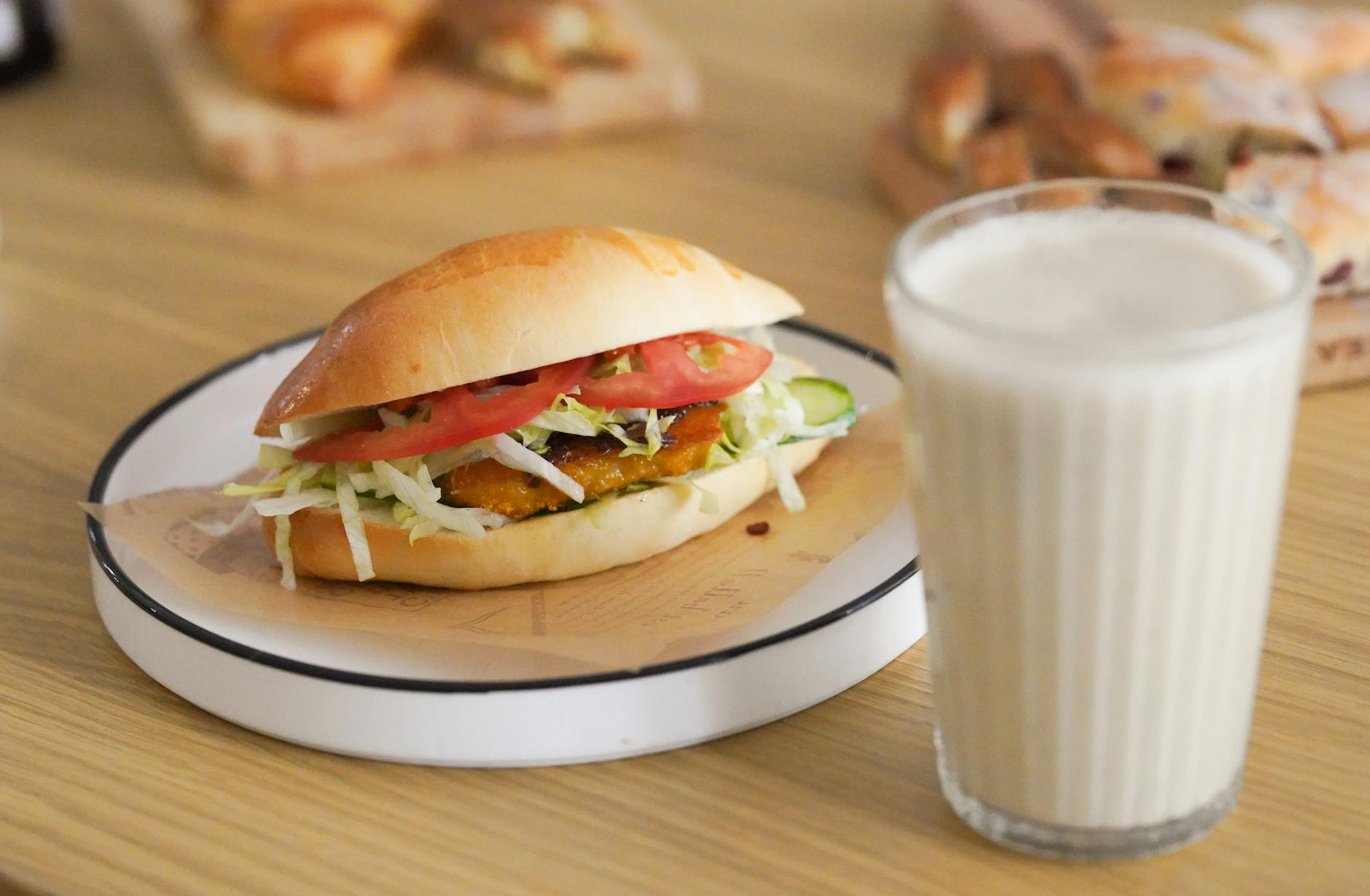
For the British restaurant and retail sector, the surge in consumer interest presents a compelling commercial opportunity. Bakeries and specialty cafes in major metropolitan areas are seeing high demand for fresh shokupan, often selling out within hours of opening. The versatile nature of the bread makes it an ideal canvas for both sweet and savory applications, ranging from thick cut french toast to elaborate fruit sandos filled with whipped cream and fresh berries. Furthermore, savory menu items like katsu sandwiches benefit immensely from the structural integrity and gentle sweetness of milk bread, which complements rich, fried proteins.
INDUSTRY ADOPTION AND COMMERCIAL SCALABILITY
Commercial bakeries are increasingly looking at ways to integrate shokupan techniques into broader production cycles. While traditional sourdough requires long fermentation times and complex handling, milk bread relies heavily on precise hydration levels and enriched ingredients such as milk, butter, and condensed milk. While these ingredients increase raw material costs compared to simple lean doughs, the premium prices consumers are willing to pay for fresh Japanese milk bread offer generous profit margins for operators. Specialty bakeries are capitalizing on this margin by offering custom loaves, flavored variations like matcha or ube, and pre-packaged slices designed for retail distribution.
The trend highlights a broader shift in consumer preferences toward comfort food textures and visually engaging culinary experiences. The aesthetic nature of shokupan, particularly its slow-motion tearability and golden crust, makes it exceptionally well suited for digital content creation. As users share videos of squishing, slicing, and spreading jam on these ultra-soft loaves, the viral feedback loop continues to drive foot traffic into local bakeries and supermarkets. This digital loop has shortened the time it takes for an international food item to achieve mainstream popularity in the British market.
The craze has extended beyond commercial purchases into the realm of home baking, where enthusiasts are attempting to replicate viral recipes in their own kitchens. Supermarkets and ingredient suppliers are noticing increased demand for high-protein bread flours and specialized baking tins designed to yield the classic square shape associated with traditional shokupan. Baking instructors and online creators have responded by offering detailed tutorials focused on mastering the tangzhong method, bringing advanced Asian baking techniques into everyday British households.
This home baking boom reflects a continuation of consumer habits formed during recent years, where domestic cooking projects served as both entertainment and a way to explore global flavors. While sourdough dominated earlier home baking trends, milk bread appeals to a different demographic that values soft textures and quick, satisfying results over sour, chewy profiles. The forgiving nature of enriched doughs makes shokupan an accessible entry point for novice bakers looking to achieve professional results at home.
Industry analysts suggest that Japanese milk bread is poised to transition from a trendy social media novelty into a permanent fixture of the UK bakery market. As major grocery retailers take note of the demand, pre-sliced milk bread is beginning to appear on supermarket shelves alongside standard sandwich loaves. This commercial expansion is likely to mirror the path of previous bakery innovations like brioche, which started as a specialty restaurant item before becoming a ubiquitous staple for burger buns and breakfast dishes across the UK.
The continued diversification of the British palate suggests that Asian-inspired bakery products will hold a permanent share of the market moving forward. While social media trends come and go quickly, products that deliver on taste, texture, and versatility tend to endure. Japanese milk bread satisfies all three criteria, ensuring its place on restaurant menus and kitchen counters for years to come.
For consumers and food enthusiasts, the rise of Japanese milk bread means greater access to high-quality, ultra-soft bakery options at local shops and restaurants. You can expect to see more cafes using shokupan for sandwiches, toast dishes, and desserts, offering a richer alternative to standard commercial white bread. If you enjoy baking at home, mastering the simple tangzhong method provides an easy way to elevate your everyday sandwich loaves with minimal additional equipment.
For restaurant operators and bakery owners, incorporating milk bread into your menu offers a proven method to attract younger consumers who follow online food trends. The bread commands a premium price point while utilizing accessible ingredients, making it a lucrative addition to breakfast and lunch offerings. Monitoring how quickly products like shokupan move from viral social media posts to mainstream retail shelf space can help you identify upcoming consumer preferences before your competitors do.
Sources and methodology
Reported from the public datasets below.
More from the Foodie Pundit Newsroom
- Legacy Italian Restaurants Face Industry Headwinds as Operational Costs Soar
- New Restaurant Aguasal Has Opened in Miami Beach
- How Short Form Video Algorithms Now Control The Global Food Supply Chain
- How the Viral Snack Board Craze Is Reshaping Restaurant Menus and Retail Strategy
- How Butter Boards Transformed Simple Spreadables Into High Margin Menu Winners