Japanese Milk Bread Shokupan Captivates UK Market as Artisanal Demand Soars
Social media trends and specialized baking methods drive rapid growth for Japanese milk bread across British retail and restaurant markets.
By Foodie Pundit Newsroom - Published - Updated - Section: Restaurants
Key points
- Shokupan is experiencing explosive demand across the UK driven by viral social media exposure and changing consumer preferences for softer bread textures.
- The signature tenderness and extended shelf life of the loaf stem from the tangzhong technique, a pre-cooked flour paste that retains high moisture.
- Bakeries are leveraging premium pricing for shokupan, though scaling production requires specialized labor and adapted machinery.
- Major UK retailers are monitoring the trend to introduce packaged versions, following the path of previous global culinary imports.
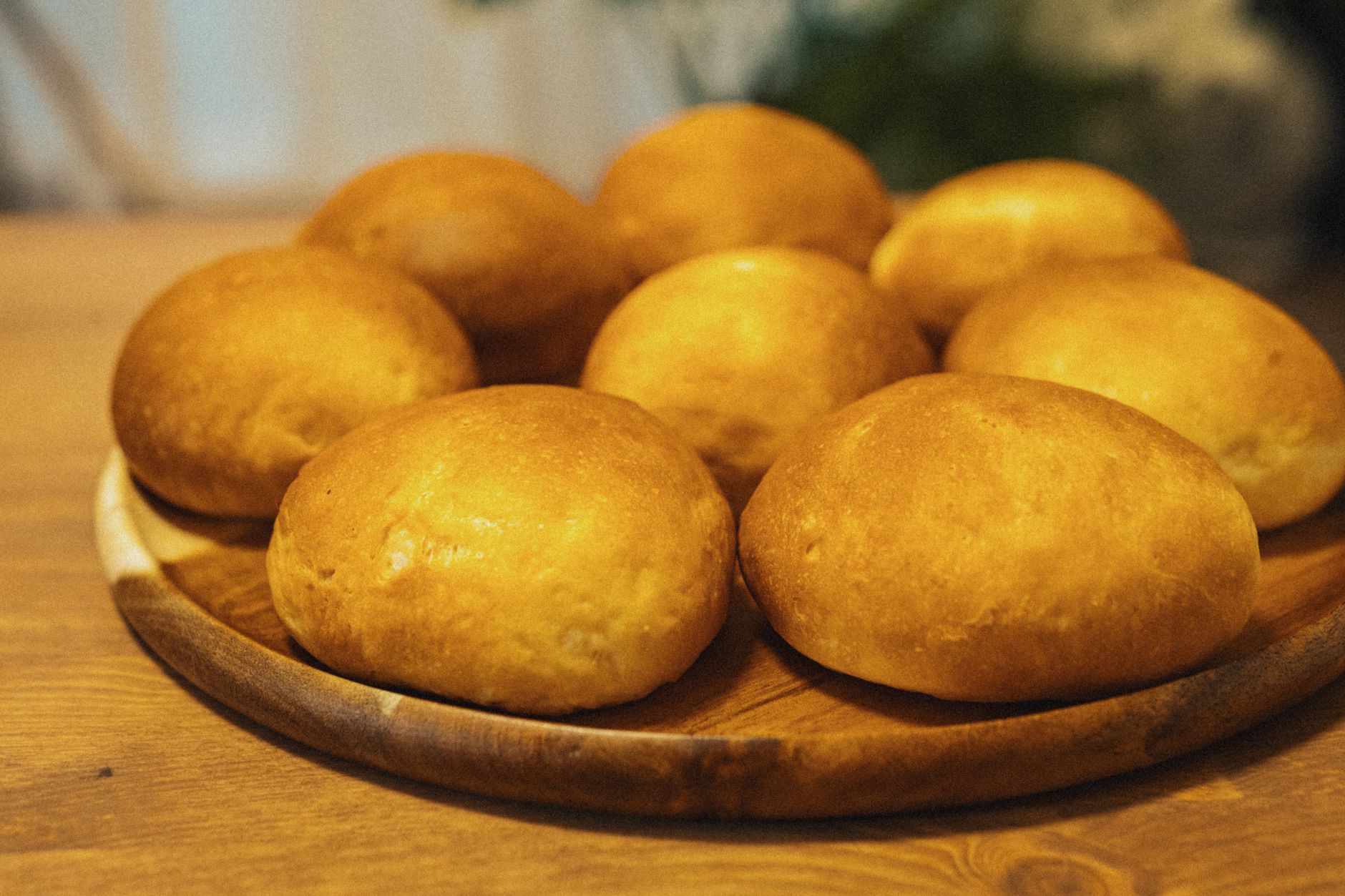
The British bakery landscape is undergoing a profound transformation driven by social media algorithms, specialized foreign techniques, and changing consumer tastes. Shokupan, the exceptionally soft and airy Japanese milk bread that has dominated social feeds globally, is establishing a firm foothold across the United Kingdom. What began as a niche offering in specialty Asian bakeries in London has rapidly scaled into a mainstream culinary phenomenon. Independent artisans and high-volume commercial producers alike are racing to meet unprecedented demand for this distinctly pillowy loaf.
Reporting from The Guardian highlights how viral video platforms, particularly TikTok, have catalyzed this culinary shift across the country. Users are captivated by the dramatic visual appeal of shokupan, specifically its cloud-like interior texture, high-domed crust, and satisfyingly elastic tear. Beyond its visual charm, the bread offers a uniquely delicate sweetness and rich crumb that differentiates it from traditional European sourdoughs or standard packaged white loaves. As a result, bakeries offering authentic shokupan are experiencing long queues and rapid sell-outs on a daily basis.
The defining characteristic of shokupan lies in a specialized technique known as tangzhong, or water roux. This process involves pre-cooking a small portion of the recipe's flour with water or milk until it forms a gelatinized paste before incorporating it into the main dough. Gelatinizing the starches enables the dough to absorb and retain significantly higher levels of liquid than standard bread formulations. Consequently, the finished loaf remains exceptionally moist, tender, and soft for days without relying on chemical preservatives.
In addition to the tangzhong starter, traditional shokupan recipes incorporate generous proportions of whole milk, high-fat butter, sweetened condensed milk, and heavy cream. High-gluten bread flour is rigorously kneaded to build a strong, flexible gluten network capable of trapping steam and gas during the baking process. This precise combination of high hydration, rich dairy fats, and intensive mechanical working yields a structural matrix that feels weightless yet retains structural integrity when sliced thick.
COMMERCIAL ADAPTATION AND COST STRUCTURES
From an economic perspective, shokupan represents a high-margin opportunity for retail bakeries capable of mastering its labor-intensive production cycle. While standard tin loaves sell for modest sums in supermarket aisles, artisanal shokupan routinely fetches premium prices ranging from six to ten pounds per loaf in urban British markets. The elevated price point is justified by longer proofing times, specialized ingredients like imported Japanese flour, and the skilled labor required to shape the dough rolls correctly before baking.
However, scaling shokupan production presents distinct operational challenges for high-volume bakeries. The soft, high-hydration dough is notoriously sticky and difficult to process using standard industrial automated equipment designed for denser European doughs. Additionally, the precise control of oven humidity and temperature is required to achieve the characteristic light golden crust without drying out the crumb. As demand expands beyond boutique shops into regional wholesale distribution, bakeries are investing in specialized equipment to automate shaping while preserving the bread delicate interior structure.
While shokupan feels like a novel trend to British consumers, its history stretches back to late nineteenth-century Japan. Western-style bread was introduced during the Meiji Restoration as part of a broader effort to modernize the national diet. Over decades, Japanese bakers refined these early recipes to suit local preferences, prioritizing extreme softness, subtle sweetness, and a fine, uniform crumb structure. The term shokupan translates literally to eating bread, reflecting its role as an everyday staple rather than a ceremonial food.
The rapid acceptance of shokupan in the United Kingdom underscores a broader shift in Western consumer preferences away from crusty, chewy sourdoughs toward comforting, soft textures. Food industry analysts note that after years of sourdough dominance, consumers are seeking novelty in softer forms of comfort food. Shokupan satisfies this craving while maintaining an aura of craft sophistication, allowing consumers to indulge in white bread without feeling they have compromised on artisanal quality.
As commercial availability grows, the home baking movement around shokupan is expanding in parallel. E-commerce platforms and Asian specialty supermarkets across the United Kingdom report surging sales of specialized square Pullman loaf tins with sliding lids, which are necessary to produce the perfectly square sandwich slices featured online. Home bakers are drawn to the technical challenge of mastering tangzhong, viewing it as a rewarding skill that yields immediate sensory results.
Major British grocery chains are taking note of the trend, exploring packaged shokupan lines to compete with independent bakeries. While mass-produced versions may struggle to replicate the exact texture achieved by small-batch artisans, their entry into the market will further democratize access to Japanese-style baked goods. The transition from social media novelty to supermarket staple mirrors the trajectory of previous global food trends like French macarons and Japanese mochi.
For everyday shoppers and dining enthusiasts, the rise of shokupan means greater access to premium, highly versatile baked goods at local outlets. Whether purchased fresh from an artisan shop or baked at home, shokupan excels in both savory and sweet applications, making exceptional toast, fruit sandos, and elevated grilled cheese sandwiches. While price points for authentic local loaves remain high compared to conventional white bread, the superior shelf life provided by the tangzhong method offers strong value by reducing household food waste. Consumers should expect to see shokupan featured prominently on restaurant brunch menus and specialty retail shelves nationwide in the coming months.
Sources and methodology
Reported from the public datasets below.
More from the Foodie Pundit Newsroom
- Raising Cane's Plots Major Florida Expansion, Confirms Initial Openings
- Croissant Ice Cream Dominates Social Feeds as Bakeries Capitalize on Hybrid Dessert Craze
- The Butter Board Boom: How a Viral TikTok Trend Redefined Shared Appetizer Economics
- Modern Pastry Innovation Redefines Commercial Bakery Menus
- How Stovetop Curry Trends Are Reshaping Fast Casual Value Expectations