Why Are Midwestern Farmers Planting Trees in Their Cornfields?
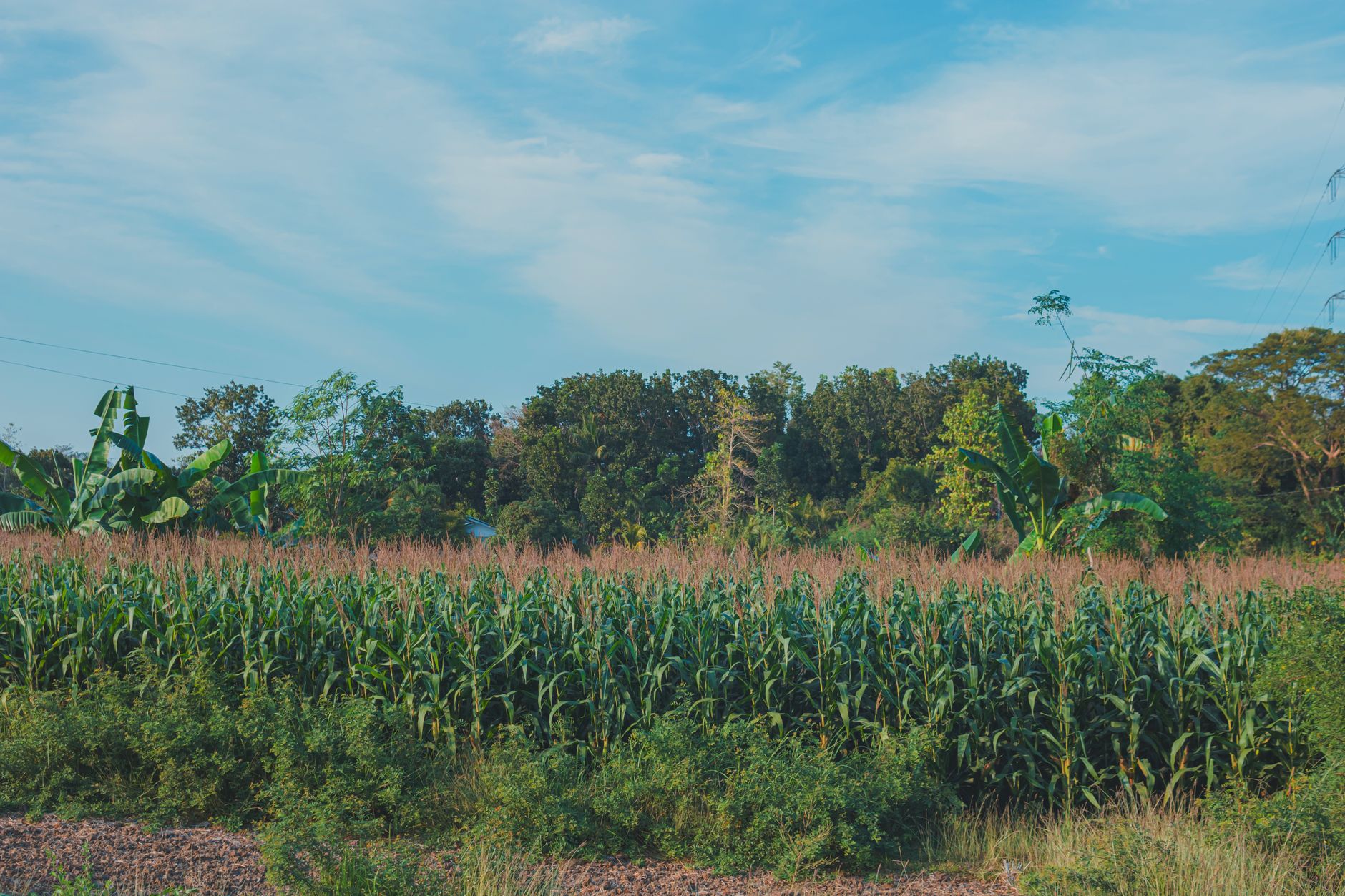
A growing number of Midwestern farmers are planting trees in their cornfields. This practice, known as agroforestry, aims to boost soil health and create new re
By Foodie Pundit Newsroom - Published - Updated - Section: Sustainability
Key points
- Agroforestry, the practice of integrating trees with crops, is being adopted by Midwestern farmers as a strategy to diversify income and hedge against volatile commodity markets.
- High-value tree crops like chestnuts and elderberries can generate significantly more revenue per acre than traditional corn and soybeans, turning previously unprofitable land into a profit center.
- The primary obstacle to wider adoption is the lack of established supply chains and processing infrastructure for these niche crops, creating a market risk for farmers.
- Agroforestry improves farm resilience to climate change by enhancing soil moisture, reducing erosion from wind and water, and lowering the need for expensive inputs like fertilizer and irrigation.
- This shift could lead to more locally grown specialty produce for consumers and a more stable, environmentally friendly food system, but requires investment and policy changes to scale.
This report is part of Foodie Pundit premium coverage. Foodie Pundit members read the full story. See membership.
Sources and methodology
Reported from the public datasets below.
More from the Foodie Pundit Newsroom
- Swedish Chef Food Truck Borks into Disney Hollywood Studios 2026
- Beyond Soy and Fishmeal: How Insect Protein is Transforming Animal Feed Economics
- The "Healthy" Illusion: How Outdated FDA Rules Are Misleading Shoppers
- Farmed Insects Emerge as the Crucial Ingredient for the Future of Livestock Feed
- Hot Ice Is The Internet's New Favorite Science Experiment