Those Fancy School Lunches in Minnesota? Here's Who Is Paying For Them.
Minnesota's universal school meals program aims to provide high-quality, local food to all students, but who really pays? An analysis of the true economic cost.
By Foodie Pundit Newsroom - Published - Updated - Section: Coffee Cafes
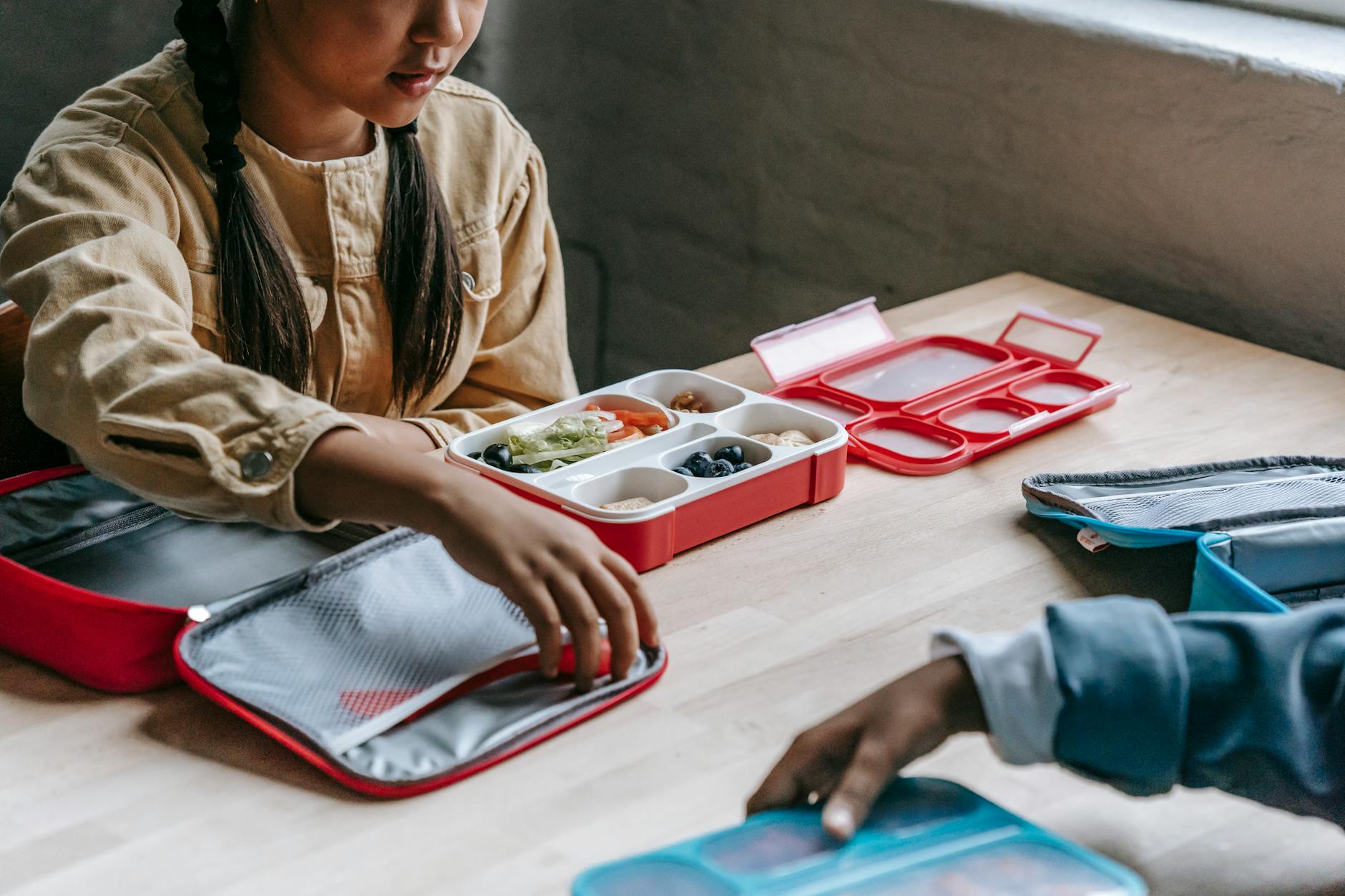
Key points
- Minnesota's universal free school meal program costs the state about $200 million annually to cover students not eligible for federal aid.
- The per-meal reimbursement of roughly $4.50-$5.00 must cover food, labor, and overhead, making it challenging to afford premium local ingredients.
- Large urban districts like Minneapolis have successfully partnered with local food hubs, while smaller rural districts face logistical and administrative barriers.
- Small farms face costs like GAP certification (around $1,500) and lack of processing infrastructure, creating hurdles to entering the school market.
- The program's success is driving a shift in conversation from social welfare to local economic development, but political debates over funding create uncertainty.
This report is part of Foodie Pundit premium coverage. Foodie Pundit members read the full story. See membership.
Sources and methodology
Reported from the public datasets below.
More from the Foodie Pundit Newsroom
- Keke’s Breakfast Cafe Targets Mid-July Opening in Hollywood, Florida
- How Dinner Timing Influences Weight Loss and Reshapes Restaurant Schedules
- Clinical Studies Highlight Severe Gastrointestinal Complications Linked To Popular Weight Loss Drugs
- Seattle's Biscuit Bitch Is Back In Expansion Mode
- Spicy Menu Innovation Signals Next Phase of Fast Food Chicken Wars