Modern Pastry Innovation Redefines Commercial Bakery Menus
Culinary operators are reimagining traditional bakery classics with global flavors and striking visual appeal to boost profit margins.
By Foodie Pundit Newsroom - Published - Updated - Section: Desserts Snacks
Key points
- Traditional sweet treats are being updated with high-end ingredients and complex flavor pairings to boost margins.
- Visual presentation and multi-layered textures are driving organic marketing on digital platforms.
- Global flavors like ube, yuzu, and matcha are becoming standard across Western bakery formats.
- Consumer demand is shifting toward balanced sweetness and smaller, higher-quality portions.
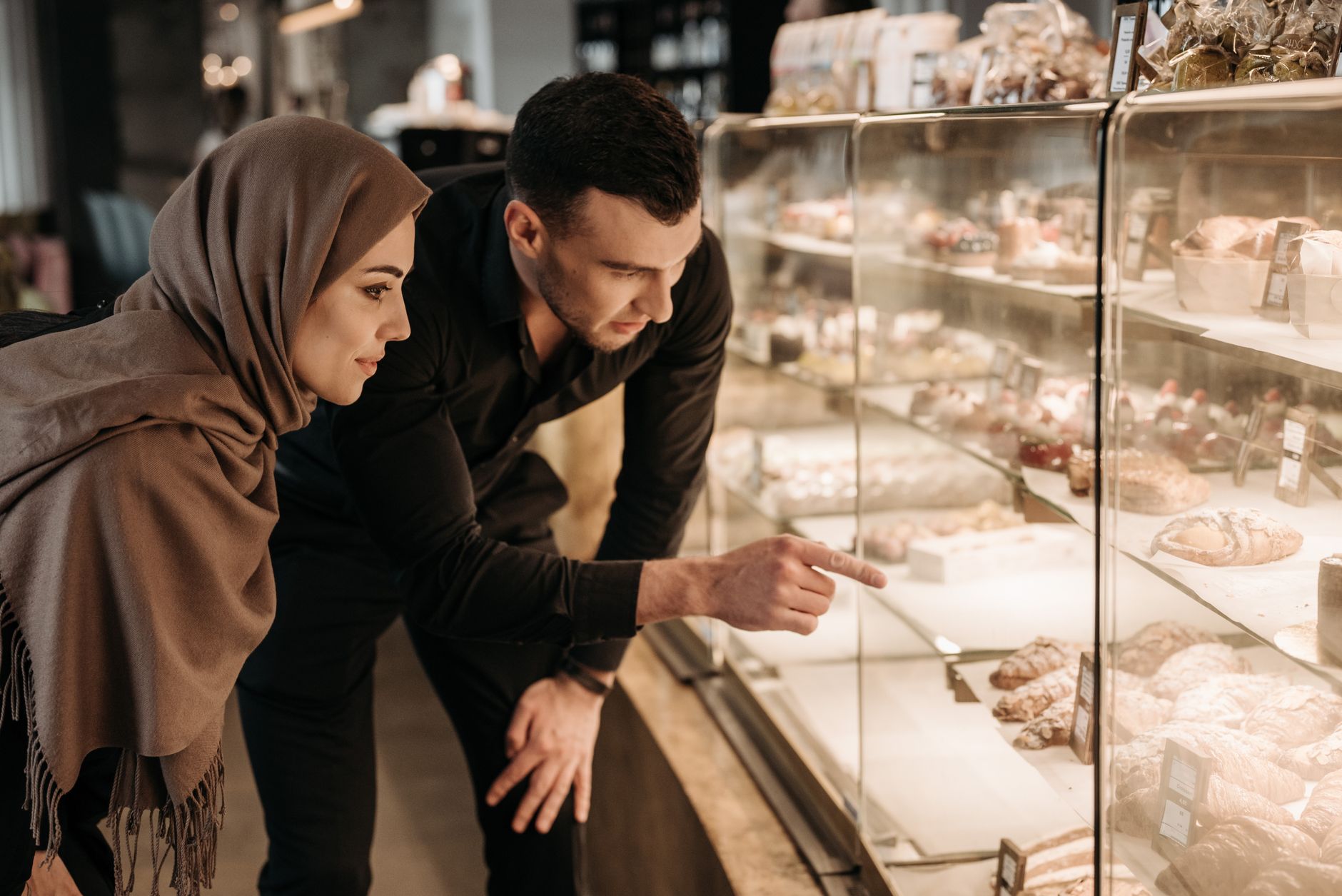
The modern pastry case is undergoing a dramatic shift as culinary artists rethink traditional recipes to capture consumer attention. For decades, classic sweets like standard chocolate brownies, simple cookies, and standard fruit pies dominated bakery menus. Today, dynamic flavor combinations and striking visual presentations are redefining the commercial dessert landscape.
Industry analysis from Bake Magazine points to a growing consumer demand for complex texture contrasts and elevated aesthetics. Bakery operators are finding that standard recipes no longer command the premium prices necessary to offset rising ingredient and labor costs. To maintain healthy margins, bakeries are executing modern glow ups on familiar favorites, transforming simple baked goods into complex, multi-layered culinary experiences.
The transformation begins with fundamental ingredients, where basic dairy and sugar bases are being upgraded with premium, origin-specific components. Traditional chocolate brownies are receiving additions like miso-infused caramel, smoked sea salt, and single-origin dark cocoa nibs. These updates add sophisticated flavor notes while retaining the comforting familiarity that draws consumers to the pastry counter initially.
Texture plays an equally critical role in this modern pastry evolution. Culinary teams are combining crisp, flaky layers with soft, velvety creams to create multi-sensory experiences within a single bite. Laminated doughs are being paired with unexpected fillings like black sesame paste, cardamom cream, and tangy passion fruit curd, creating a striking contrast that appeals to adventurous eaters.
Visual appeal has become a primary driver of purchasing decisions in the current market environment. Consumers frequently interact with food content through digital channels before ever entering an establishment, making visual presentation a core component of product development. Pastry chefs are responding with vibrant color palettes, glossy glazes, and intricate geometrical shapes that stand out on digital screens.
This focus on aesthetics extends beyond simple decoration to encompass the structural engineering of the dessert itself. Modern cakes and tarts are designed to showcase distinct internal layers when sliced, encouraging customers to document and share their dining experiences online. This organic social promotion creates a powerful marketing loop for bakeries without requiring massive advertising budgets.
Another key trend shaping the sweet goods segment is the integration of global flavor profiles into Western pastry formats. Ingredients such as ube, matcha, yuzu, and guava are moving from niche specialty shops into mainstream commercial bakeries. These bold flavors offer a unique twist on familiar shapes like croissants, donuts, and choux pastry shells.
Reporting from Bake Magazine highlights how these global influences allow operators to differentiate their product lines in crowded urban markets. By pairing an accessible format like a muffin or Danish with an exotic fruit or tea flavor, bakeries reduce the risk associated with introducing unfamiliar menu items. Customers feel comfortable trying new tastes when presented in a recognizable structure.
THE SHIFT AWAY FROM OVERLY SWEET PROFILES
As consumer preferences evolve, the demand for excessively sweet, heavy desserts is steadily declining. Modern palates favor balanced flavor profiles that incorporate acid, bitterness, and savory notes to cut through rich fats. Citrus juices, fermented elements, and botanicals are increasingly used to brighten dense pastries and create a lingering finish on the palate.
This shift toward balanced sweetness also aligns with broader consumer interest in mindful indulgence. Patrons are looking for high-quality treats that deliver intense flavor without feeling overly heavy or cloying. Smaller portion sizes with higher flavor complexity are proving particularly popular among urban professionals seeking an afternoon pick-me-up.
From a business perspective, upgrading dessert menus offers significant margin opportunities for foodservice operators. While premium ingredients like real vanilla bean, specialty nuts, and fruit purees cost more upfront, the perceived value of these elevated items allows for higher menu prices. A standard brownie might fetch a modest price, but a elevated, plated variation can command twice as much.
Cross-utilization of ingredients across multiple menu items also helps kitchens manage inventory costs effectively. A specialized fruit compote can serve as a tart filling, a pancake topping, and a component in a savory meat dish, maximizing product usage. Efficient kitchen prep strategies ensure that these complex visual presentations can be assembled quickly during high-volume service periods.
For consumers, this evolution in the bakery case means access to more exciting and nuanced sweet treats at local establishments. You can expect to see fewer generic options and more innovative flavor pairings that cater to refined tastes. While prices for these elevated items may reflect their premium components, the overall quality and experience continue to reach new heights.
For bakery owners and restaurant operators, staying competitive requires a willingness to update classic formulations without sacrificing core appeal. Investing in high-quality ingredients, visual design, and thoughtful flavor balancing can drive higher check averages and build strong brand loyalty. Embracing these culinary trends allows operators to stand out in a dynamic food retail landscape.
Sources and methodology
Reported from the public datasets below.
More from the Foodie Pundit Newsroom
- How Stovetop Curry Trends Are Reshaping Fast Casual Value Expectations
- KFC Prepares Unexpected Menu Expansion as Fast Food Chains Pivot to Novelty Items
- Canadian Grocery Costs Surge as Food Price Inflation Persists
- Social Media Food Craze Sparks Urgent Warnings From Health Professionals
- Jack in the Box Plots Florida Return With Three Space Coast Locations