Next Generation Restaurant Economics Focus on Fiber, Hojicha, and Atmospheric Curation
Hospitality operators are updating menus and dining room environments to capture shifting consumer demands for functional wellness and relaxing atmospheres.
By Foodie Pundit Newsroom - Published - Updated - Section: Restaurants
Key points
- Functional dining trends are shifting heavily toward fiber-rich grains and digestive wellness ingredients.
- Roasted green tea, known as hojicha, is becoming a mainstream non-alcoholic beverage and dessert staple.
- Atmospheric design and sensory dining room environments are critical tools for boosting guest retention.
- Hospitality operators are adapting supply chains and front-of-house training to execute these modern culinary concepts efficiently.
INDUSTRY PERSPECTIVES ON FUTURE MENU DESIGN
The restaurant industry is preparing for a significant shift in consumer preferences over the next two years, driven by evolving wellness priorities and a demand for sensory experiences. According to new research from American Express, dining establishments are re-evaluating their core offerings to align with shifting guest behaviors. Operators across fine dining, fast casual, and beverage concepts are already testing new ingredients and ambient strategies to capture early market share.
The financial performance of modern hospitality brands relies heavily on anticipating these micro-shifts before they saturate the mainstream market. Commercial kitchens are adjusting their procurement supply chains to source specialized commodities that cater to high-margin niche markets. At the same time, floor management strategies are being redesigned to maximize guest duration and check averages through carefully curated physical environments.
THE RISE OF FIBERMAXXING IN COMMERCIAL KITCHENS
Functional dining is entering a new phase where micro-nutrients take a backseat to macro-digestive wellness. Diners are moving beyond simple protein targets and actively seeking out menus that emphasize high-fiber ingredients, a phenomenon known in industry circles as fibermaxxing. This movement goes far beyond traditional salads, pushing chefs to integrate leguminous grains, prebiotic roots, and specialized seed blends into center-of-the-plate creations.
According to reporting from American Express, consumers are showing a higher willingness to pay premium prices for dishes that offer clear, functional digestive benefits without sacrificing culinary sophistication. Restaurants are responding by elevating humble ingredients like ancient farro, sunchokes, chickpea flour derivatives, and upcycled fruit fibers. Modern prep lines are incorporating these high-fiber elements into everything from house-baked bread programs to thickened pan sauces, providing a subtle nutritional boost that resonates with wellness-minded patrons.
HOJICHA TAKES CENTER STAGE IN BEVERAGE PROGRAMS
The non-alcoholic beverage space continues to undergo aggressive expansion, with roasted green tea emerging as a dominant flavor profile. Hojicha, a Japanese green tea that is roasted in a porcelain pot over charcoal, is gaining traction due to its low caffeine content and distinctive nutty, toasted aroma. Beverage directors are utilizing this versatile ingredient to craft elevated zero-proof cocktails, specialty lattes, and dessert pairings.
American Express highlights hojicha as a primary contender to displace traditional matcha and espresso offerings during afternoon service windows. Its low bitterness and naturally sweet undertones allow operators to reduce added sugar content, meeting consumer demand for cleaner label profiles. Because hojicha leaves are roasted at high temperatures, the resulting product offers an earthy complexity that pairs seamlessly with dairy substitutes and spirit-free botanical distillates.
THE AMBIENT ECONOMY AND ATMOSPHERIC CURATION
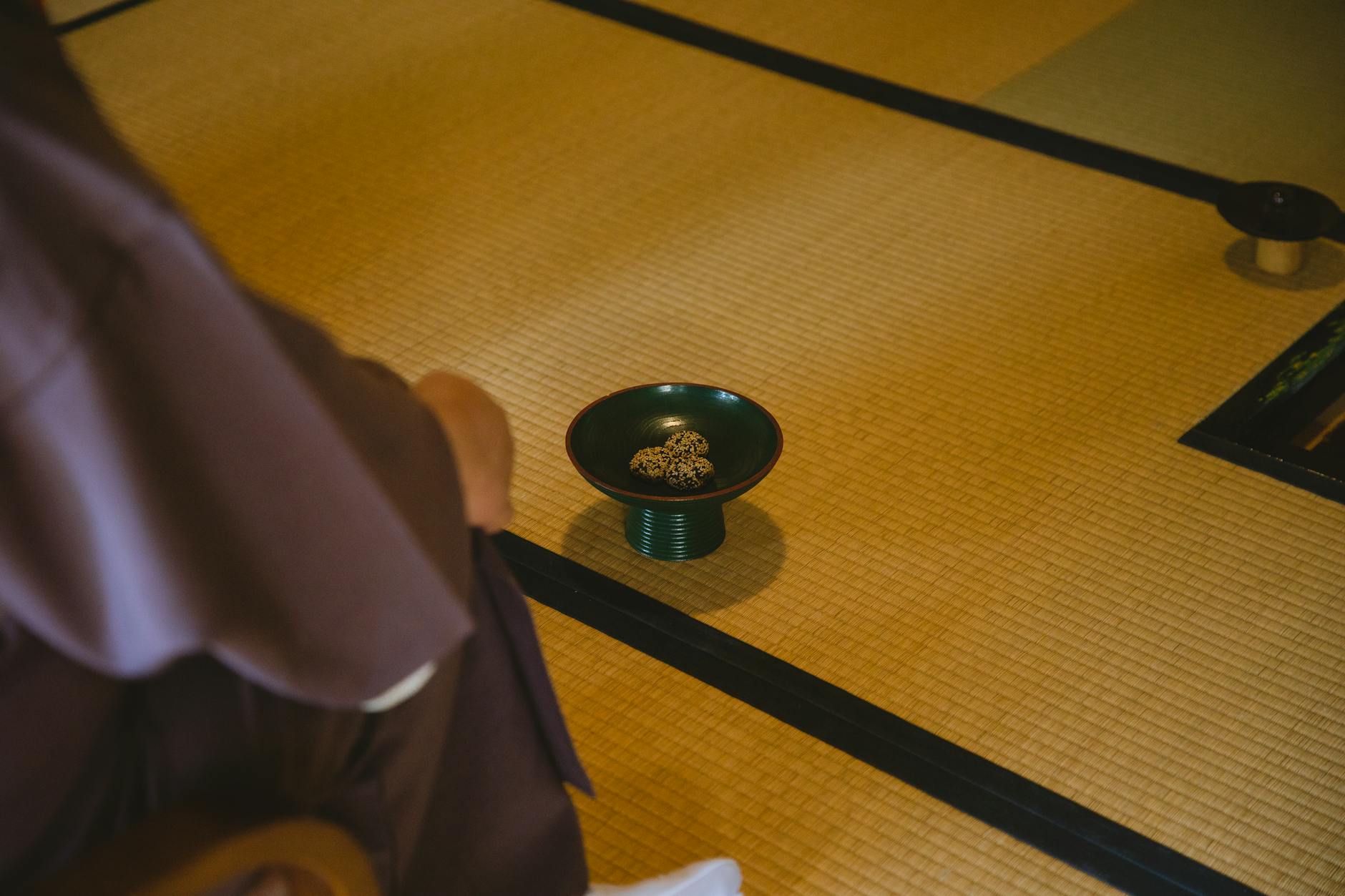
Beyond specific menu ingredients, the psychological atmosphere of the dining room is becoming a central pillar of restaurant strategy. Operators are moving away from minimalist, high-noise environments toward rich, sensory spaces engineered for comfort and lingering social interaction. The physical dining room is increasingly treated as an immersive brand environment where lighting, acoustics, and tactile seating choices directly influence customer retention rates.
This strategic focus on vibes reflects a broader economic reality facing independent restaurant owners today. With home delivery services maintaining a strong market share, brick-and-mortar operators must offer an atmospheric value proposition that cannot be replicated in a living room. Investing in custom acoustic dampening, warm-spectrum lighting controls, and bespoke tableware helps establish a distinct sense of place that justifies higher menu prices and drives repeated site visits.
OPERATIONAL ADAPTATION FOR FUTURE DINING PATTERNS
Integrating these emerging culinary trends requires careful planning on the line to prevent excessive kitchen ticket times. Supply chain volatility means procurement teams must secure reliable distribution channels for specialty imports like grade-a hojicha powders and consistent bulk grains. Inventory management systems are being updated to track raw material shelf life and prevent waste associated with niche functional ingredients.
Staff training programs are also evolving to ensure front-of-house team members can articulate the value of these new culinary concepts. Waitstaff must be equipped to explain the flavor profile of roasted green teas or highlight the elevated gut-health benefits of specialized grain preparations. Clear menu communication minimizes customer hesitation at the point of ordering, translating high-concept culinary trends into steady operational profit margins across morning, midday, and dinner seatings.
For the daily restaurant guest, these industry shifts mean menu options will soon offer far greater functional variety and sensory comfort. You can expect to see high-fiber ancient grains and prebiotic preparations integrated naturally into mainstream entrees rather than relegated to side dishes or health-food categories. Beverage lists will expand to feature sophisticated, low-caffeine choices like hojicha lattes and roasted tea infusions that serve as viable alternatives to standard coffee or sugary sodas.
When dining out in London, you will likely notice physical dining spaces feeling more comfortable, quiet, and welcoming, designed specifically to encourage relaxed conversation. Restaurant operators are investing heavily in warmer lighting, comfortable seating, and better acoustic controls to make the in-person eating experience feel distinctly special and restorative. Pay close attention to functional menu callouts, as operators continue to tailor their culinary offerings around physical well-being and elevated sensory satisfaction.
Sources and methodology
Reported from the public datasets below.
More from the Foodie Pundit Newsroom
- Gen Z Redefines Dining Priorities with Global Spices and Whole Plant Foods
- Restaurant Value Wars Escalate as Major Chains Unveil Aggressive Discount Campaigns
- How Internet Culinary Trends Are Reshaping Restaurant Economics and Retail Supply Chains
- Mapping Grocery Price Disparities Across American Supermarket Aisles
- Menu Dynamics Shift Toward Global Flavors and Portable Formats in 2024 Forecast