Seasonal Produce Returns To Wholesale Supply Chains As Spring Harvests Begin
As warmer weather returns across North America, domestic produce supply chains shift toward fresh regional harvests and direct to consumer farm stands.
By Foodie Pundit Newsroom - Published - Updated - Section: Chain Watch
Key points
- Spring harvests bring an influx of fresh asparagus, greens, and root crops to terminal produce hubs and regional retail markets.
- Local sourcing reduces transport distances and refrigeration costs, offering restaurants longer shelf life and reduced spoilage rates.
- Direct consumer sales provide early working capital for regional farms emerging from winter operating expenses.
- Early season pricing reflects initial crop scarcity before supply volumes normalize in late spring.
SPRING PRODUCE ARRIVES IN NORTH AMERICAN MARKETS
Agricultural supply chains across North America are shifting into spring operations as seasonal regional harvests hit city terminal markets and local direct to consumer venues. According to reporting from NBC News, the transition marks a crucial period for domestic produce vendors, farm stands, and regional grocery buyers seeking fresh inventory. Fresh spring items are moving into central distribution hubs after months of reliance on winter storage crops and international imports.
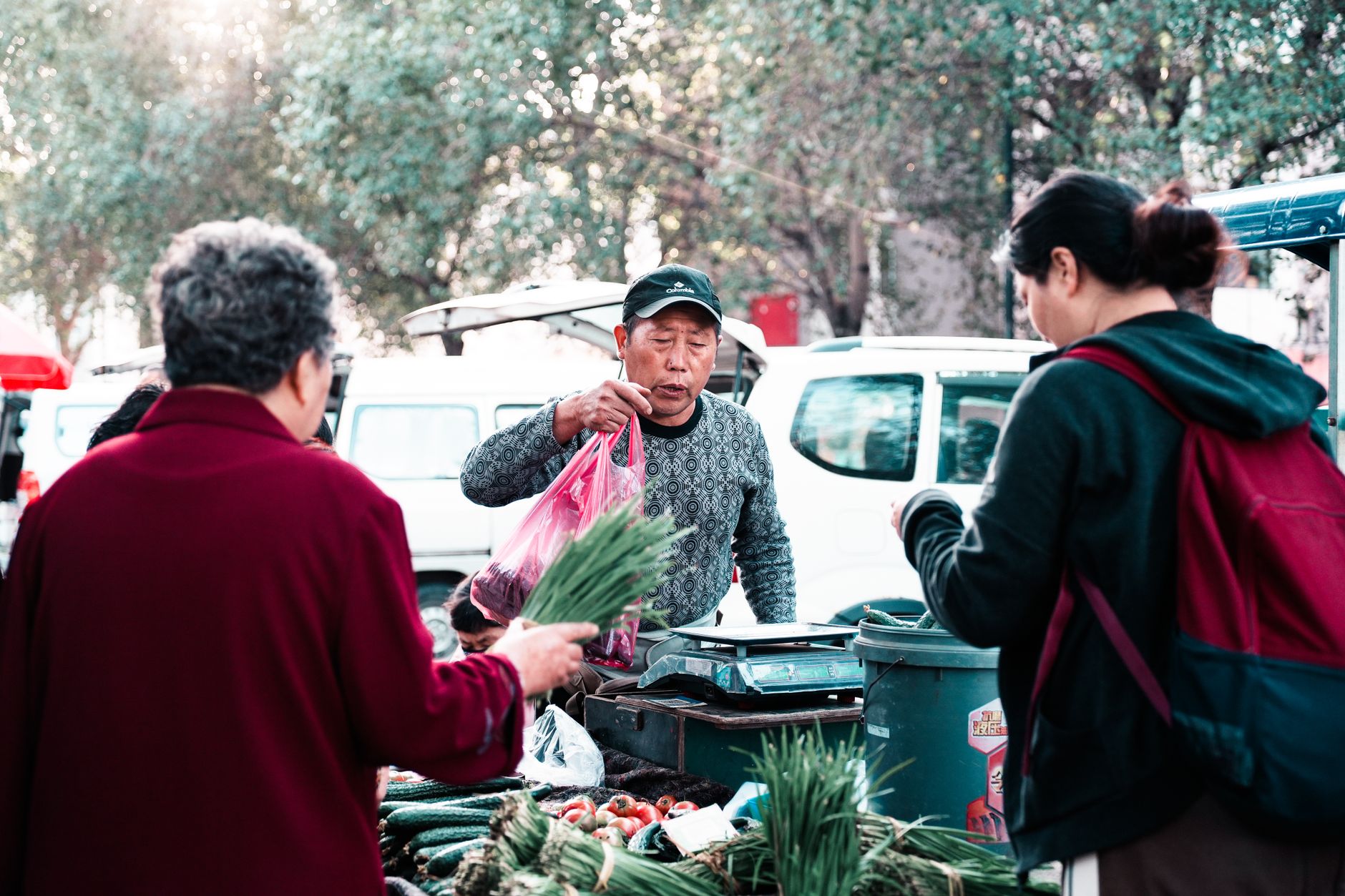
Farmers markets across the country are seeing a dramatic expansion in available inventory as ground temperatures warm and greenhouse crops mature. Items such as asparagus, radishes, ramps, rhubarb, and early spring greens are entering local supply channels. This shift provides an immediate influx of premium ingredients for regional restaurants and specialty food retailers that rely on local sourcing for seasonal menus.
The spring arrival period carries distinct economic implications for small scale agricultural operators who depend on direct sales for early season cash flow. Operating expenses including seed purchases, field labor, fuel, and greenhouse heating accumulate through the late winter months. The return of active market venues allows growers to convert early harvests into vital working capital to fund the summer planting season.
SUPPLY CHAIN ADVANTAGES OF LOCAL SOURCING
For commercial food service operators and retail buyers, early seasonal sourcing offers substantial operational benefits over long distance freight corridors. Regional farm shipments involve shorter transport times, reducing refrigeration energy demands and minimizing product loss through transit damage. Shorter transit windows also translate to extended shelf life at the retail counter and improved quality on restaurant plates.
Procuring fresh local produce allows restaurant operators to reduce ingredient wastage while commanding higher menu margins. Freshly harvested spring greens and root vegetables retain moisture and structural integrity significantly better than goods stored in cold holding for extended periods. Lower spoilage rates directly reduce kitchen food costs, providing a buffer against persistent inflationary pressures in wholesale protein and dairy categories.
In addition to waste reduction, seasonal menu shifts allow operators to capitalize on elevated consumer interest in regional food systems. Diners historically demonstrate a higher willingness to pay for menu items labeled with local farm origins and seasonal indicators. Incorporating fresh local produce into spring specials allows independent operators to differentiate their offerings from large corporate chain competitors.
CONSUMER DEMAND PATTERNS AND MARKET DYNAMICS
Consumer purchasing habits undergo a predictable shift as temperatures rise and farm stands reopen for the season. Demand for heavy winter starches and preserved goods declines in favor of crisp, raw ingredients and vibrant herbs. Grocery retailers align their promotional calendars with these behavioral shifts by reallocating shelf space toward cold case displays and prominent local farm callouts.
Direct to consumer venues like community farmers markets serve as important early indicators for broader grocery trends. Consumer feedback at weekend market stalls often reveals emerging flavor preferences and culinary interest in lesser known vegetable varieties. Retail food buyers regularly monitor these local channels to identify rising produce trends before rolling them out across regional supermarket networks.
Pricing dynamics during the early spring window reflect the initial scarcity of newly harvested crops. Initial shipments of items like wild ramps or field grown asparagus often command premium wholesale prices before regional supply reaches its peak in late spring. As more growers enter the harvest phase, increased volume leads to price stabilization across both wholesale distributors and retail farm displays.
IMPACT OF WEATHER PATTERNS ON SPRING HARVESTS
While spring produce brings welcome financial relief to growers, early season harvests remain highly vulnerable to volatile weather events. Unseasonable late frosts, excessive rain, or unexpected warm spells can drastically alter harvest timelines and crop yields. Greenhouse growers and high tunnel operators manage these risks through controlled environment systems, though fuel costs remain a significant operational variable.
Regional climate variations create distinct harvesting schedules across the United States and Canada. Southern and West Coast agricultural regions begin shipping spring inventory weeks ahead of Midwestern and Northeastern farm districts. This staggered harvest timeline allows national distributors to balance supply needs by shifting sourcing locations as northern fields gradually come online throughout April and May.
Water availability and soil moisture levels early in the year set the baseline for crop quality throughout the remainder of the growing season. Adequate spring precipitation establishes healthy root structures for perennial crops and ensures rapid germination for seeded field vegetables. Agricultural analysts closely track these early growing conditions to forecast yield volumes and market pricing for the upcoming summer months.
The arrival of spring produce presents immediate opportunities for household budgets and local dining strategies. Consumers can maximize nutritional value and flavor by purchasing seasonal vegetables at their peak harvest windows, when local supplies are most abundant. Visiting community farm stalls early in the season supports regional agricultural businesses while providing access to the freshest available ingredients.
For home cooks, shopping seasonally often yields cost savings as regional supplies increase and transport overhead drops. Buying directly from growers or selecting featured local items at regional grocery stores helps bypass expensive long distance cold chain markups. Integrating versatile spring greens, radishes, and root crops into weekly meal planning delivers exceptional culinary quality while bolstering the food economy of your local region.
Sources and methodology
Reported from the public datasets below.
More from the Foodie Pundit Newsroom
- Wholesale Food Price Bump Threatens To Push Retail Grocery Bills Higher
- Croissant Ice Cream Trend Reshapes Bakery Economics and Social Media Menus
- Global Flavor Dynamics Reshaping Restaurant Menus for the Coming Year
- Supermarkets Boost Digital Loyalty Perks to Offset Rising Food Costs
- Federal Farm Bill Overhaul Set to Reshape Restaurant Costs and Supply Chains