Snack Board Economics Drive Major Shifts in Retail and Restaurant Dining
Gen Z consumers and restaurant operators are embracing curated grazing boards as economic pressure and convenience reshape daily dining habits.
By Foodie Pundit Newsroom - Published - Updated - Section: Desserts Snacks
Key points
- Girl dinner has evolved from a viral TikTok trend into a recognized economic shift in how Gen Z approaches evening meals.
- Rising food costs and high restaurant inflation are driving consumers toward low-cost, low-effort grazing options.
- Grocery retailers and restaurant operators are adapting by offering curated small plates, customizable snack packs, and charcuterie options.
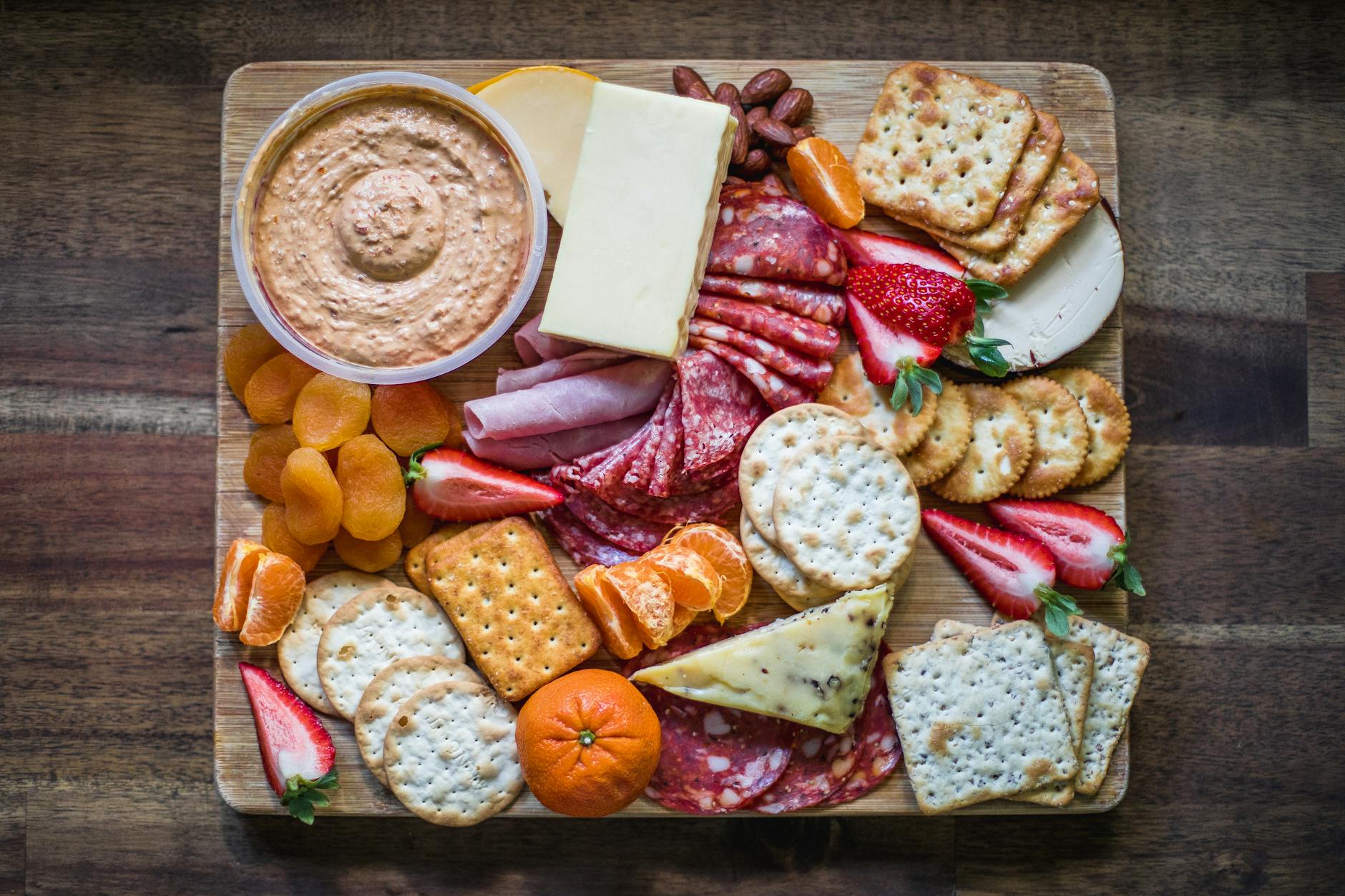
The social media landscape frequently reshapes modern dining habits, but few viral movements have captured the current economic and cultural moment quite like girl dinner. Originally popularized on TikTok, the trend centers on assembling low-effort meals composed of small snacks, leftovers, pantry staples, and artisanal bites spread across a plate or cutting board. According to recent reporting by TODAY.com, the phenomenon has moved far beyond a casual internet joke to become a dominant dining habit for younger consumers. Gen Z and millennial diners are actively eschewing traditional three-course meals in favor of grazing boards that emphasize convenience, customization, and visually appealing presentation.
While the aesthetic presentation often garners the most attention online, industry analysts view the rise of girl dinner as a direct response to broader economic pressures. High grocery prices and restaurant inflation have altered consumer spending habits significantly over the past two years. Constructing a meal out of existing refrigerator inventory or simple retail items allows individuals to reduce food waste and stretch their weekly budgets. The trend reflects a pragmatic pivot toward cost-effective home dining that does not require extensive cooking skills or expensive specialty ingredients.
The shift toward snack-based dining is rapidly changing product demand within grocery aisles and specialty food markets. Retailers are noticing increased sales in high-margin grab-and-go categories, including pre-sliced cheeses, charcuterie meats, pickled vegetables, dips, and artisanal crackers. Single-serve pack sizes and customizable deli offerings have become central to supermarket merchandising strategies aimed at single-person households. Food manufacturers are adapting by launching products tailored specifically for high-protein grazing and minimal preparation.
This change in consumer behavior is also reshaping how brands market daily staples to younger demographics. Companies are repositioning basic pantry items as key components of premium, curated snack plates. Rather than marketing products around elaborate home-cooked recipes, brands are highlighting convenience, variety, and visual texture. By framing simple assembly as a deliberate culinary choice, food marketers are successfully aligning with the lifestyle preferences of busy, budget-conscious consumers who still desire high-quality dining experiences at home.
The hospitality sector is closely monitoring this fundamental change in how people eat dinner. Full-service restaurants face persistent challenges from rising input costs and changing guest expectations, leading many operators to rethink their menu structures. To capture consumers drawn to the girl dinner concept, casual and fine-dining establishments are expanding their small plates, appetizer, and bar menus. Highlighting shared plates and customizable grazing boards allows restaurants to maintain profitability while offering lower price points that appeal to cost-conscious diners.
Beverage-centric venues and wine bars are particularly well-positioned to capitalize on this shift in consumer demand. By pairing curated snack boards with signature cocktails or natural wines, operators can drive higher profit margins without significantly increasing kitchen labor costs. Preparing cold cuts, artisan cheeses, and house-made spreads requires minimal cook time and reduced back-of-house staffing compared to traditional hot entrees. This operational efficiency helps venue operators protect their bottom line during period of high wage inflation and rising utility costs.
Beyond economics, the girl dinner movement highlights a growing desire to alleviate the mental load associated with traditional meal planning and preparation. For many young professionals balancing hybrid work schedules, the daily task of deciding what to cook, shopping for complex recipes, and cleaning up can feel overwhelming. Assembling a personalized board eliminates mealtime friction while offering total control over portion sizes and flavor combinations. It validates the simple act of eating whatever happens to be on hand without feeling pressure to conform to conventional nutritional structures.
The digital amplification of this trend has created a vibrant community around low-effort cooking. Sharing visually appealing plates online allows consumers to celebrate resourcefulness and everyday creativity. The trend reframes what might previously have been viewed as a sad or lazy meal into a deliberate act of self-care. As social media continues to democratize food trends, the line between casual home snacking and formal dining will likely continue to blur.
For the average consumer, the permanence of the girl dinner trend offers full permission to embrace simplicity in the kitchen without sacrificing quality or fun. You do not need to invest hours in meal prep or purchase costly ingredients to enjoy a satisfying, customized dinner at home. Leveraging simple pantry staples, cheeses, fruits, and pre-made dips can significantly lower your weekly food expenditure while reducing household food waste. It provides a practical, low-stress alternative to ordering expensive delivery on busy weeknights.
When dining out, you can expect to see restaurants offering more flexible, board-style menu options and expanded small-plate sections. This menu evolution allows you to control your spending at restaurants by mixing and matching lower-priced items rather than committing to expensive individual entrees. Whether assembling a board from your own refrigerator or sharing appetizers with friends at a neighborhood bistro, the trend empowers consumers to prioritize personal taste, budget, and convenience over rigid dining traditions.
Sources and methodology
Reported from the public datasets below.
More from the Foodie Pundit Newsroom
- How Changing Consumer Demands Are Reshaping Restaurant Economics
- Burger King Revives 2 for $5 Value Deal Amid Heightened Fast Food Price Competition
- Chipotle Mexican Grill Expands its Footprint Across Florida
- New ‘Rumbeadero’ Lounge Borondo Opens on Lincoln Road
- Five New Restaurants Planned for Port St. Lucie’s Port District