Spring Produce Season Arrives Bringing Fresh Harvests and Supply Chain Shifts
As fresh spring crops reach peak harvest, direct supply chains offer cost efficiency and superior quality for consumers and food service operators alike.
By Foodie Pundit Newsroom - Published - Updated - Section: Chain Watch
Key points
- Spring harvest cycles bring tender greens, radishes, and asparagus to local and regional distribution networks.
- Shortened supply chains reduce freight costs and spoilage rates while delivering higher nutrient density.
- Commercial buyers and consumers can lower food spending by adapting purchasing to regional crop availability.
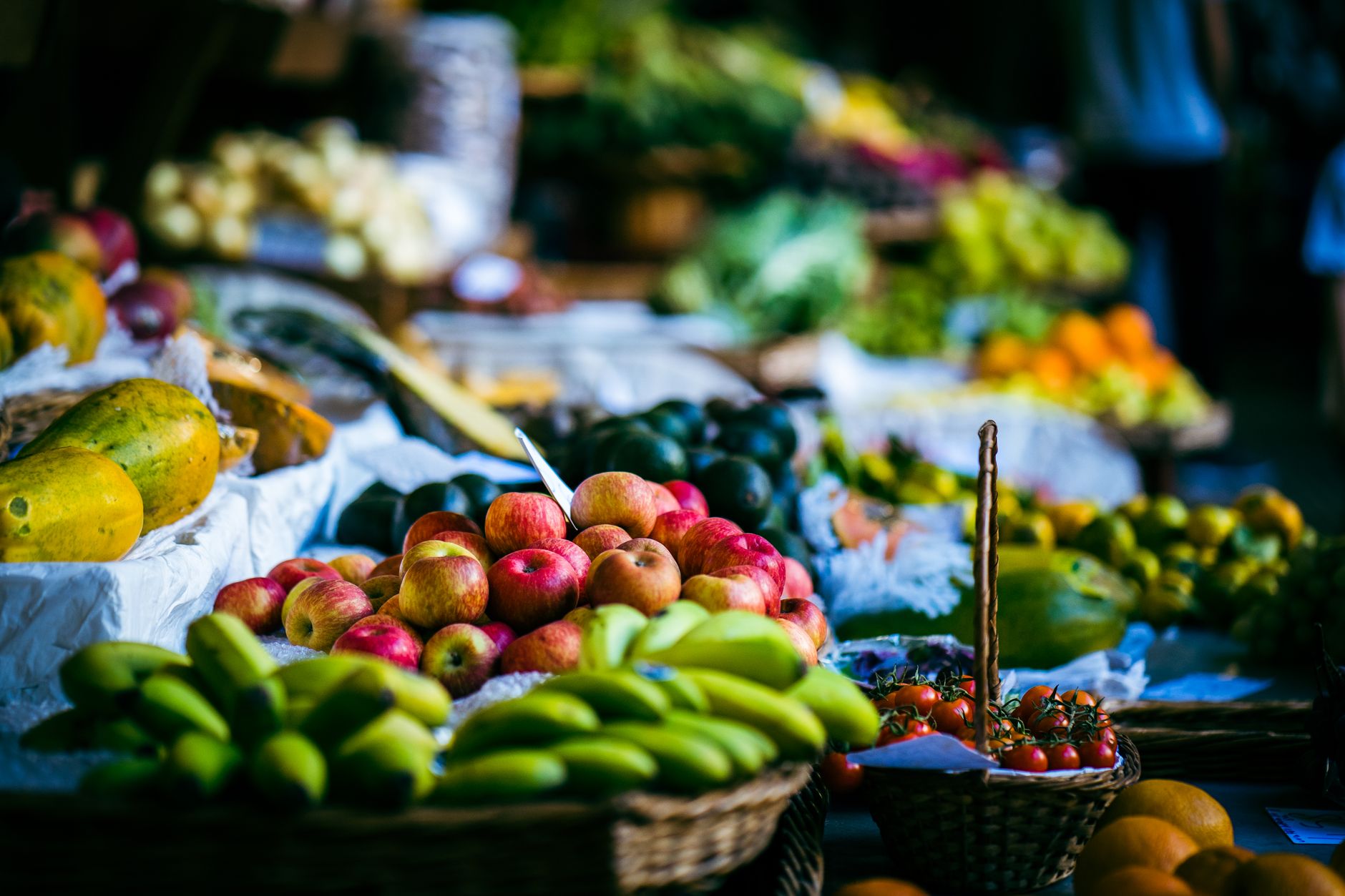
The arrival of spring marks a critical transitional phase for the agricultural supply chain and domestic food markets. As temperatures rise across major growing regions, agricultural producers are shifting operations from cold-storage inventory to fresh field crops. This annual shift brings a surge of seasonal produce to regional distribution hubs, independent grocery retailers, and direct-to-consumer farmers markets across the country.
Industry analysts monitor these early harvest cycles closely, as they provide vital indicators regarding input costs, regional weather impact, and consumer retail spending trends. According to reporting by NBC News, the return of spring produce offers consumers an immediate opportunity to diversify their diets with peak-flavor, locally sourced items. For restaurant operators and institutional food providers, the seasonal influx signals shifting procurement costs and changing diner expectations.
The early spring harvest represents a distinct operational window in temperate agriculture. Hardy greens like arugula, spinach, kale, and dandelion greens are among the first crops to reach commercial maturity. Root vegetables planted late in the prior season, alongside early tender crops such as radishes, asparagus, peas, and green garlic, quickly follow into regional distribution channels.
Unlike high-summer crops that require prolonged heat, spring produce relies on moderate temperatures and ample ground moisture. These growing conditions yield crops with high sugar concentration and low bitterness. However, the short shelf life of tender spring greens presents unique logistical challenges for logistics networks. Suppliers must optimize cold chain transport to ensure these delicate perishables reach retail shelves and market stalls without premature degradation.
SUPPLY CHAIN ADVANTAGES OF LOCAL PROCUREMENT
For commercial kitchens and residential consumers alike, sourcing produce during peak harvest provides measurable economic and culinary advantages. Regional supply chains reduce the distance between field and fork, cutting transit time from weeks to hours. Shorter transit minimizes fuel consumption and lowers spoilage rates, offering a hedge against broader freight cost volatility.
Local sourcing also allows growers to harvest crops at true physiological maturity rather than picking prematurely for long-distance transport. This results in superior nutrient density and flavor profile, which drives consumer willingness to pay. By bypassing complex national distribution networks, direct market channels keep a larger percentage of food dollars within local rural economies, strengthening regional agricultural infrastructure.
The return of fresh spring produce traditionally drives elevated foot traffic across both traditional grocery stores and farm stands. Retail buyers use seasonal produce displays as a primary merchandising strategy to signal freshness throughout the perimeter of the store. Strong performance in fresh produce departments typically correlates with higher average basket sizes across middle-aisle grocery categories.
Consumer behavior studies indicate a growing preference for hyper-local purchasing during seasonal shifts. Shoppers increasingly view farmers markets not merely as retail outlets, but as value-added culinary experiences. This trend has prompted traditional supermarket chains to expand their regional grower partnerships to compete with direct-to-consumer sales channels.
For food service professionals, integrating spring produce requires dynamic inventory management and flexible menu design. Because early spring weather can be unpredictable, supply volumes for tender crops often fluctuate week to week. Restaurant operators who utilize adaptable specials rather than rigid static menus can capitalize on temporary product gluts when market prices drop.
Incorporate high-yield, low-waste spring items like radishes and spring onions into daily production to maximize profit margins. Utilizing wholesale processing techniques, such as quick-pickling or crafting herb-rich purees, enables kitchens to extend the usable shelf life of delicate spring inventory. This approach reduces overall food waste costs while maintaining high quality standards.
While the spring harvest brings abundant opportunities, early season production remains vulnerable to unseasonal late freezes and excessive rainfall. Weather disruptions can abruptly curtail harvests, causing localized price spikes in key commodities like asparagus and berry crops. Procurement specialists must maintain diversified vendor relationships to mitigate potential local supply shortfalls.
Furthermore, labor availability during the initial harvest surge remains a major operational consideration for farm managers. As harvesting of delicate manual-pick crops ramps up, growers face rising wage pressures and labor recruitment challenges. These macro-economic pressures directly influence wholesale pricing levels seen by commercial buyers in early Q2.
For retail consumers, navigating the spring produce shift means adjusting buying habits to align with local growing schedules. Purchasing crops at their regional peak yields superior culinary quality at the lowest price point of the season. To maximize household food budgets, plan meals around high-volume seasonal gluts and store delicate greens properly using controlled humidity.
For food industry professionals and restaurant operators, early spring demands agile procurement strategies and clear customer communication. Highlighting seasonal, locally sourced ingredients on menus justifies premium pricing and aligns with diner expectations for quality. Establishing direct relationships with regional farm networks now lays the groundwork for stable supply chains throughout the upcoming summer peak.
Sources and methodology
Reported from the public datasets below.
More from the Foodie Pundit Newsroom
- How Viral Croissant Hybrids and Edible Dough Are Transforming Dessert Operations
- Lamp + Shade opening Signals Continued Culinary Expansion in Orlando
- El Jardín Debuts in Southwest Florida With Latin and Japanese-Inspired Cuisine
- UK Grocery Inflation Cools as Supermarket Price Wars Offer Relief for Shoppers
- Wholesale Food Price Surge Signals Looming Pressure at Supermarket Registers