The Business and Biology Behind the Girl Dinner Trend
The social media phenomenon highlights shifting consumer dining habits, kitchen economics, and ongoing debates over dietary health.
By Foodie Pundit Newsroom - Published - Updated - Section: Health Nutrition
Key points
- The viral movement reflects a growing consumer preference for low-effort, grazing-style meals over traditional formal dinners.
- Health professionals warn that while snack plates offer convenience, they must maintain proper protein and nutrient balances to avoid under-eating.
- Restaurants and food manufacturers are successfully commercializing the trend through high-margin small plates and single-serve retail products.
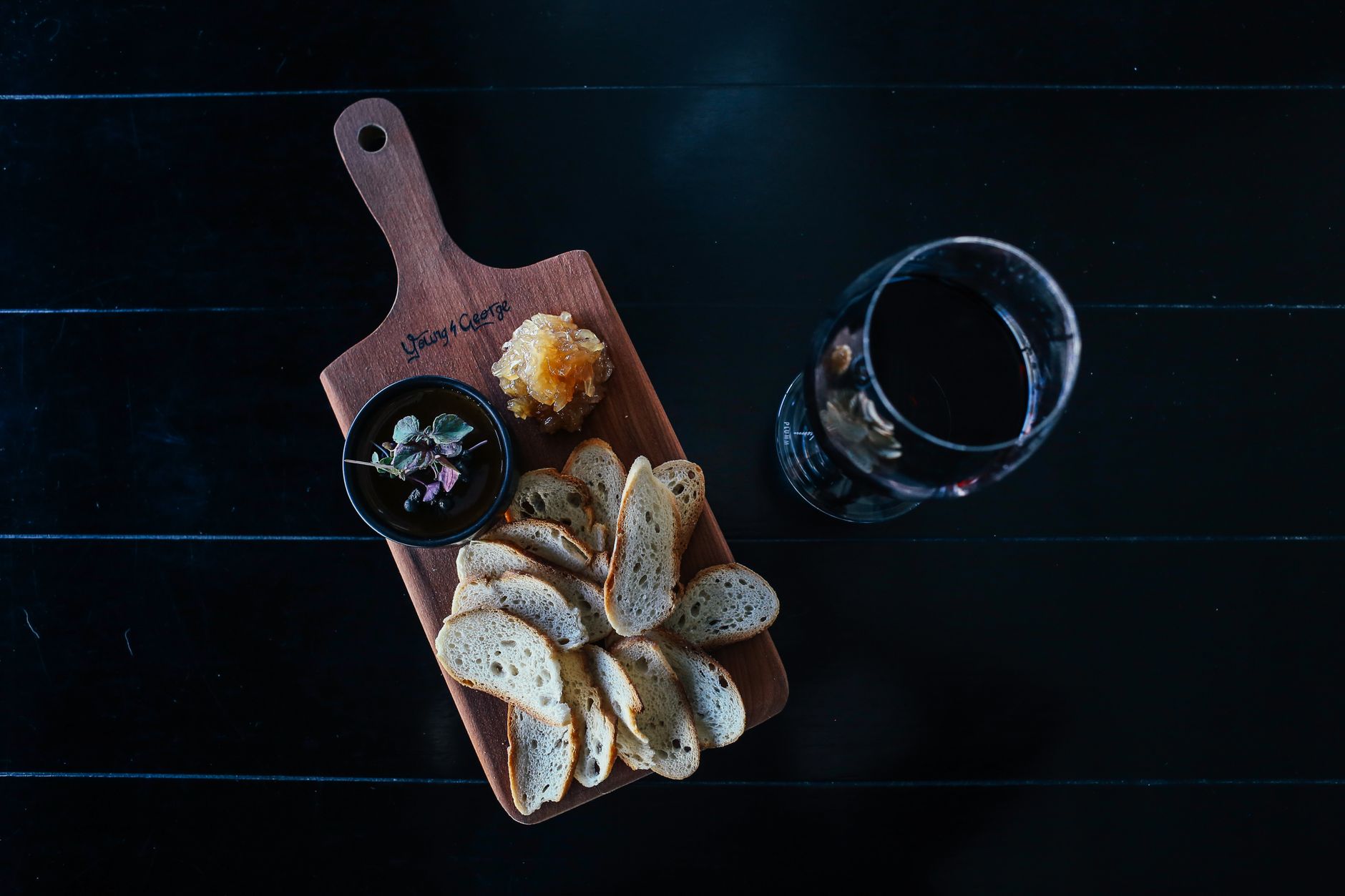
The viral social media phenomenon known as girl dinner has evolved from a casual viral video into a significant cultural touchstone for the food and beverage industry. Originating as a lighthearted showcase of no-prep snack plates, the trend typically features a disparate assortment of odds and ends gathered from the refrigerator. Typical components include block cheese, stray olives, cured meats, raw vegetables, crackers, and single servings of fruit, often served alongside a glass of wine or a canned beverage. While consumers originally embraced the concept as an honest celebration of low-effort eating, the movement has increasingly sparked intense debates among nutritionists, sociologists, and restaurant operators.
Reporting from NBC News highlights how the digital trend quickly expanded beyond harmless snacking into a broader conversation regarding modern eating habits and consumer fatigue. On social media platforms, millions of users shared their own variations, ranging from sophisticated charcuterie-style arrangements to meager plates consisting of little more than popcorn and ice. This wide variance in portion size and nutritional value quickly caught the attention of health professionals, who raised concerns about the normalization of under-eating under the guise of an aesthetic internet trend.
NUTRITIONAL DISCOURSE AND CONSUMER ATTITUDES
Dietitians and clinical nutritionists have voiced mixed opinions regarding the widespread adoption of these improvised meals. On one hand, advocates note that grazing plates can offer a stress-free way to consume a variety of whole foods without the pressure of traditional cooking. The emphasis on convenience and personal preference allows individuals to listen to their hunger cues without feeling obligated to prepare a full, multi-course dinner. For busy professionals or individuals living alone, assembling small portions of dense, nutrient-rich foods can represent a practical solution to nightly meal fatigue.
Conversely, health experts interviewed in coverage by NBC News warned against relying on low-calorie or unbalanced plates as primary meal replacements. When a dinner consists primarily of processed snacks or lacks adequate protein, complex carbohydrates, and essential fats, it can lead to energy dips and long-term nutritional deficits. Moreover, mental health advocates have cautioned that glorifying minimal food intake can inadvertently promote disordered eating behaviors, particularly among younger audiences exposed to curated social media feeds. The discourse reflects a growing tension between practical convenience and balanced nutrition in contemporary food culture.
While the digital debate continues, the restaurant and packaged goods sectors have moved swiftly to commercialize the trend. Casual dining chains, independent bars, and wine shops have recognized an opportunity to package small-plates menus specifically tailored to single diners and social grazers. By rebranding existing appetizer selections as snack boards or grazing platters, operators have successfully driven high-margin sales without increasing kitchen complexity. This strategy appeals directly to consumers who seek the social experience of dining out without committing to heavy, expensive entrees.
The economic implications for hospitality operators are notable, particularly during off-peak hours and late-night services. Snack-centric menus require minimal back-of-house preparation, reducing labor costs while maximizing ingredient cross-utilization across different dish offerings. Premium specialty items such as artisanal cheeses, imported preserves, and tinned fish carry high perceived value, allowing operators to maintain strong profit margins. As input costs and labor expenses remain elevated across the country, serving elevated small plates offers a lucrative buffer for struggling kitchens.
The packaged food sector has similarly capitalized on the shift toward informal, assemble-it-yourself dining. Grocery retailers and specialty brands report increased demand for single-serve charcuterie packs, specialty crackers, tinned seafood, and pre-portioned dips. Consumer packaged goods manufacturers are increasingly designing product lines that target the grazing market, emphasizing premium ingredients and convenience packaging. This shift aligns with broader macroeconomic shifts, as inflation-weary shoppers seek affordable indulgences at home rather than spending heavily on full-service restaurant meals.
Data from market research firms indicates that snacking now accounts for a substantial percentage of total daily caloric intake among younger demographics. The traditional three-meal-a-day structure is increasingly giving way to continuous, fragmented consumption throughout the day. By validating the practice of combining disparate pantry staples into a satisfying meal, the online movement has accelerated a multi-year shift toward flexible, low-maintenance eating patterns that prioritize speed and personal preference over formal culinary traditions.
For the everyday consumer, the debate surrounding informal dining highlights the importance of balancing convenience with adequate nourishment. Grazing plates offer an efficient, cost-effective way to clear out the refrigerator and reduce food waste, provided they contain a healthy mix of proteins, fats, and fiber. Paying attention to overall caloric intake and nutrient density ensures that low-effort meals still support daily health needs without falling into the trap of severe under-eating.
For hospitality workers, business owners, and food industry professionals, the trend underscores a permanent shift in consumer dining expectations. Menu planning must account for diners who prefer flexibility, smaller portions, and shareable components over traditional three-course meals. Operators who offer customizable, high-quality grazing options stand to benefit from changing consumer demographics, higher profit margins, and lower operational complexity in the kitchen. Moving forward, the boundary between casual snacking and full meals will likely continue to blur across both retail and food service channels.
Sources and methodology
Reported from the public datasets below.
More from the Foodie Pundit Newsroom
- The Hidden Biological Toll Of Ultra-Processed Foods In Modern Diets
- Grocery Giant Showdown Threatens To Redefine Supermarket Competition And Consumer Prices
- Social Media Driven Hot Dog Trend Drives Produce Innovation Across Fast Casual Dining
- FDA Finalizes Sweeping Food Traceability Rule to Fast-Track Outbreak Tracking
- San Francisco Restaurant Closures Highlight Broader Commercial Real Estate and Labor Pressures