The Commercial Rise of Grazing Culture Reshapes Grocery Aisles and Restaurant Menus
Younger consumers are swapping cooked suppers for curated snack boards, driving a major shift in retail food sales and restaurant menu design.
By Foodie Pundit Newsroom - Published - Updated - Section: Desserts Snacks
Key points
- Gen Z consumers are driving a shift away from traditional cooked dinners toward low-effort snack plates and charcuterie boards.
- Food manufacturers and grocers are redesigning product displays and marketing premium snack items specifically for evening consumption.
- Restaurants are adapting by expanding small-plate menus, happy hour grazing options, and customizable tasting boards to attract younger diners.
The social media landscape frequently gives rise to viral food crazes, but few have captured the cultural and commercial zeitgeist quite like the girl dinner trend. Originating as a casual series of short videos on TikTok, the phenomenon showcases individuals assembling low-effort, highly aesthetic meal plates comprised primarily of disparate snacks, pantry staples, and small bites. Recent coverage by TODAY.com highlights how young consumers, particularly within Generation Z, are eagerly ditching traditional cooked suppers in favor of these visually charming, no-cook assortments. What began as an amusing celebration of convenience has rapidly evolved into a significant consumer behavior pattern with wide-reaching implications for food manufacturers, grocery stores, and restaurant operators alike.
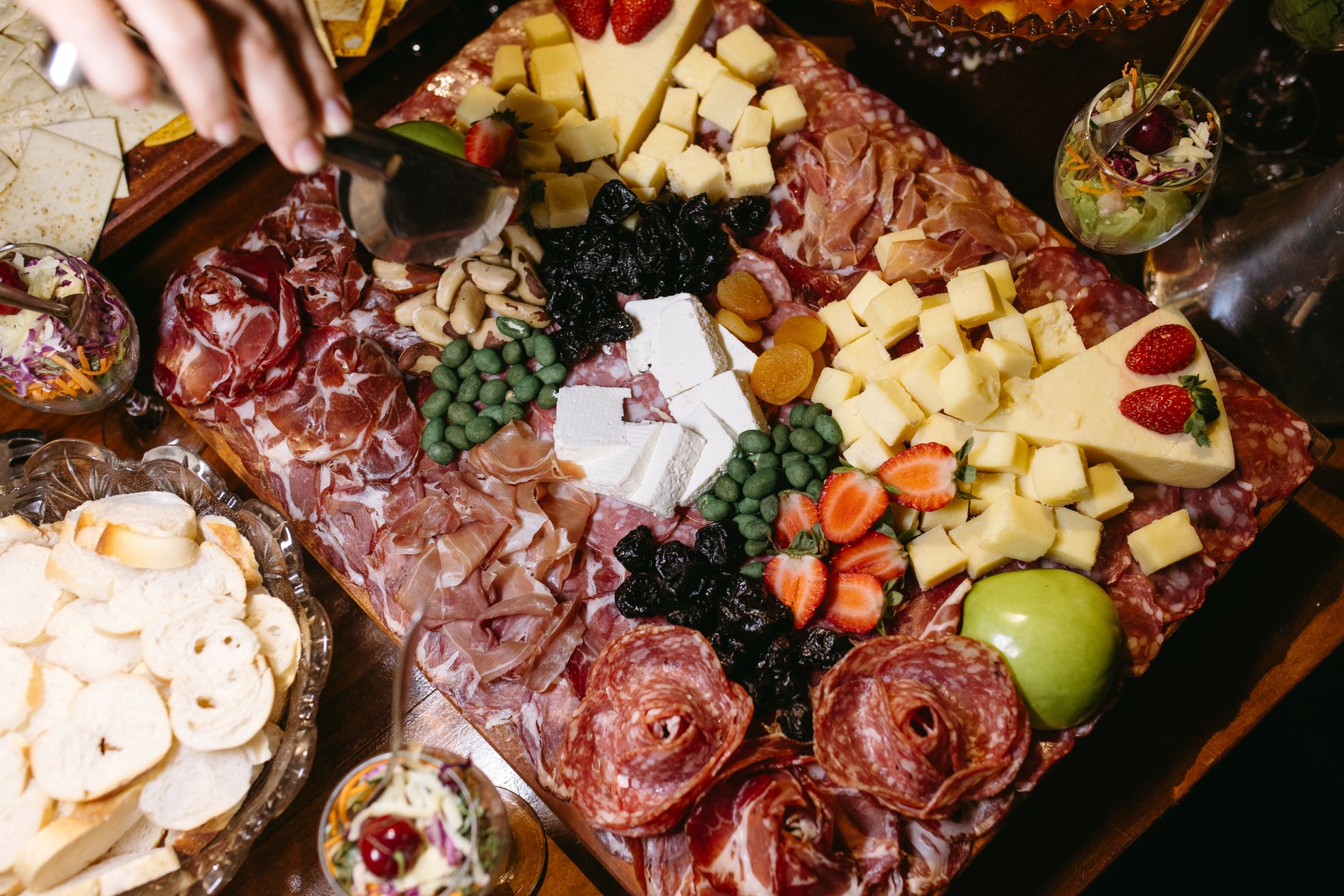
At its core, a typical girl dinner eschews the classical structure of a main entree accompanied by structured side dishes. Instead, practitioners assemble a personal charcuterie board or grazing plate featuring items like cured meats, cheeses, olives, fresh berries, pickled vegetables, crackers, and canned seafood. The appeal lies in the complete absence of actual cooking, minimal cleanup requirements, and the sheer freedom to combine salty, sweet, and savory elements based purely on mood. Industry analysts note that this approach reflects a broader cultural shift toward hyper-individualized eating habits, where rigid mealtime definitions are increasingly viewed as obsolete by younger demographics.
The meteoric rise of this grazing mentality is deeply rooted in contemporary economic and lifestyle pressures. For many young professionals and students, the emotional and mental energy required to plan, shop for, and execute a multi-course dinner after a long workday feels overwhelmingly burdensome. The option to assemble a colorful assortment of pre-packaged or raw ingredients offers a therapeutic, low-stakes compromise between spending money on takeout and laboring over a hot stove. It validates the idea that an informal, haphazard collection of favorite foods can constitute a complete, satisfying meal without any accompanying guilt or domestic expectation.
Furthermore, the visually captivating nature of these plates makes them uniquely suited for digital sharing. Social platforms reward visually appealing content, and a well-arranged plate featuring vibrant produce, textured crackers, and artisanal dips provides instant aesthetic gratification. TODAY.com reported that millions of users have engaged with video content demonstrating these creative arrangements, turning mundane weeknight dining into a form of personal expression. This viral feedback loop reinforces the behavior, transforming an isolated habit of convenience into a shared cultural movement that celebrates self-care and simplicity.
For food manufacturers and retail grocers, the normalization of snack-based dinners represents a lucrative market opportunity that extends far beyond traditional lunchboxes. Packaged food companies are increasingly pivoting their marketing strategies to target adult consumers who seek premium, convenient snacking options designed for evening consumption. Products such as single-serve cheeses, specialty dips, high-end canned fish, and gourmet crackers are experiencing renewed demand as shoppers intentionally buy ingredients specifically curated for assembling grazing plates at home.
Supermarkets are beginning to adapt their store layouts and promotional materials to directly cater to this emerging preference. Merchandising strategies now frequently group complementary snack items together, such as positioning artisanal jams alongside specialty cheeses and charcuterie meats in prominent front-of-store displays. By highlighting high-margin specialty snacks as viable dinner components, grocers can capture higher basket totals from time-strapped consumers who might otherwise bypass center-store aisles or opt for food delivery apps.
The dining out sector is similarly taking notice as consumer preferences shift toward flexible, shareable, and low-pressure dining experiences. Full-service restaurants are feeling the pressure to offer menu items that mirror the variety and customizable nature of social media food trends. Establishments that feature extensive small-plates programs, customizable tapas, and curated charcuterie offerings are particularly well-positioned to attract younger patrons who prefer sampling multiple flavors over committing to a single heavy entree.
Some fast-casual chains and independent bistros have even introduced explicit menu items or promotional deals designed around the concept of assembled snack boards. Restaurant operators recognize that catering to light, varied dining habits allows them to capture happy hour traffic and late-night diners who want social, interactive food without the high cost of traditional three-course meals. As inflation continues to influence consumer spending habits, offering cost-effective, snack-centric menu items provides operators with a way to maintain traffic while managing food costs effectively.
For the average consumer, the popularization of snack-style dining brings validation to quick, flexible, and stress-free eating habits. You do not need to spend an hour cooking or purchase expensive takeout to enjoy a satisfying evening meal that feels indulgent and customized to your taste. Embracing simple grazing plates can save valuable time, reduce food waste by utilizing leftover pantry items, and significantly lower your weekly grocery expenditure when planned intentionally.
From a dining perspective, you can expect to see more restaurants and food retailers offering customizable, small-bite options that make flexible eating easier and more accessible. As food brands continue to expand their premium snack lines, shoppers will enjoy a wider array of convenient, high-quality ingredients tailored for effortless assembly. Ultimately, this shift empowers individuals to reshape traditional mealtime norms around their own busy schedules, culinary preferences, and personal lifestyles.
Sources and methodology
Reported from the public datasets below.
More from the Foodie Pundit Newsroom
- Fast Food Chains Prepare Aggressive Value Strategy Pivot for Upcoming Season
- Visual Aesthetics and Complex Flavors Drive Strategy Across Commercial Pastry Sector
- Fast Food Chains Re-Engineered Menu Strategies Around Core Value Platforms
- How the Rise of Assembled Snack Dinners Is Redefining Hospitality and Retail Economics
- Asian Street Food Formats Drive High Margins and Operational Efficiency Across Modern Dining Concepts