The Cottage Cheese Dessert Trend Faces a Reality Check
Viral high-protein food trends promise decadent treats without the calories, but culinary testing reveals the limits of social media dairy hacks.
By Foodie Pundit Newsroom - Published - Updated - Section: Desserts Snacks
Key points
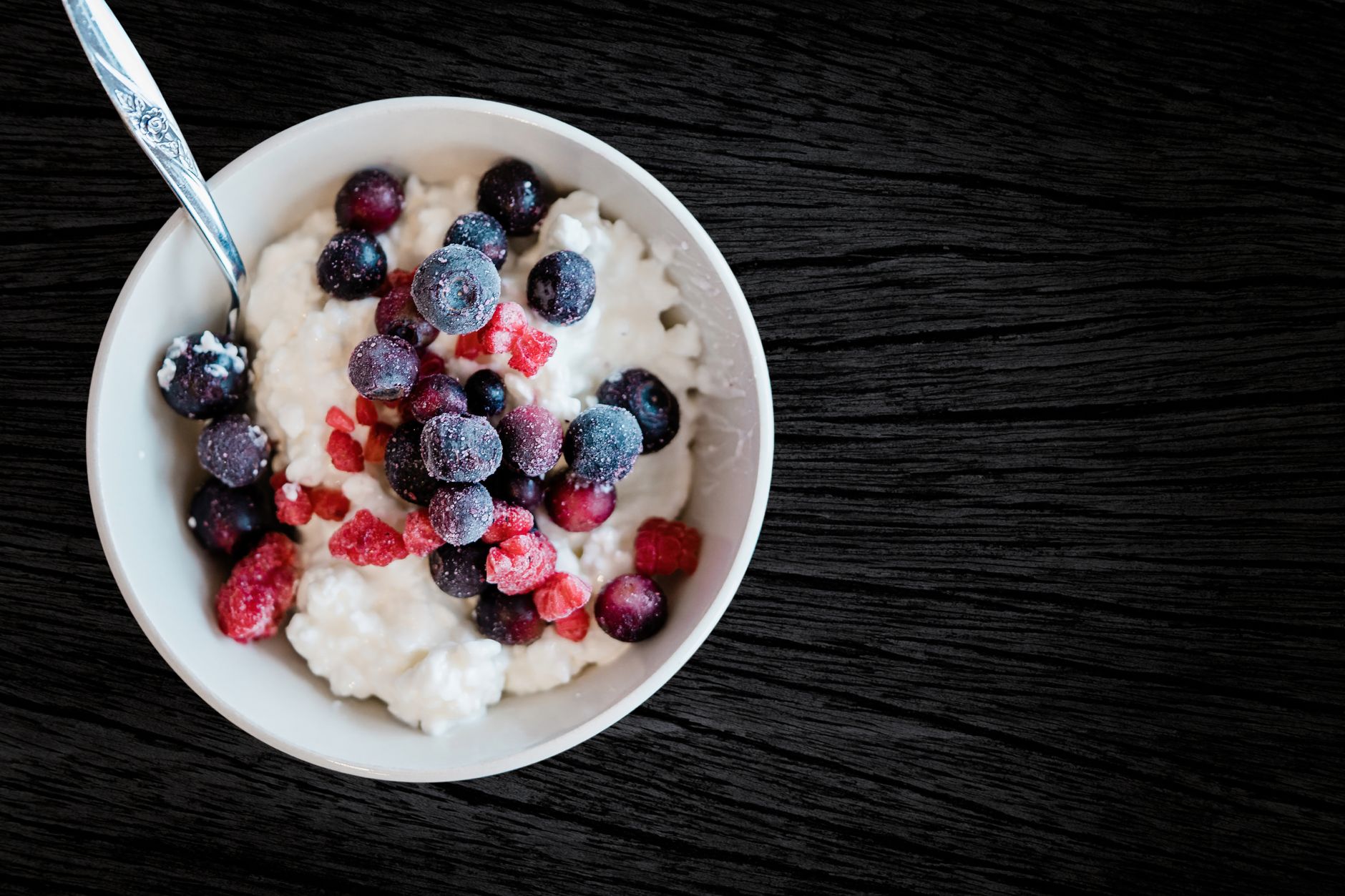
- Cottage cheese sales have surged due to viral social media trends positioning blended curds as a high-protein dessert base.
- Blending alters the physical texture of cottage cheese but fails to mask its natural saltiness and cultured flavor profile.
- Low fat and high water content cause frozen cottage cheese desserts to become icy rather than maintaining a traditional creaminess.
- Food industry experts suggest enjoying real desserts in moderation rather than relying on structural culinary workarounds.
Social media platforms have spent the past eighteen months transforming humble grocery staples into improbable culinary sensations. Among these internet phenomena, few dairy products have enjoyed a more dramatic marketing rehabilitation than cottage cheese. Once relegated to retro diet plates and forgotten back shelves of the refrigerator, the curds have suddenly emerged as the high-protein base for everything from savory pasta sauces to elaborate desserts.
The latest iteration of this trend promises to turn cottage cheese into luxurious, guilt-free versions of traditional treats like cheesecake, edible cookie dough, and soft-serve ice cream. Viral videos showcase home cooks blending curds with maple syrup, vanilla, and frozen fruit, yielding glossy mixtures that appear indistinguishable from full-fat dairy desserts. However, recent evaluation by culinary journalists suggests that the internet may have collectively overstated the appeal of these high-protein hacks.
To understand why the cottage cheese trend took over digital feeds, one must look at the broader shift in consumer nutrition preferences. Modern shoppers are increasingly focused on macro-nutrients, particularly protein intake, while simultaneously attempting to reduce added sugars and saturated fats. Cottage cheese offers an exceptional nutritional profile, delivering roughly twenty-five grams of protein per cup alongside a relatively low caloric density.
When whipped in a high-speed blender, the pronounced curds break down entirely, creating a smooth emulsion that mimics heavy cream or cream cheese. This physical transformation is visually striking on camera, providing creator feeds with satisfying, velvety textures that lend themselves perfectly to short-form video formats. According to reporting from SFGate, the visual appeal of these blended concoctions often outpaces their actual performance on the palate.
While a blender can alter the physical structure of cottage cheese, it cannot fully eliminate its intrinsic flavor profile. Cottage cheese is inherently cultured and salted, giving it a subtle tanginess and an underlying savory note that does not always align with classic dessert profiles. When paired with sweet ingredients, this sodium content can create a cloying contrast rather than a balanced flavor.
Furthermore, the freezing process poses significant structural challenges for low-fat dairy emulsions. Traditional ice cream relies on a precise balance of butterfat and sugar to prevent large ice crystals from forming during freezing. Cottage cheese contains significantly higher moisture levels and lower fat content, meaning that frozen creations often turn icy, hard, and chalky once stored in a standard home freezer rather than maintaining a creamy scoopable consistency.
The viral interest in cottage cheese has sent ripples well beyond home kitchens, directly impacting retail sales and dairy industry supply chains. Major dairy producers have reported sustained demand spikes over the past year, prompting brands to expand their product lines to include single-serve blended varieties and flavored options aimed at convenience-seeking consumers.
Commercial food service operators are watching the trend closely, though few mainstream restaurant chains have formally adopted cottage cheese as a dessert substitute. Restaurant kitchens operate under strict quality and consistency standards, making them hesitant to feature menu items that rely on textural compromises or unstable frozen emulsions. Instead, operators prefer using standardized ingredients like Greek yogurt or labneh when crafting lightened-up dessert offerings.
THE VISUAL ILLUSION OF DIGITAL FOOD TRENDS
The discrepancy between online hype and real-world results highlights a growing tension in modern food media. Algorithms on major social networks prioritize visual aesthetics, novelty, and bold health claims over culinary precision. A video showcasing a ten-minute, high-protein chocolate mousse can gather millions of views based on its presentation, regardless of whether the final dish delivers a pleasant dining experience.
As detailed by SFGate, the proliferation of digital food hacks has led to a cycle of viral enthusiasm followed by consumer disappointment. Home cooks buy specialized appliances and specialty ingredients to replicate viral recipes, only to discover that traditional baking techniques and full-fat ingredients exist for structural and chemical reasons that cannot be easily bypassed by a high-powered blender.
For everyday consumers and home cooks, the lesson behind the cottage cheese dessert craze is one of managed expectations. Blended cottage cheese remains a versatile, highly nutritious ingredient that can perform admirably in savory applications, dips, and baked goods where its natural saltiness complements the dish. It can also serve as an acceptable protein boost in daily smoothies where other bold flavors mask its cultured notes.
However, expecting processed curds to completely replace heavy cream, real cream cheese, or traditional ice cream in classic desserts will likely lead to disappointment. Diners seeking authentic dessert experiences are generally better served by enjoying smaller portions of traditional treats made with real butter, sugar, and cream. When evaluating viral culinary hacks in the future, remember that video lighting and aggressive editing can make almost any liquid look like soft-serve ice cream.
Sources and methodology
Reported from the public datasets below.
More from the Foodie Pundit Newsroom
- Millennial Buying Power Reshapes Restaurant Menus and Grocery Aisles
- Michelin Guide 2024 Awards Redefine Fine Dining Economics And Global Tourism
- Butter Boards Return to Digital Feeds with Gourmet Upgrades
- Chick-fil-A Rumored To Join Nashville Hot Craze As Fast Food Heat Wars Intensify
- New Concept Latitudes Plans South Florida Entry Amid Shifting Market