The Economic and Nutritional Reality Behind the Viral Girl Dinner Movement
Rising inflation and time poverty fuel a viral movement toward low-effort evening snack plates, prompting response from food service operators.
By Foodie Pundit Newsroom - Published - Updated - Section: Desserts Snacks
Key points
- The viral trend emphasizes convenience, aesthetic variety, and low effort over traditional cooking structure.
- Nutrition experts warn that while snack plates offer convenience, ingredient selection dictates long-term health outcomes.
- Restaurant operators and food retailers are expanding charcuterie and small-plate options to capture shifting consumer demand.
- Time poverty and rising food costs drive working adults toward simple, assemble-at-home dining solutions.
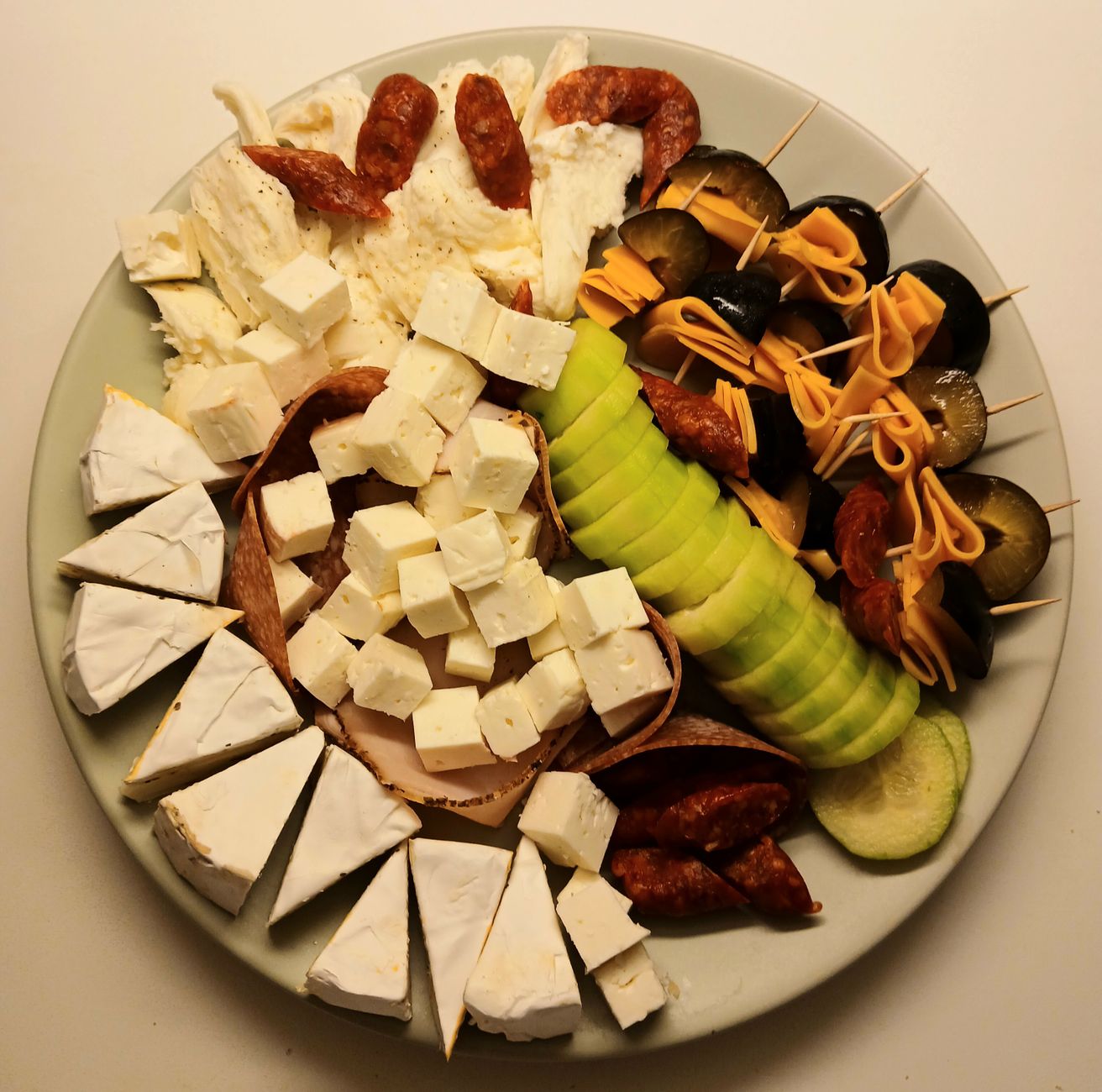
The viral phenomenon known across social media platforms as girl dinner has transformed from a lighthearted viral joke into a major topic of discussion within food service market research. Originating on TikTok, the term refers to an informal meal assembled from odds and ends found in the refrigerator or pantry. A typical presentation includes small portions of cheese, charcuterie, fruit, pickles, bread, and dips arranged on a plate or cutting board.
While the concept resembles a traditional European snack plate or a simplified charcuterie board, its cultural framing has sparked significant debate. Reporting by The Independent highlights how the trend has divided nutrition experts and general consumers alike. Supporters view the practice as an empowering, low-stress alternative to cooked meals, while critics raise concerns about nutritional adequacy and the potential normalization of restrictive eating habits.
The commercial impact of this consumer trend extends far beyond individual home kitchens. Major restaurant chains and packaged goods manufacturers have taken notice of how younger consumers approach evening dining. The preference for low-effort, highly customizable snack plates reflects broader shifts in dining behavior, labor economics, and retail food purchases. Understanding the mechanics behind this trend offers valuable insight into the future of consumer food demand.
At its core, the girl dinner trend reflects a desire for convenience and sensory variety without the labor of formal cooking. The popularity of these meals stems from their extreme flexibility, allowing individuals to mix textures, flavors, and temperatures based on immediate cravings. A single plate might combine salty cured meats, crunchy raw vegetables, creamy dairy spreads, and sweet fruit slices in arbitrary proportions.
The Independent noted in its reporting that the viral videos often showcase aesthetically pleasing arrangements that emphasize visual appeal over traditional culinary structure. This focus on presentation allows simple, inexpensive ingredients to feel elevated and special. Consumers report feeling a sense of liberation when abandoning traditional expectations regarding what constitutes a proper meal, such as a distinct protein, starch, and vegetable component.
However, nutritionists interviewed about the phenomenon caution that the dietary quality of these plates varies wildly depending on ingredient selection. While a balanced plate containing whole grains, lean proteins, fresh produce, and healthy fats can easily meet dietary guidelines, many viral examples fall short. Plates consisting primarily of high-sodium processed meats, refined crackers, and minimal vegetables can lead to nutrient deficiencies if consumed regularly as a primary evening meal.
RESTAURANT INDUSTRY RESPONSES AND MENU INNOVATION
The food service industry has recognized the economic potential of this shifting dining behavior. Casual dining establishments, wine bars, and fast-casual concepts are increasingly tailoring their menu offerings to accommodate customers seeking small-plate variety instead of large single entrees. Charcuterie boards, tinned fish selections, and customizable appetizer platters have seen increased placement on dinner menus nationwide.
This shift aligns closely with broader restaurant industry trends toward shared plates and flexible dining formats. Operators benefit from higher profit margins on small-plate items, which often feature lower labor costs and higher markup potential than complex cooked entrees. By offering curated selections of premium cheeses, cured meats, and artisanal condiments, venues can charge a premium for items that require minimal kitchen prep work.
Furthermore, retail grocers and specialty food purveyors have begun packaging products specifically designed for this assemble-at-home style of eating. Pre-portioned snack packs, specialized tinned seafood lines, and gourmet dip selections have experienced strong sales growth. Consumers are increasingly willing to pay a premium for high-quality single-serve items that allow them to build a sophisticated snack plate at a moment's notice.
The popularity of low-effort meals is directly linked to modern labor trends and time poverty among working adults. After long hours spent in offices or working remotely, many consumers report lacking the physical energy and mental bandwidth required to plan, cook, and clean up a multi-step dinner. The appeal of assembling a meal in under five minutes with zero cookware to wash is a compelling value proposition for time-strapped workers.
Economic pressure also plays a role in how consumers construct these informal meals. Rising menu prices at full-service restaurants and inflation in general grocery categories have pushed consumers to seek cost-effective ways to feed themselves. Assembling a meal from existing kitchen inventory reduces food waste and keeps per-meal costs low compared to ordering takeout or cooking complex recipes requiring specialized ingredients.
Gender dynamics also intersect with this food trend in significant ways. Historically, the burden of domestic meal planning and execution has fallen disproportionately on women. The public celebration of effortless, unscripted dining represents a rejection of traditional expectations surrounding domestic labor and culinary performance. By reframing simple snacking as a legitimate personal reward, consumers challenge long-standing cultural norms about household labor.
For everyday diners and home cooks, the key to embracing the snack-plate trend lies in striking a balance between convenience and proper nutrition. You do not need to abandon the ease of a quick assembly plate, but thoughtful ingredient selection is necessary to ensure long-term wellness. Incorporating fiber-rich vegetables, lean proteins like hard-boiled eggs or canned legumes, and whole grain crackers can easily turn a simple snack plate into a balanced, satisfying meal.
From a financial perspective, adopting a structured approach to snack dining can help stretch your weekly grocery budget. Inventorying your pantry and refrigerator for usable odds and ends before buying new ingredients minimizes waste and lowers your average meal cost. Paying attention to portion sizes and sodium levels in processed convenience foods will allow you to enjoy the physical and mental relief of zero-cook evenings without sacrificing your health.
Sources and methodology
Reported from the public datasets below.
More from the Foodie Pundit Newsroom
- How Soil Health Management Is Reshaping Restaurant Supply Chains
- The Body
- UK Food Inflation Outpaces Western Europe as Grocery Budgets Face Unprecedented Strain
- GLP1 Weight Loss Drugs Alter Restaurant Menu Strategies and Consumer Cravings
- Millennial Purchasing Power Reaches Critical Mass to Reshape Retail and Restaurant Supply Chains